

AI road safety cameras flag almost 19,000 offences in trial
AI road safety cameras detected nearly 19,000 potential mobile phone and seatbelt offences during a two-week trial in the West Midlands. The results show the scale of dangerous driving on the region’s roads. They also carry a clear message for fleet operators.
How the AI road safety cameras trial worked
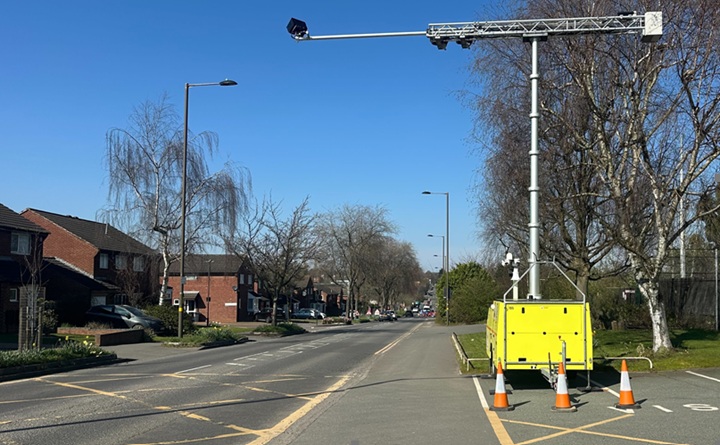
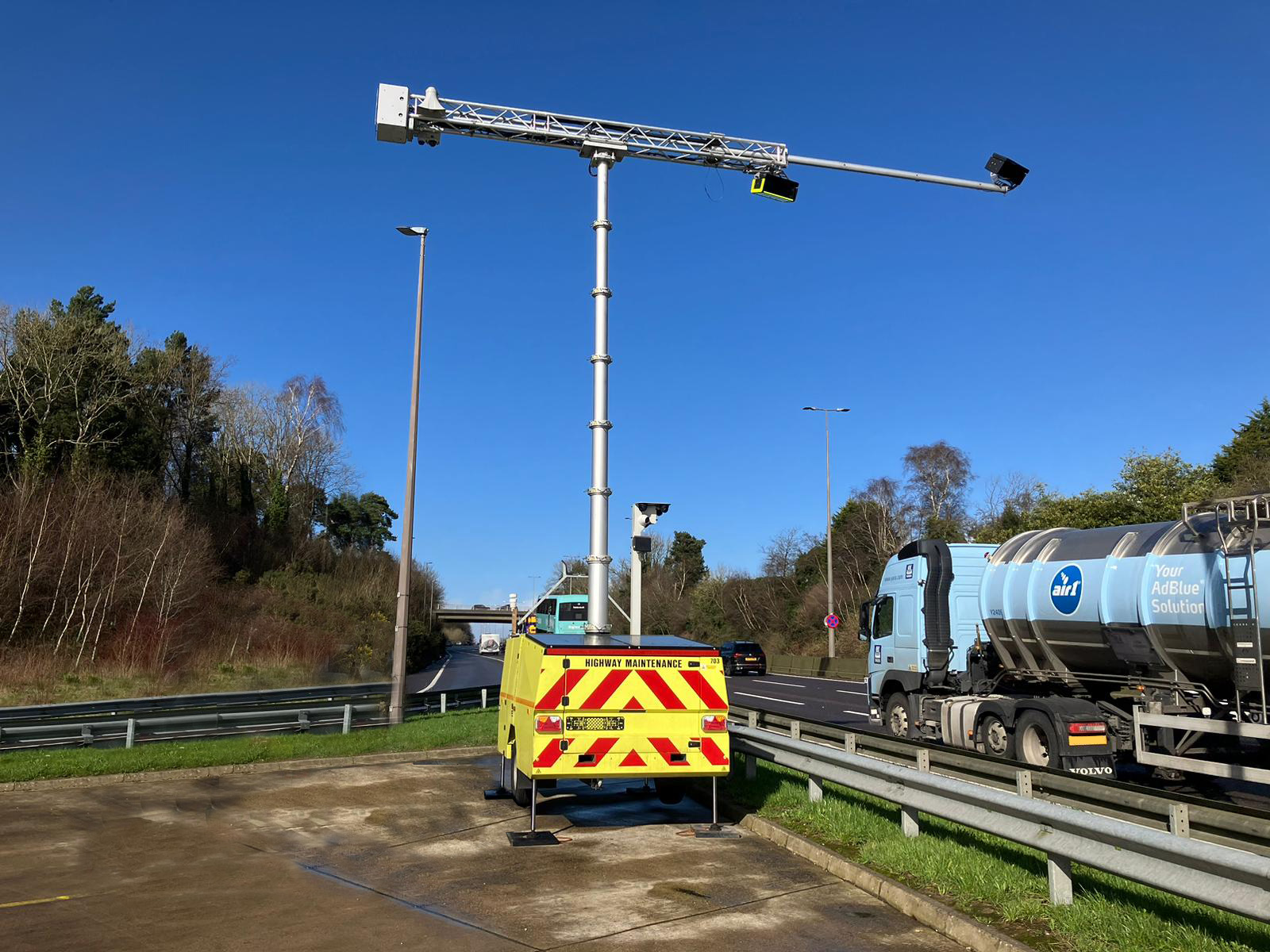
Transport for West Midlands (TfWM) ran the trial in March, using technology from road safety company Acusensus. The cameras operated outside fire stations in Birmingham and Wolverhampton. Authorities are now assessing the findings to inform possible future police enforcement.
At Ladywood fire station, the cameras identified 11,045 potential seatbelt offences and 1,163 potential mobile phone offences. At Fallings Park fire station, they flagged a further 6,030 potential seatbelt offences and 757 potential mobile phone offences. Across both sites, the system recorded 17,075 potential seatbelt offences and 1,920 potential mobile phone offences. That adds up to 18,995 detections.
The trial aimed to measure the possible scale of offending rather than to issue penalties. Officials took no enforcement action. UK-based human reviewers validated thousands of the detections.
Disturbing examples of dangerous driving
The authorities released images that show the human cost behind the figures. In one, a front-seat passenger carries a small child on their lap without a seatbelt. In another, a driver holds a mobile phone with both hands and looks at the screen.
These examples highlight the risks of failing to wear a seatbelt correctly and of using a phone at the wheel. An unrestrained child is especially vulnerable in a collision. A driver distracted by a phone may be unable to respond to hazards in time.
Geoff Collins, UK general manager of Acusensus, said: “Trial after trial tells the same story: people are continuing to ignore the law on using mobile phones at the wheel and wearing seatbelts.”
He added: “These results provide yet more evidence that this is a real road safety problem which demands serious attention. Every one of these behaviours has the potential to turn an ordinary journey into a tragedy.”
Mr Collins described the images involving children as “particularly distressing”. He said that ensuring young passengers are properly restrained “should be one of the most basic responsibilities before any journey begins”.
Could AI road safety cameras support future enforcement?
The West Midlands Combined Authority funded the trial in collaboration with police and fire services. Authorities are now evaluating the results to consider how AI road safety cameras could support future enforcement.
West Midlands Mayor Richard Parker has pledged to use available resources, including new technology, to improve road safety across the region. Police and Crime Commissioner Simon Foster said the partnership is considering how it could deploy the cameras for enforcement.
Mr Collins said the technology could help police identify potential offences “at a scale that would be impractical through conventional patrols alone”. Human review remains an essential part of the process.
He said: “But detecting the problem is only the beginning. We need to use that knowledge to support education and effective enforcement, so that putting the phone away and fastening a seatbelt become habits on every journey.”
What AI road safety cameras mean for fleet operators
Fleet managers should pay close attention to these findings. Holding a phone while driving is illegal, and drivers must wear their seatbelts. If AI road safety cameras move from trial to routine enforcement, drivers who ignore these rules will find it harder to go unnoticed. For businesses, that could mean penalty points, fines and damage to their reputation.
Employers also have a duty of care to their drivers and to other road users. Clear policies on phone use and seatbelts form a sensible starting point. Regular driver training, honest conversations about risky habits and consistent reminders can reinforce those policies. Many operators already use telematics to monitor driving behaviour, and this trial suggests that roadside technology may soon add another layer of scrutiny.
The trial covered only two locations over two weeks, yet it produced almost 19,000 detections. That figure suggests a widespread problem rather than a few isolated cases. Fleets that act now can protect their drivers, reduce their risk and prepare for a future in which AI road safety cameras play a bigger role on UK roads.


