
SparkCharge is expanding its distributed energy network into the UK, providing businesses with rapid-deployment, on-site power as grid constraints increasingly threaten the rollout of autonomous vehicle fleets and other energy-intensive operations.
The expansion extends SparkCharge’s established North American operations into a UK market where businesses are facing growing challenges in securing electricity capacity for new sites. The company says its technology is designed to provide immediate power while organisations wait for permanent grid connections, which can take years to deliver.
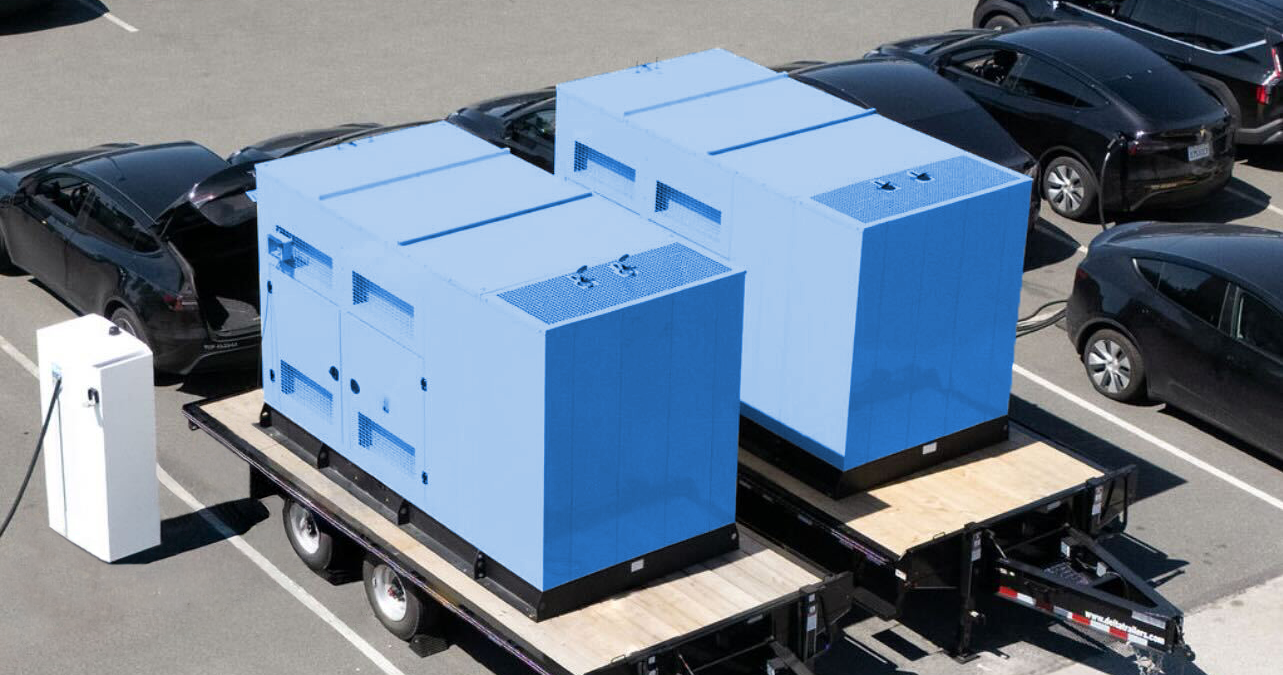
SparkCharge provides AI-optimised energy infrastructure that can be deployed in as little as seven days and operates independently of the grid. Once grid capacity becomes available, the system can integrate with the permanent connection.
The company operates through a managed energy service model, providing on-site power to businesses operating in grid-constrained environments. This is intended to allow enterprises to establish and expand operations without being constrained by utility connection and construction timescales.
SparkCharge’s UK expansion comes as businesses across sectors including autonomous vehicles, construction and industrial operations increasingly require access to electricity before permanent grid infrastructure is available.
The company says the issue reflects a wider global trend in which the pace of enterprise development is increasingly exceeding the ability of electricity networks to provide new capacity.
Autonomous vehicle fleets are one example, with operators potentially requiring substantial charging and energy infrastructure at locations where grid connections are unavailable or subject to lengthy delays.
SparkCharge says its distributed energy approach can provide an alternative by bringing power to the site rather than requiring businesses to wait for the grid to arrive.
Joshua Aviv, Founder and CEO of SparkCharge, said: “The demand for immediate, intelligent energy is a global story. Autonomous vehicle companies and enterprises across the UK are facing the same infrastructure constraints we solve every day in the US. The opportunity to bring SparkCharge’s distributed energy network to the UK is one we have been building toward for years, and we are excited for this next stage of growth.”
SparkCharge has established operations across all 50 US states as well as Canada, serving commercial fleets, autonomous vehicle operators, data centres, events and entertainment businesses, ports, railheads and other enterprise customers.
The company’s UK expansion comes as electricity demand continues to increase across multiple sectors. The rapid development of AI and data centres, combined with industrial expansion and fleet electrification, is creating additional pressure on electricity networks.
For commercial fleet operators, access to suitable power is becoming an increasingly important consideration as more businesses transition towards electric vehicles. Depot electrification can require substantial increases in electricity capacity, while securing a new grid connection can be a lengthy and complex process.
A distributed energy system could potentially provide operators with a way to begin deploying electric vehicles and associated infrastructure before a permanent grid connection becomes available.
SparkCharge says its technology is intended to provide flexibility during this transition, with its systems able to operate independently and subsequently integrate with the grid when permanent infrastructure is ready.
The company says its expansion into Britain represents the next stage in its international growth strategy and reflects increasing demand for flexible power solutions in markets where grid capacity is constrained.
James Taylor, SparkCharge’s Managing Director of UK Operations, said: “The UK is primed for portable, flexible, on-site power that can be deployed immediately and intelligently. This market expansion is evidence that SparkCharge’s role in providing power wherever enterprises need it fills a global need. We’re eager to expand our platform throughout the United Kingdom.”
The UK launch adds another potential solution for businesses facing lengthy electricity connection times, particularly those developing electric commercial vehicle fleets, autonomous vehicle operations and energy-intensive industrial sites.
As demand for electricity continues to grow, the ability to deploy temporary or flexible power infrastructure could become increasingly important for businesses seeking to maintain development schedules without waiting for traditional grid upgrades.