
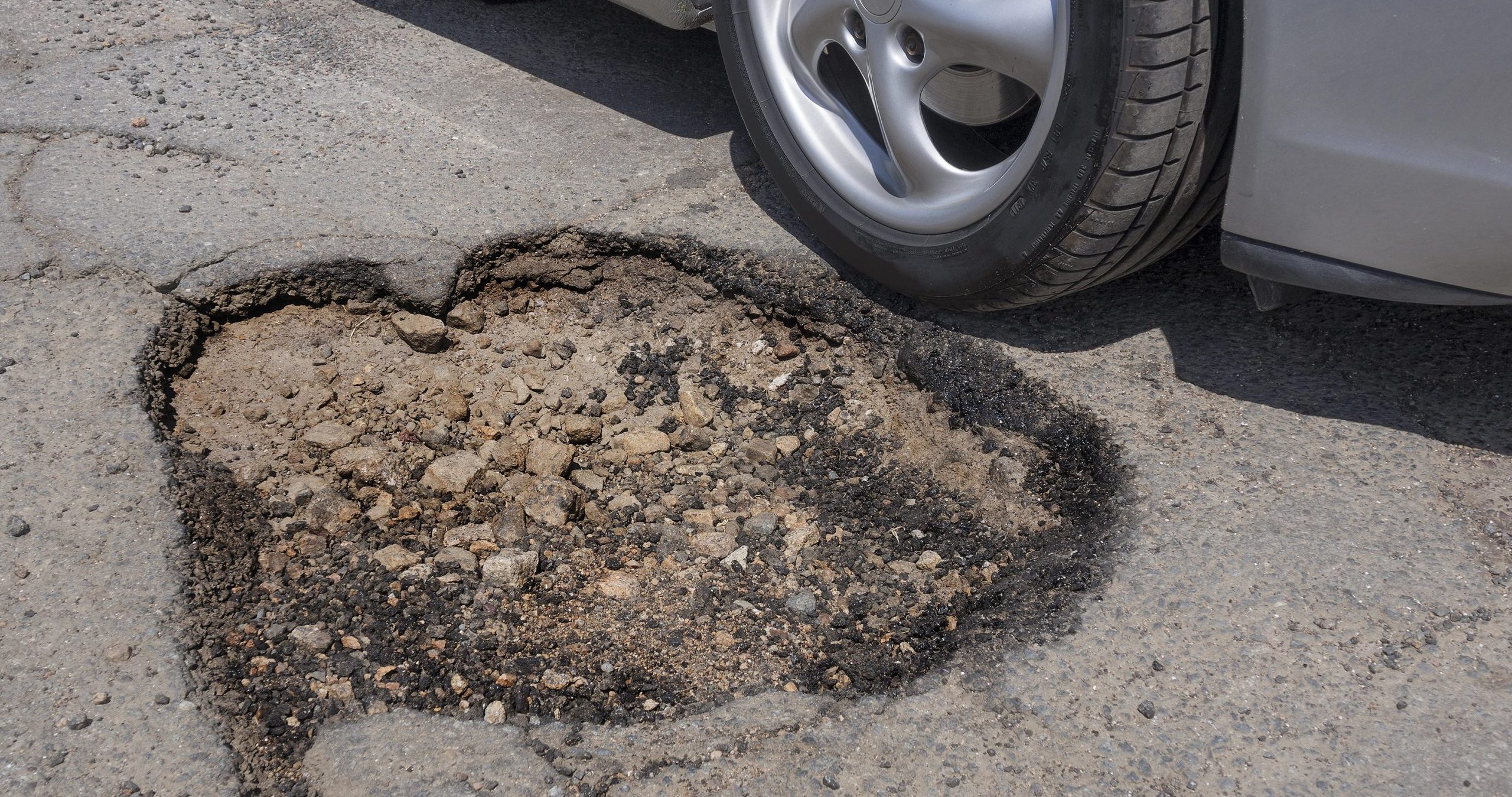
Pothole-related breakdowns rose by 15% in 2025, according to new data from the RAC Pothole Index, highlighting the ongoing crisis facing Britain’s road network.
RAC patrols attended 26,048 breakdowns last year caused by damaged shock absorbers, broken suspension springs or distorted wheels – the equivalent of 71 incidents every day. That marks an increase of 3,345 compared with 22,703 call-outs in 2024.
Quarterly Increase Adds to Concern
The final quarter of 2025 also saw a year-on-year rise. Between October and December, there were 290 more pothole-related breakdowns than during the same period in 2024 – a 6% increase.
Both the annual and quarterly figures exceeded the RAC’s long-term averages of 25,309 and 4,883 breakdowns respectively, underlining the scale of the challenge facing local authorities.
The latest statistics come shortly after the Government introduced a new ‘traffic light’ rating system designed to improve transparency around road conditions and council spending on maintenance.
Council Road Ratings Revealed
Analysis of the new ratings shows that just 17% of councils in England are currently graded ‘green’ for road conditions. A further 7% fall into the worst ‘red’ category, with the remaining majority rated ‘amber’.
When assessed on whether they are following best practice in road maintenance, only 14% of councils are classed as ‘green’, meaning they are investing effectively for the long term. More than one-in-10 (12%) are rated ‘red’, while 74% remain ‘amber’, indicating more progress is required to maximise government funding.
Only three councils – Portsmouth, Rotherham and West Berkshire – currently achieve ‘green’ status across all categories.
RAC: Progress Promising but Slow
Simon Williams, head of policy at the RAC, said: “Record levels of funding from central Government and a requirement for councils to demonstrate how they’re making best use of it – to stop potholes appearing in the first place, not just to patch them up – should spell the end of the woeful roads many drivers are sadly used to. But as our latest data shows, drivers are still breaking down in their thousands as a direct result of potholes. So, while there’s light at the end of the tunnel, it’s still a frustratingly long way off.
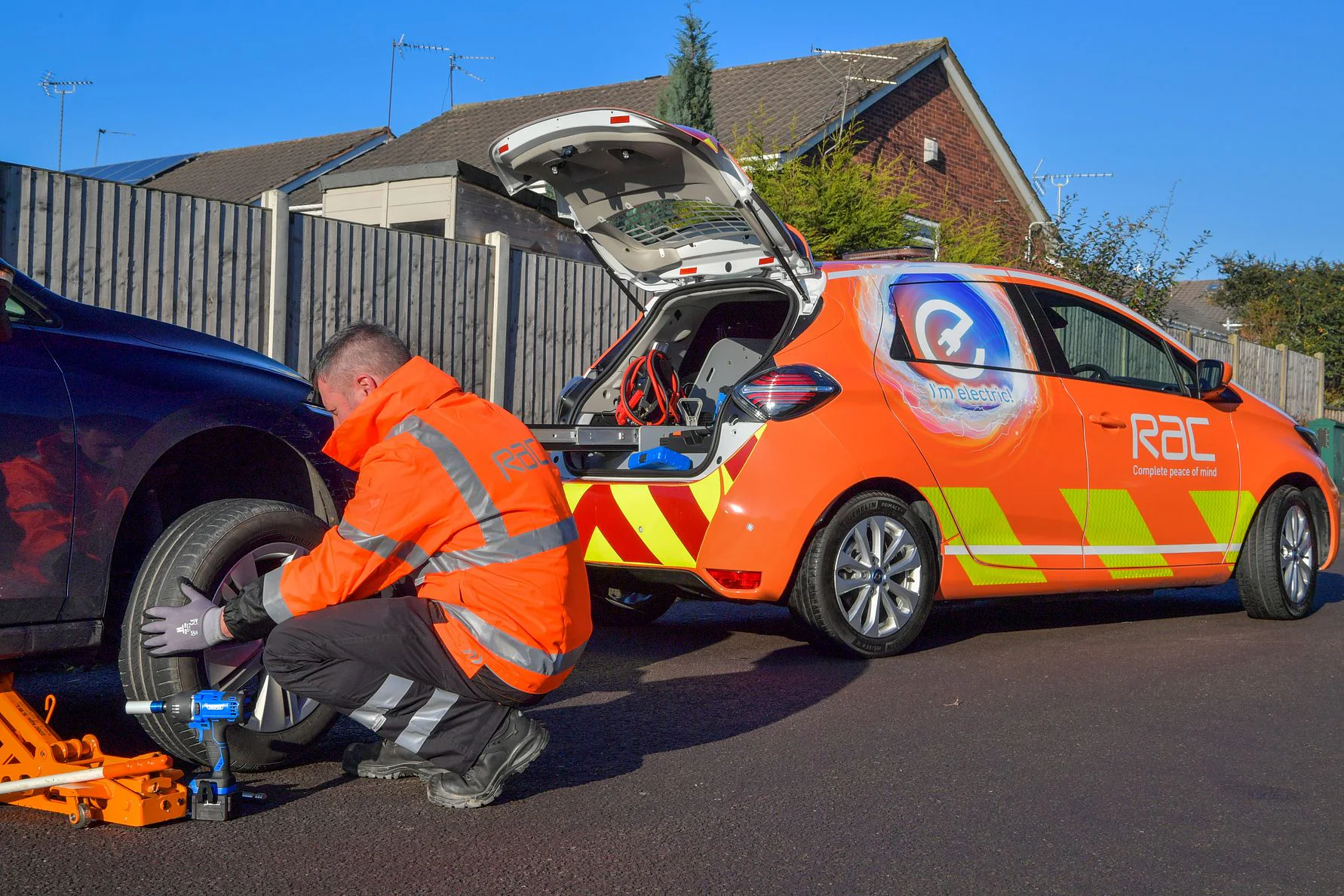
Image: RAC Media
“The effects of the country’s cold spell at the end of December and into the New Year also remain to be seen when it comes to our failing highways. Wet roads, followed by snow and ice, are the ideal conditions for potholes to form – especially on roads that haven’t had preventative maintenance.
“But it’s not all doom and gloom. After years of campaigning, we’re extremely pleased the Government has listened to us – and major voices within the road maintenance industry – by now demanding local authorities use techniques like surface dressing to keep their roads in a better condition for longer.
“The route to smoother driving surfaces is surprisingly simple: ensure water always drains off the roads, fix potholes as permanently as possible, seal roads against water ingress through preventative maintenance, and resurface those that have gone beyond the point of no return.”
The Cost of Pothole Damage
The RAC estimates that repairing pothole damage to a typical family car can cost up to £590 for issues more serious than a simple puncture. Common repairs include suspension spring replacements, wheel realignment and shock absorber fixes.
For drivers affected, the RAC’s nationwide mobile servicing and repairs team can often carry out suspension spring replacements at home or at work, reducing the need for a garage visit.
Long-Term Prevention Urged
Mike Hansford, chief executive of the Road Surface Treatments Association, stressed the importance of preventative maintenance: “If we had continued to surface dress even at levels experienced in 2012, we would have sealed approximately 37,000kms of additional roads (almost 10% of the UK road network) for another 10 to 15 years, making more of the network more resistant to the sort of damage that leads to potholes.
“The recent cold and then very wet spells of weather have highlighted the fragility of the road network, so it’s important that while the immediate safety issues associated with potholes are managed, we must also focus on longer term repair solutions – including preventative treatments to roads currently in a good or fair condition to protect them from future damage.”
Britain’s Pothole Problem Persists
While increased funding and greater accountability for councils offer hope of long-term improvements, the 2025 data confirms that thousands of motorists are still paying the price for deteriorating roads.
With winter weather known to accelerate pothole formation, industry leaders warn that without sustained investment in preventative maintenance, breakdown figures could remain stubbornly high in the years ahead.
* The RAC Pothole Index is a 12-month rolling measure of the share of pothole fault breakdowns compared to 2006, corrected for seasonal weather effects and improving longer term vehicle reliability. Data has been collected by the RAC since 2006. Data deliberately excludes punctures as the source of these could be something unrelated to road standard (for instance, the presence of nails and screws)
** Average pothole-related breakdown volumes since 2006