
Alan Able interview: Isuzu doubles down on the working pickup
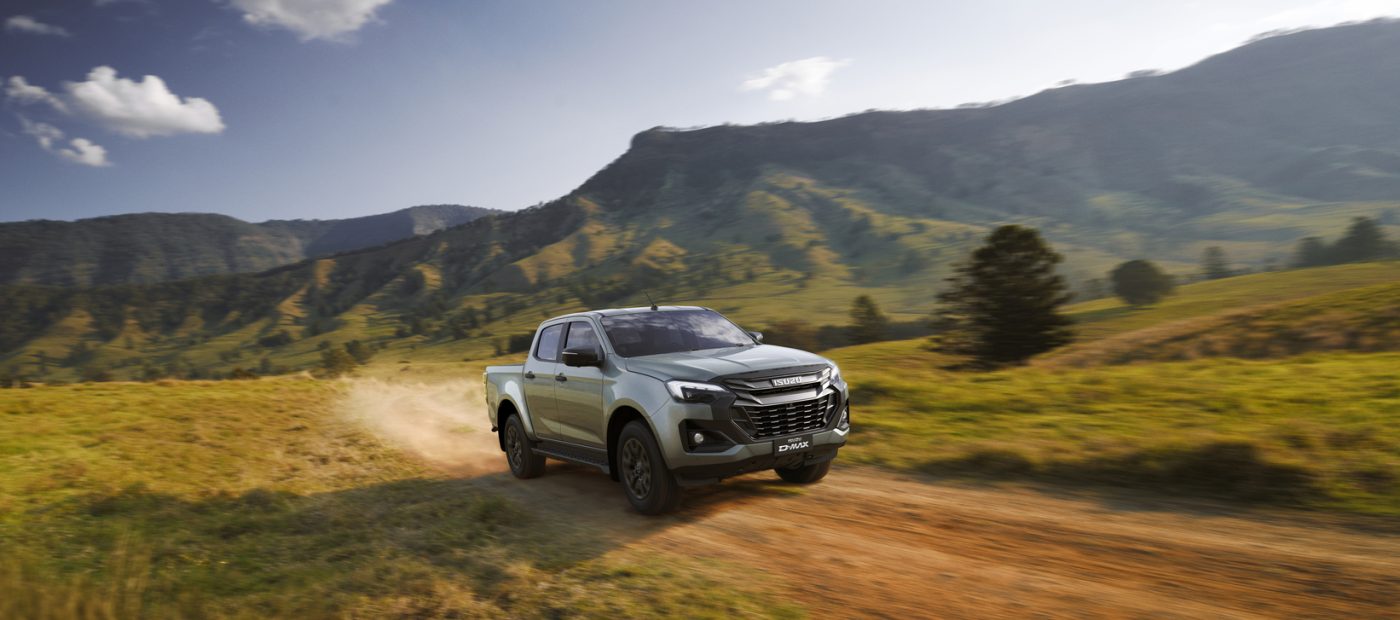
At a recent demonstration day for the new D-Max 2.2 diesel, Best Diesel Double Cab Pick-up 2026 awarded by Diesel & Eco Car magazine, Isuzu UK Managing Director Alan Able told Fleetpoint why the brand is backing both diesel and electric, and why the working pickup still has a long future.
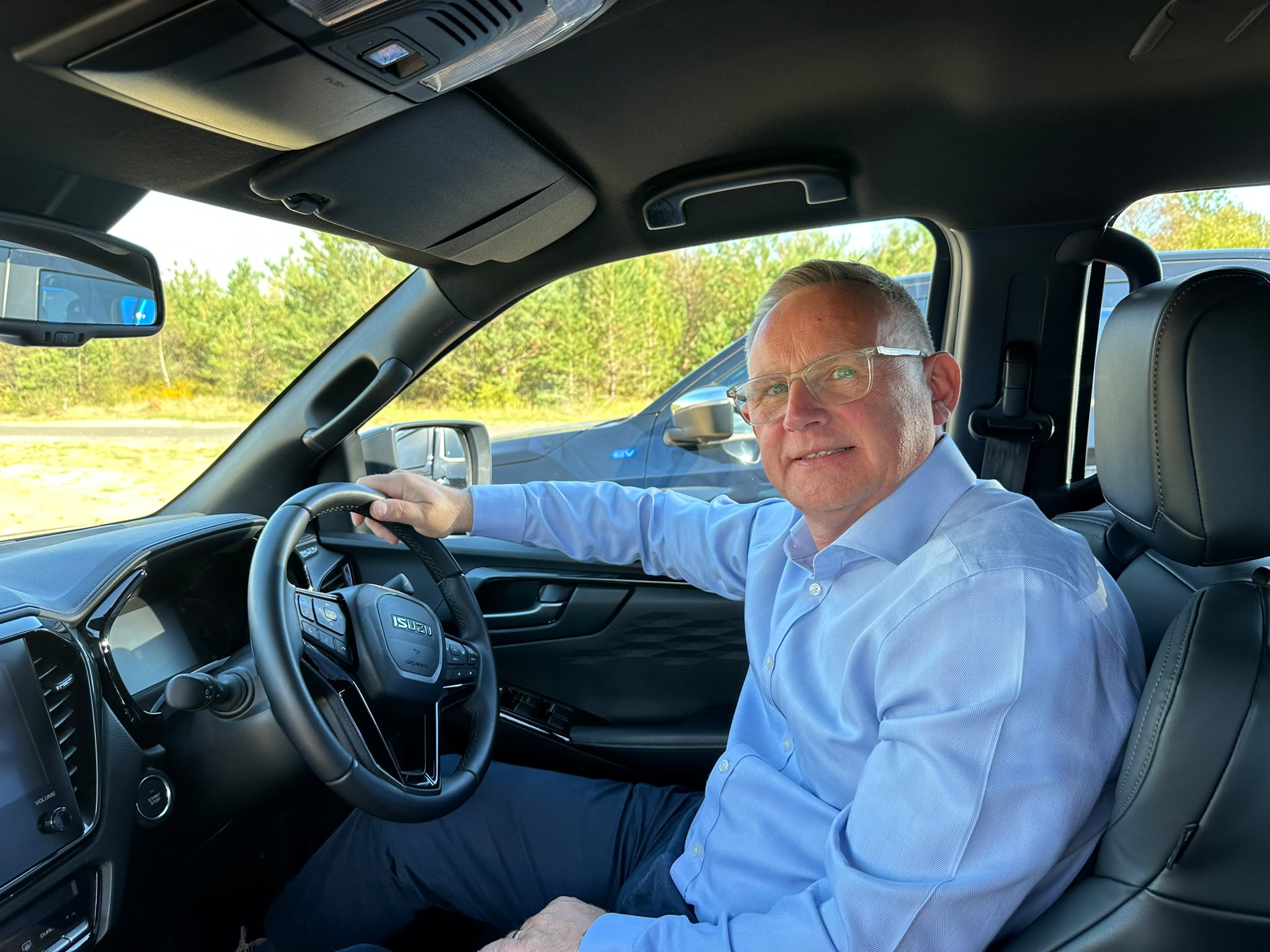
With the UK fleet market moving fast towards zero emissions, launching an all-new diesel engine might look like a step backwards. Isuzu does not see it that way. At the D-Max 2.2 launch day, the new diesel shared the stage with the D-Max EV, the brand’s fully electric 4×4 commercial pickup.
Fleetpoint co-editor Ian Smith sat down with Alan Able to ask the questions fleet managers are asking. Why a new diesel now? Who is buying the EV? And what does the new BiK regime mean for the double cab?
Why a new diesel when the EV is already here?
Alan was clear that the decision reflects a global view from Isuzu in Japan, not just the European market. “They still see a foreseeable future for diesel around the globe,” he said. “There’s a huge market in Asia and in Australia as well as Europe.”
The outgoing 1.9-litre engine had also reached the end of the road. It had little development headroom left to keep it compliant with Euro 6 and Euro 7. That gave Isuzu’s engineers the chance to go back to the drawing board.
“They’ve developed something new that delivers the same or better performance than the 1.9,” Alan explained, “but also gives them the opportunity to keep improving that engine for years to come.” He expects an engine timeline of around ten years. “A lot of the globe is focusing on net zero, but I think there’s still going to be a place in commercial vehicles for diesel for some time to come.”
On the D Max diesel test drive, the new unit made its case. After a run of electric launches, it was a pleasure to feel the pull of a proper diesel again.
Who is buying the D-Max EV?
The electric D-Max has not so much opened new doors as given existing pickup users a new option. “The type of customers that need a pickup are the type of customers we’re seeing enquiring, test driving and in some cases buying EV,” Alan said.
The common thread is environmental targets. Companies with EV credentials to meet, who already run diesel 4×4 pickups, are putting the D-Max EV through its paces. “If it works for them in terms of towing, payload capability, range and charging speed, then in a lot of cases it becomes a viable proposition.”
BiK and the double cab: “a sledgehammer to crack a nut”
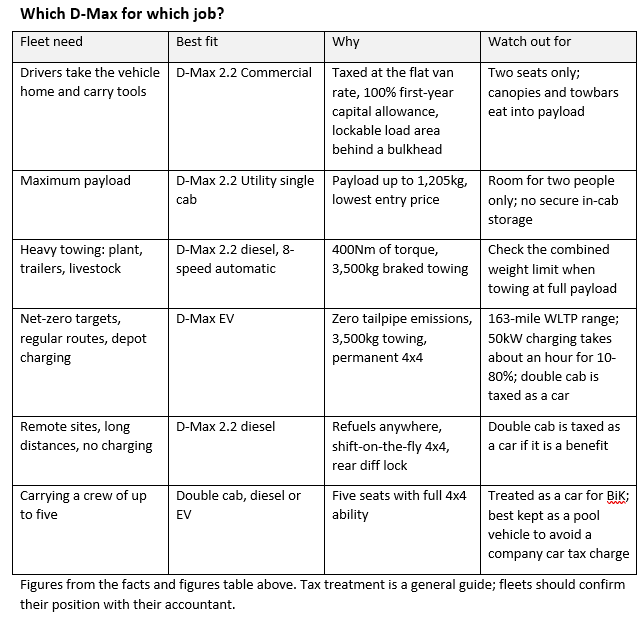
The change that treats double cab pickups as cars for Benefit-in-Kind has hit small businesses hard. Alan did not hide his view of it. “It’s a sledgehammer to crack a nut,” he said. “If it’s an extended or double cab, it’s now a car.”
The problem, he argued, is that many small firms buy a pickup for genuine work. They need cab space to lock away expensive tools. “Nobody wants to put expensive tools in the back. You can break into a canopy fairly easily.”
Isuzu’s answer is a commercial range in both extended cab and double cab form. Alan and the Isuzu team showed off the extended cab variant in the metal for the first time at the launch. It is still a working prototype, but “pretty much the finished article”. He pointed to rival manufacturers following the same route as proof that commercial variants will be an important part of the pickup sector.
CLICK HERE for our youtube snippet for the vehicle
Residual values: proving the case
Residuals are always a key question for fleet buyers, and for a new electric pickup there is little history to go on. Isuzu has been talking to CAP about D-Max EV residuals for more than a year, since the left-hand drive version was introduced, and has invited them to product days.
Alan accepts that early values will be cautious. “When something’s new, anybody that sticks their neck out and sets a particularly high residual value is going to be open to question,” he said.
Isuzu’s job, in his words, is to show that “if you want an EV 4×4 pickup that is genuinely going to do a working job, then the D-Max at the moment, and maybe for some time to come, will be the only credible option.” As more vehicles reach customers and sentiment builds, he expects residuals to improve naturally.
A dealer network that understands downtime
Isuzu’s network is smaller than those of Toyota or Ford, and Alan acknowledged it. But the brand’s 80 dedicated sales and after-sales centers have a different character. “They’re not car dealerships that have a pickup in their range,” he said. “The vast majority are commercially focused operators.”
That matters most when a vehicle is off the road. Isuzu dealers understand that downtime is what costs a working customer money. Where a repair is needed, they aim to provide a practical loan vehicle rather than a small hatchback. “Our network of Isuzu specialists means customers shouldn’t be concerned that, they like the truck and it does everything, but what if they have a problem?”
Fleet strategy: majoring on the working truck
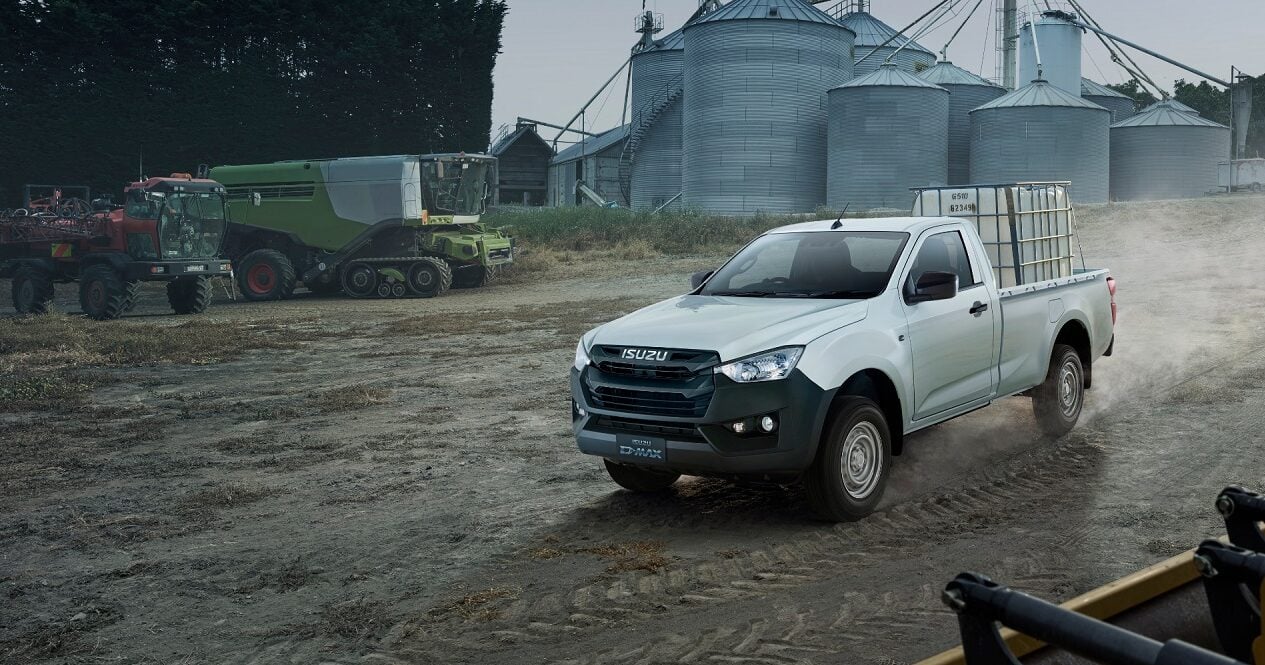
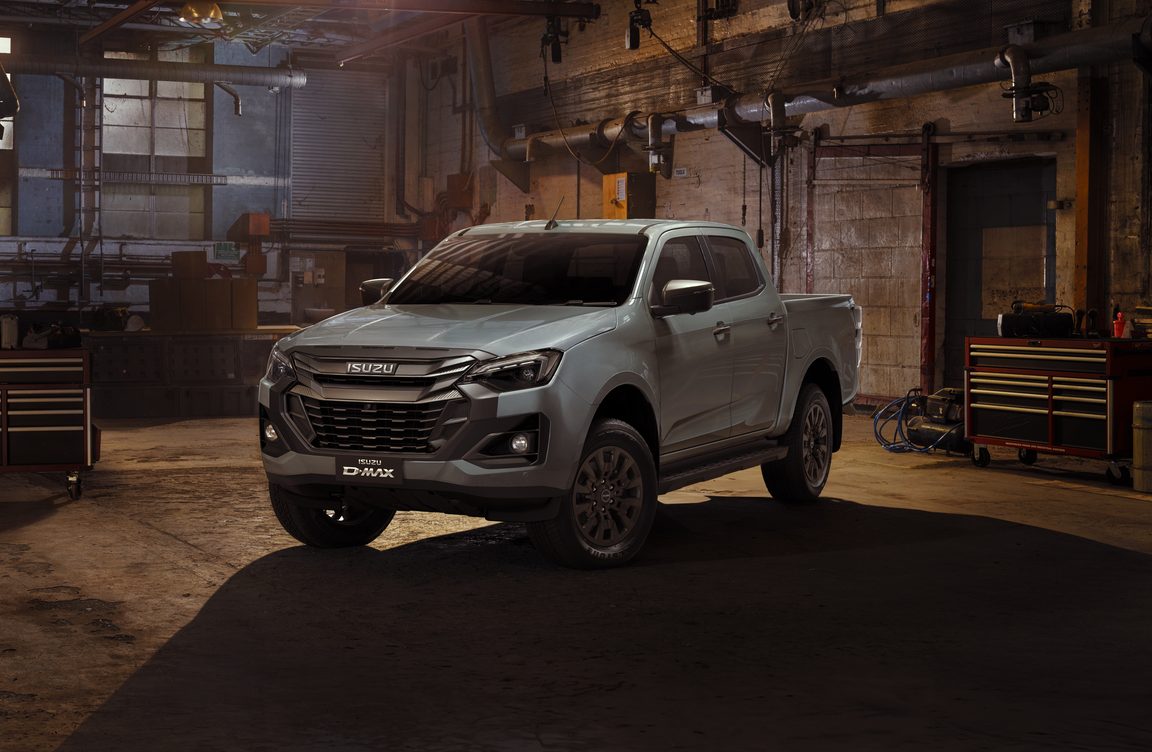
The ZEV mandate and the BiK changes have shifted the landscape for pickups, and Alan was candid about where Isuzu wins. The V-Cross is a fantastic product he said; and challenges the best in class as a lifestyle vehicle. Isuzu’s strength is the working end of the range: single cab and extended cab 4x4s and the lower-grade models bought for function over luxury.
“As a brand, we need to major on that,” he said. Isuzu claims the widest range in the sector, from single cab 4×4 to extended cab and double cab, now with commercial versions of both. “Even if a lot of lifestyle customers move away to EV SUVs, the core working customer will still look to buy a 4×4 pickup. Whether that’s single, extended or double, we’ve got the product for them.”
Taking on the competition
With other brands now moving forward with their EV pickup options, Fleetpoint asked whether Isuzu is targeting its rival’s loyal customers. Alan expects diesel loyalty to hold, and some EV loyalty too. But he sees an opening with large fleets that must meet environmental targets by a set date.
Many fleet managers held off when the D-Max EV was announced a year ago, waiting to see the alternatives. “Now everybody’s shown their cards,” he said, citing conversations with existing customers. “With both a diesel and an electric option on the table, Isuzu is giving our customers real choice going forward.”
He insists Isuzu is not deliberately gunning for the competition. “We’ve demonstrated as a brand that it is possible” to build an EV pickup that does the diesel’s job. “We may well, naturally see some Toyota and Ford customers migrate across, particularly the larger fleets with a corporate strategy to move to net zero.”
For fleets, the message from the D-Max launch is simple. Isuzu offers a choice, and whether the fuel is diesel or electric, the truck is built for work.
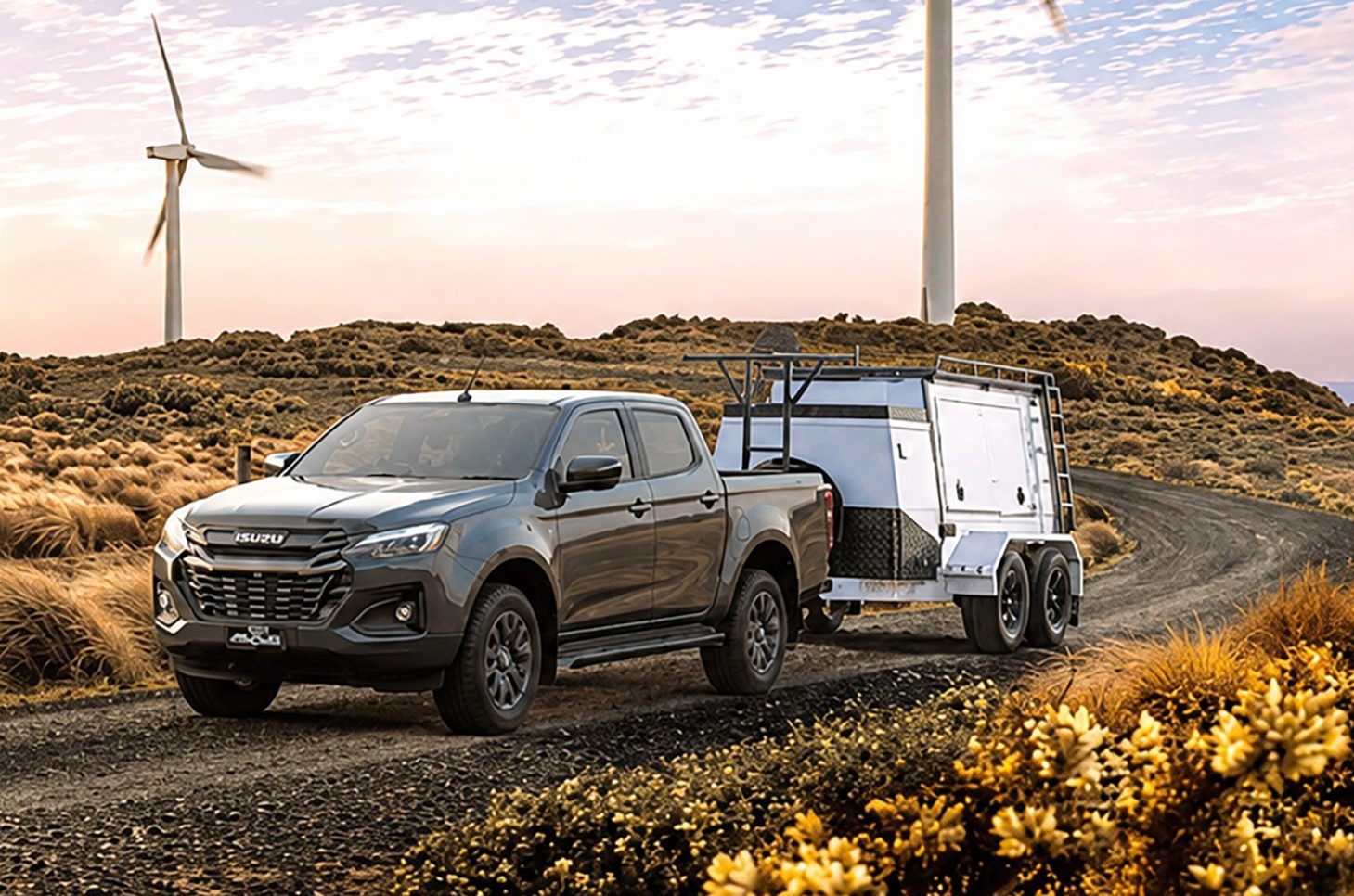
First UK look: the D-Max Commercial
The launch day also gave Fleetpoint the first UK look at the D-Max Commercial. It is a converted double cab: the rear seats are removed and a permanent bulkhead is fitted, turning the back of the cab into a secure, lockable load area. It has a hard-wearing phenolic floor and darkened rear windows to keep tools out of sight.
The conversion is available across the DL20, DL40 and V-Cross grades. It is priced from £34,745 CVOTR, the commercial on-the-road price excluding VAT, so compare it with ex-VAT double cab prices rather than VAT-inclusive car prices.
Click here to view our snippet of the rear load area
Why it matters to fleet managers
Since April 2025, double cab pickups have been taxed as cars. HMRC classes a vehicle by what it is mainly built for. With the rear seats gone and a permanent bulkhead in place, the D-Max Commercial is built to carry goods, which puts it back on the van side of the rule.
One word of caution on accessories. A canopy, bedliner or towbar all add weight and eat into a payload of just over a tonne. That does not affect the vehicle’s van status, because the conversion is what qualifies it, not the payload. But fleets that need to carry a full tonne should check the numbers before they spec the truck.
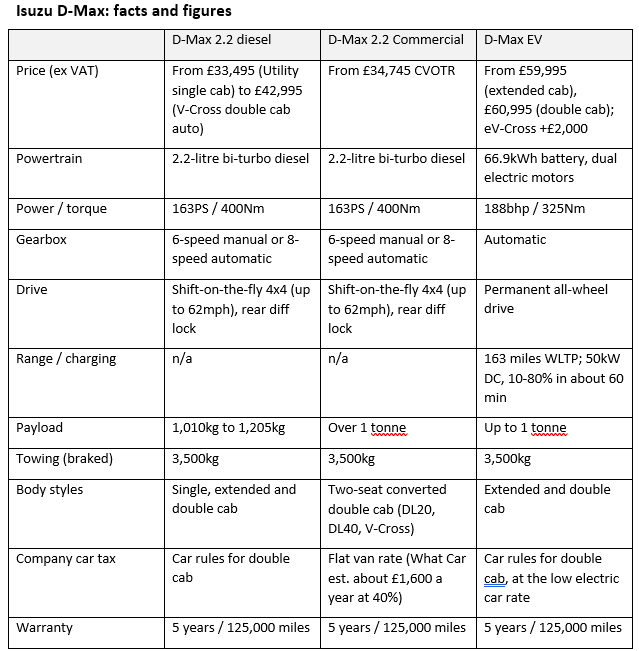
Sources: Professional Pickup, SMMT, Autotrader, Electrifying.com.