
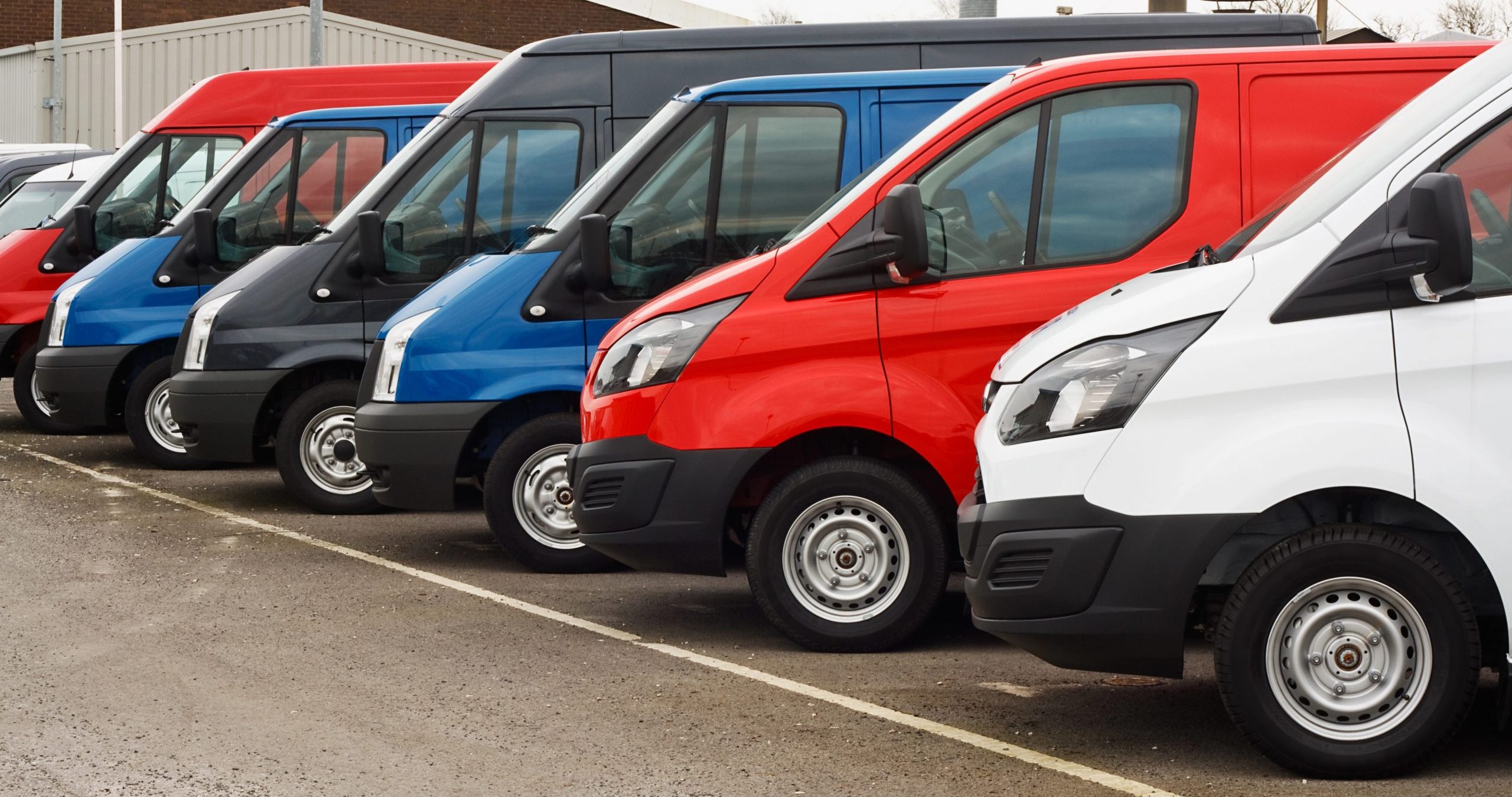
Van fleet compliance is increasingly resembling that of HGV operations as new legislation places greater legal and operational responsibilities on light commercial vehicle (LCV) operators, according to Arval.
The fleet leasing and mobility specialist says a wave of regulatory changes means many businesses can no longer treat vans as lower-risk fleet assets. New rules covering MOT testing, drivers’ hours and tachograph requirements are increasing compliance obligations for van fleets across the UK and Europe.
Eddie Parker, LCV consultant at Arval, said: “Businesses which have historically treated vans as lower-risk fleet assets could now face growing legal and operational exposure.
“For many, the issue is not simply compliance with individual rule changes. Rather it is whether their existing fleet governance, policies and procedures have kept pace with how regulators and enforcement authorities are increasingly viewing van operations.”
One of the biggest areas of change affects 4.25-tonne electric vans, which many fleets are adopting as replacements for 3.5-tonne diesel models. While recent UK legislation means these vehicles are no longer subject to tachograph requirements or first-year MOT testing, they must comply with new DVSA heavy vehicle testing rules introduced during January and February 2026.
The updated requirements apply to all vehicles over 3.5 tonnes and include Advanced Driver Assistance Systems (ADAS) visual inspection checks, digital PG10 prohibition clearance notices, revised plating certificate procedures and, for passenger service vehicles, mandatory door safety testing.
Meanwhile, newly registered goods vehicles weighing more than 2.5 tonnes and used internationally for hire or reward must now be fitted with smart tachographs under the final phase of the EU Mobility Package, which came into force this month.
Parker said the increased regulatory focus reflects the road safety risks associated with light commercial vehicles. Citing figures from the International Road Union, he noted that commercial vehicles are involved in almost one in five road collisions and around one in three road fatalities.
“We’re seeing a broader trend towards increased data capture, standardisation and evidential scrutiny across all commercial vehicle operations. Because of this, the distinction between ‘van fleet’ and a truck-style ‘regulated transport operation’ is becoming increasingly blurred.”
According to Arval, many organisations face their greatest risk not from the regulations themselves but from outdated internal governance.
“HGVs operate within compliance structures that include transport managers, maintenance controls, fatigue management, driver training records and formal incident procedures. Vans often don’t, which can create an evidential problem if a serious incident occurs.”
Parker said many van operators have policies covering fatigue, mobile phone use and daily vehicle checks, but may struggle to demonstrate how those policies are enforced, how training is delivered, whether drivers understand their responsibilities or how managers respond when issues arise.
“Those issues become critical once police, enforcement authorities or the Health and Safety Executive begin investigations into not just the collision itself, but the wider corporate systems surrounding it. There is a risk that internal governance has not evolved at the same pace as the new regulatory expectations. In the most serious cases, directors and senior managers could face personal scrutiny and can be found legally liable.”
He added that fleet operators should now review whether incident procedures are regularly tested, management responsibilities are clearly defined and compliance systems are robust enough to withstand regulatory scrutiny.
“The regulatory direction of travel is becoming clear. Although van fleets are unlikely to face the same oversight as HGV operators in the immediate future, the gap between the two is narrowing. At Arval, we are finding ourselves involved in more and more conversations about this shift and are advising many fleets on how to adapt to an evolving situation.”