
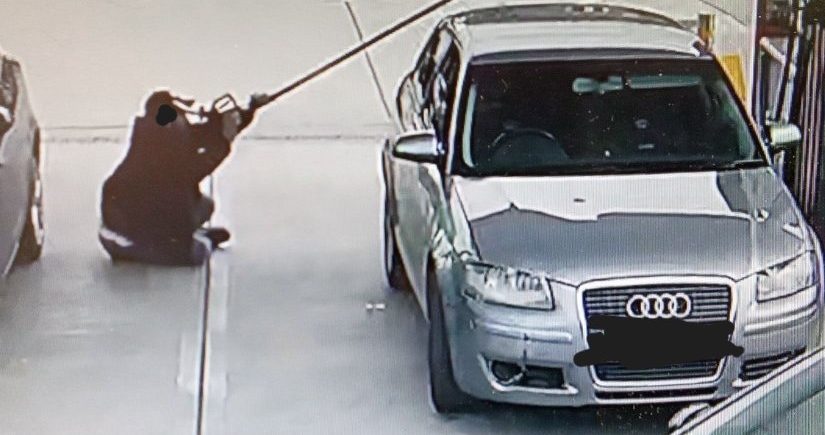
A new type of penalty charge notice (PCN) appears to have emerged and is being sent to members of the Association of Fleet Professionals (AFP).
Issued by a company called Forecourt Eye, the PCNs are being used to recover amounts owed when a company vehicle drives away without paying for fuel.
Paul Hollick, of the Association of Fleet Professionals, said several members of the industry body had reported receiving PCNs of this type in recent months.
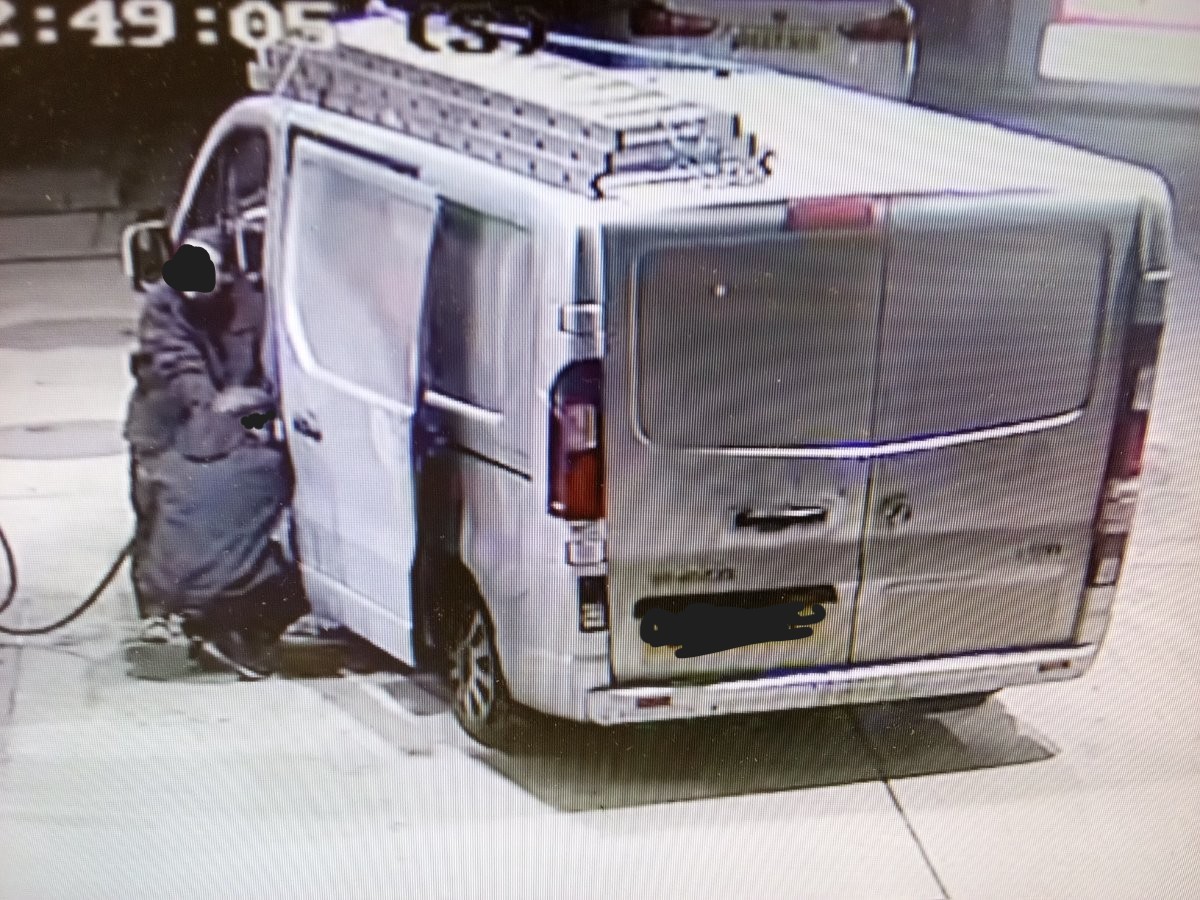
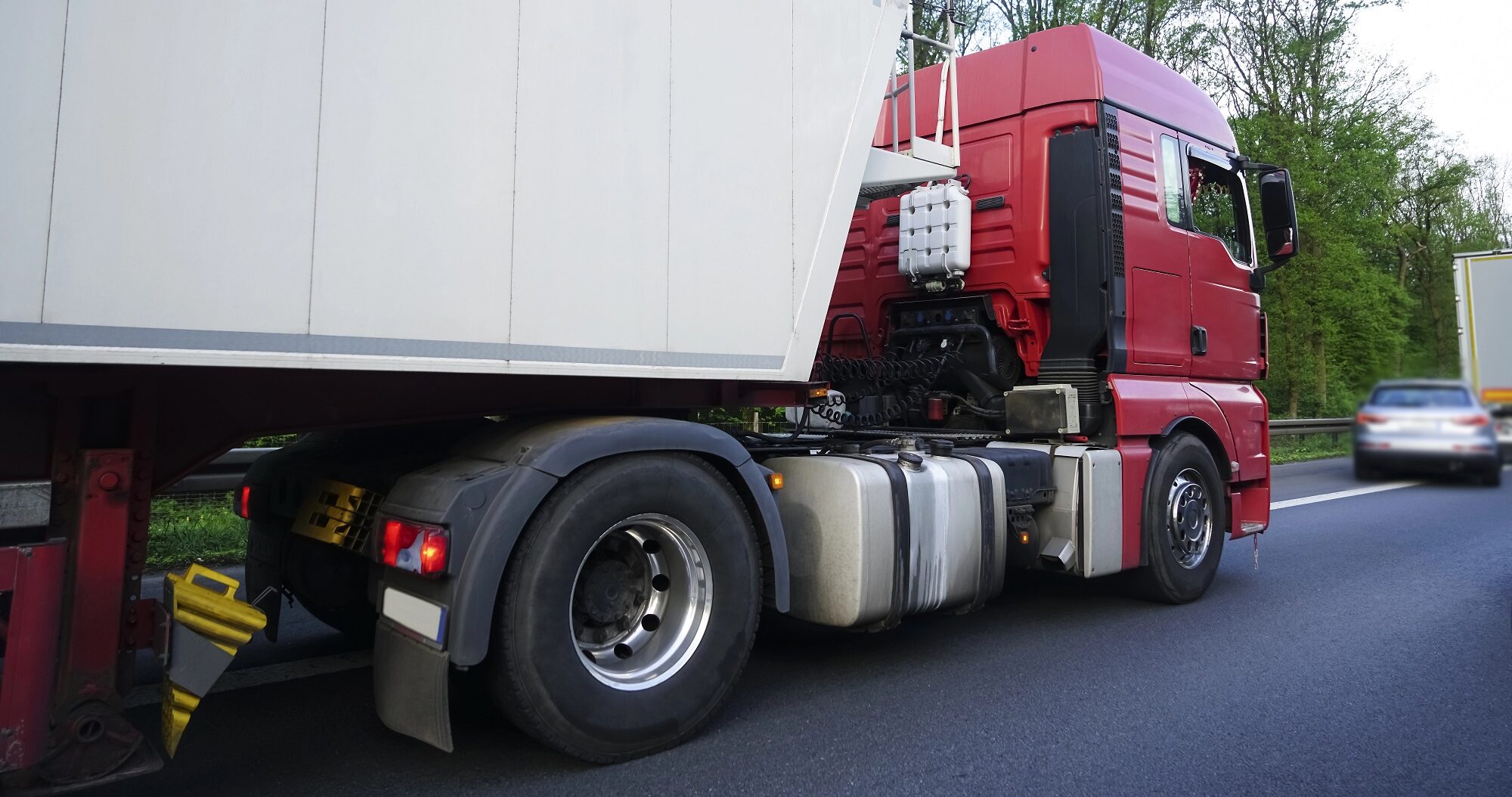
Concealed container van drive off (April2026). Image: Forecourt Eye
“Traditionally, accidental drive-aways of this kind have been dealt with using something called a ‘no means to pay’ (NMTP) notice, which normally takes the form of a letter from the fuel station operator stating you need to pay within seven days. It’s essentially an invoice and fleets have been happily paying them for years without any issues.
“However, we’ve started seeing these PCNs in the last 3-6 months, which use the same kind of approach as private parking operators. It’s an unwelcome development and we’re looking into the legality of whether this tactic can even be applied to fuel.”
Lee Jackson, a member of the AFP’s megafleet committee and group fleet manager at NG Bailey, said: “It appears that fuel stations are increasingly using Forecourt Eye to outsource the recovery of these debt payments, which is perhaps an understandable move. Dealing with drive-aways is no doubt a pain for them.
“However, this is bad for fleets. A PCN differs from a NMTP because it is a fine with statutory force, plus there is an administration fee of £20 added. At a time when many fleet managers are dealing with huge amounts of PCNs, it’s an unwelcome additional administrative burden.”
AFP member Patricia Latham, fleet operations manager at Openreach, said that she had received several PCNs where the Automatic Number Plate Recognition (ANPR) has misread the registration or vehicle fraud is occurring with a false plate.
“In these instances, the PCN will be withdrawn if you can provide Forecourt Eye with a police crime number, but this is quite a lot of work and the process is far from easy to operate.”
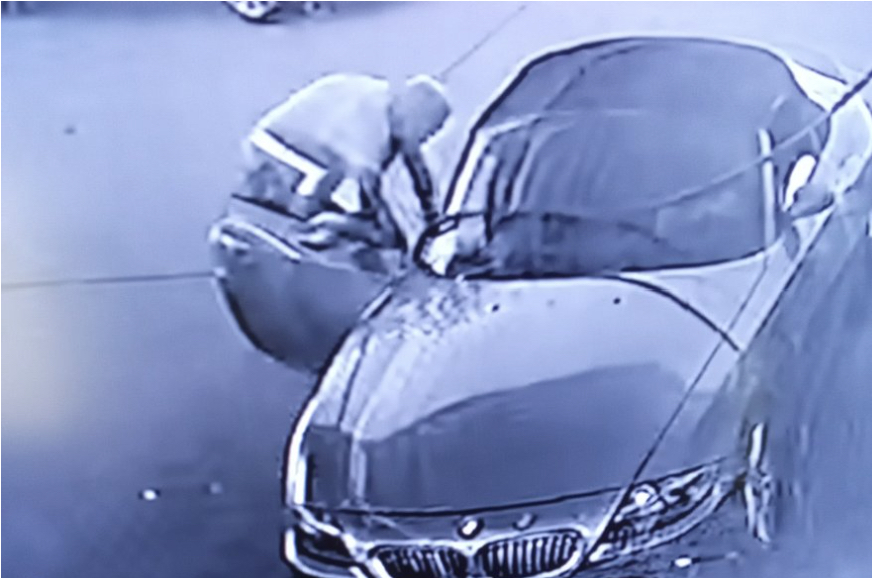
Individual filling containerImage: Forecourt Eye
Emma Evans, also an AFP member and fleet lead at Galliford Try, said she had seen similar problems: “The system they use is not failsafe and we have had vehicles misidentified.”
The issue was being monitored by the AFP, Paul said, and the organisation would like to hear from other fleets who were experiencing issues with Forecourt Eye.
“We’re keen to build up a picture of what is happening here and how it affects our members and other vehicle operators so that we can support them accordingly.”
Forecourt Eye said the statement contains a number of factual inaccuracies and is inviting the organisation to meet to discuss the issues raised by its members.
The discussion comes at a time when unpaid fuel continues to place growing financial pressure on UK forecourt operators.
Forecourt Eye’s latest analysis shows unpaid fuel incidents have increased by 21% over the past four months, while the value of fuel taken has risen by 48%, underlining the importance of retailers being able to recover legitimate unpaid fuel debts fairly and efficiently.
Forecourt Eye’s analysis of fuel crime since fuel prices surged earlier this year, which has been widely reported by the trade media, indicates that around 1.5 million fuel theft and non-payment incidents are expected to occur across UK forecourts this year, costing operators an estimated £100 million.
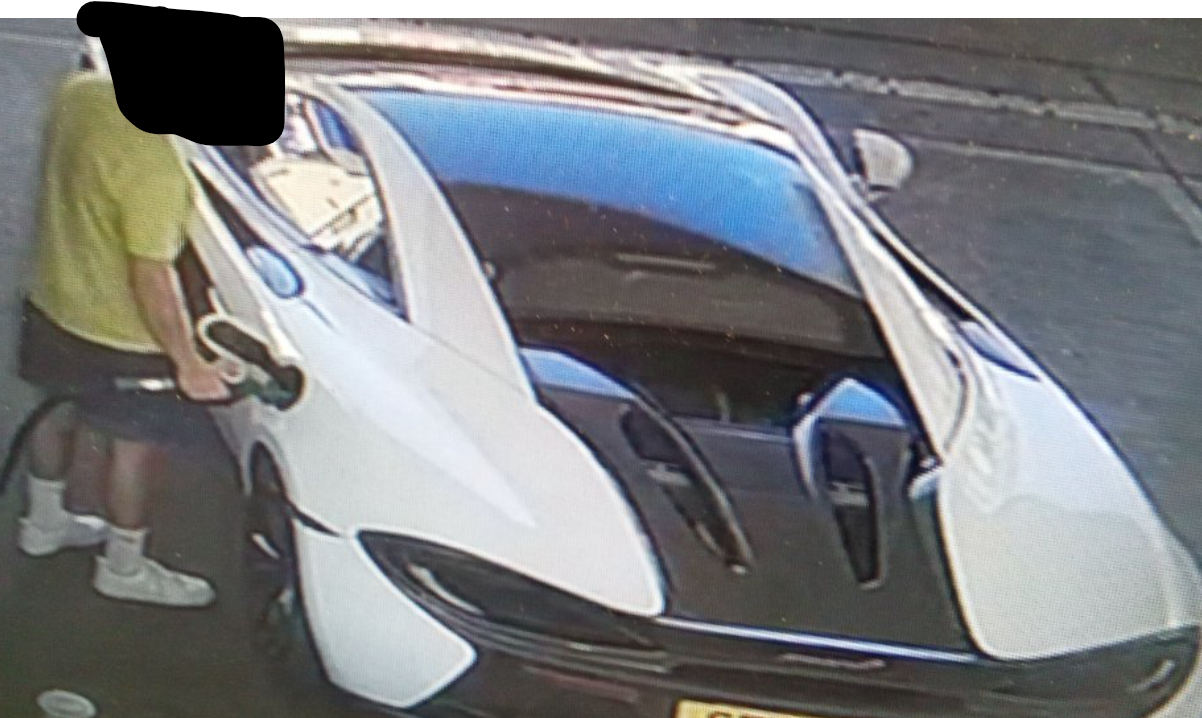
Mclaren drive off. Image: Forecourt Eye
Michelle Henchoz, Managing Director of Forecourt Eye, said: “We would have welcomed the opportunity to discuss these matters with the Association of Fleet Professionals before its statement was issued because it contains a number of factual inaccuracies about Forecourt Eye and our services.
“Fuel crime is continuing to increase across the UK and retailers are facing growing financial losses, which makes it all the more important that there is a clear understanding of how unpaid fuel recovery actually works.”
Forecourt Eye said it was important to clarify that it does not issue Penalty Charge Notices (PCNs), contrary to claims made in the AFP statement.
“Forecourt Eye does not issue Penalty Charge Notices, nor do we operate under any statutory penalty regime,” Henchoz explained.
She added: “Referring to our correspondence as ‘PCNs’ with statutory force is factually incorrect and conflates ordinary civil debt recovery with private parking enforcement, which is a completely different legal process.
“When fuel is dispensed into a vehicle, the driver enters into a contract with the forecourt operator to pay for that fuel.
“Where payment is not made, the outstanding amount is pursued as a civil debt on behalf of the retailer, together with an administration fee that reflects the cost of recovering that debt.”
The company also said it was important to distinguish between No Means of Payment (NMoP) incidents and Drive Offs, following suggestions that the two are interchangeable.
An NMoP incident occurs where a customer informs forecourt staff before leaving the forecourt that they are unable to pay and arrangements are made to recover the outstanding balance.
A Drive Off, where a driver leaves without making any declaration or attempting payment, cannot be dealt with through the NMoP process.
Forecourt Eye also rejected suggestions that Automatic Number Plate Recognition (ANPR) technology automatically results in debt recovery correspondence being issued.
Henchoz said: “Every unpaid fuel case begins with a report from forecourt staff that fuel has been dispensed and not paid for. ANPR technology does not determine whether correspondence is issued; it is simply one of the tools used to help identify the vehicle involved in a previously reported unpaid incident.”
Responding to concerns raised by fleet operators, Forecourt Eye said it shared the objective of resolving genuine disputes quickly while reducing unnecessary administration wherever possible.
Henchoz commented: “We recognise that fleet operators want genuine mistakes resolved quickly and efficiently, and we share that objective. We’d be delighted to establish direct relationships with fleet operators to help reduce administration wherever possible.
“We are issuing an open invite to Paul Hollick and the Association of Fleet Professionals to meet with us so we can better understand the concerns raised by their members and work together on practical solutions.
“Retailers, fleet operators and responsible motorists all benefit from a process that is transparent, proportionate and fair.”