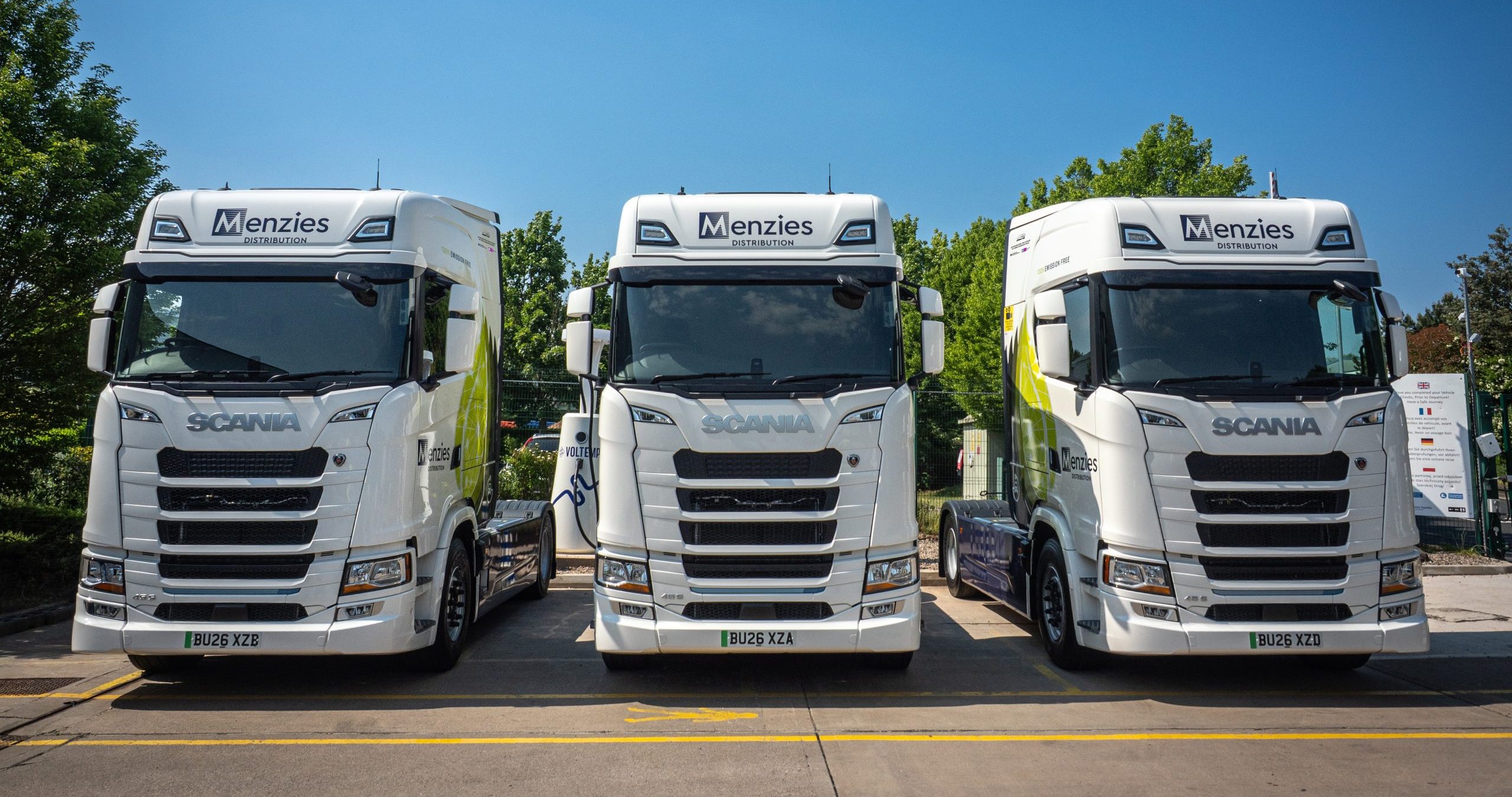

Nearly half of fleet owners (46%) shared that they have no decarbonisation targets and are unclear on how to meet targets with their current fleet, according to a report by Shell and Deloitte.
Despite electrification being the end goal for many fleets in the UK, Hydrotreated Vegetable Oil (HVO) is increasingly being recognised as a short- to medium-term solution that can immediately make an impact.
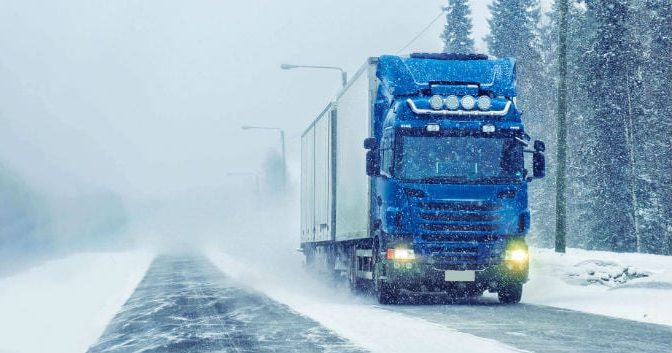
Image: Certas Energy
HVO is a drop-in alternative diesel that can cut life cycle GHG emissions by up to 90% compared to standard diesel.[1]
This renewable alternative requires no additional investment to existing machinery or vehicles as it is fully compatible with most diesel engines.
Demand for HVO has been rising consistently for the past few years and, at Certas Energy, we’ve experienced a year-on-year rise in sales for the fuel. This has been largely driven by the transport industry, highlighting the point that key decision-makers in the sector are increasingly turning to more immediate solutions to meet short-term decarbonisation targets as the industry transitions to electric.
Alongside these benefits of switching your fleet to HVO, many fleet managers might not be aware of the advantages of using this drop-in alternative diesel throughout the winter months.
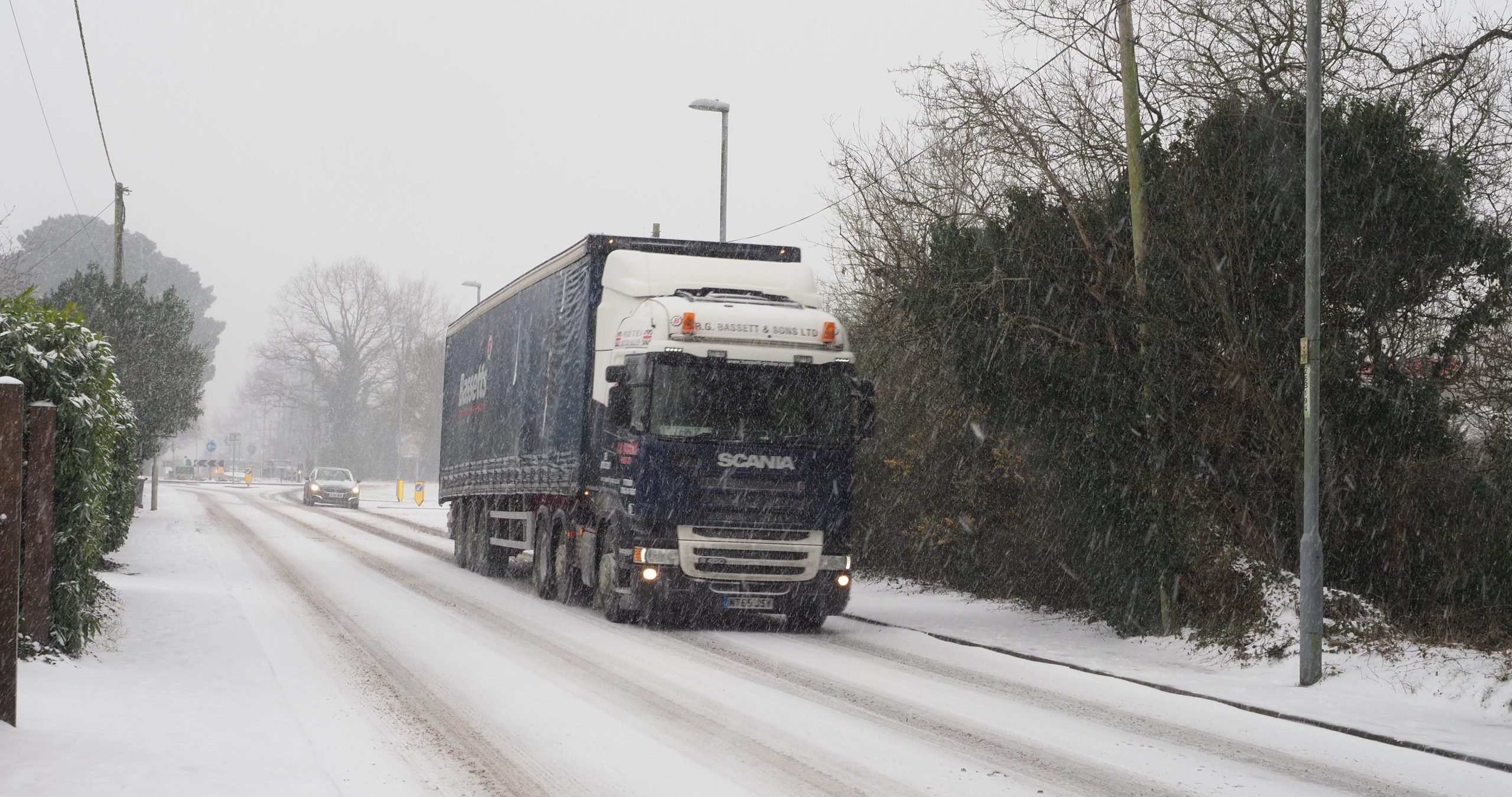
According to the Met Office, we are shortly moving into another cold snap, expected to last until mid-February, and which followed a colder-than-average winter in the UK. Fleet Managers require reliability when it comes to all fleet components, from vehicle infrastructure to fuel.
Winter-grade HVO has a naturally lower cold filter plugging point (down to -30°C) than standard diesel , which keeps machinery running smoothly without the or additives. In contrast, it’s estimated that electric vehicles typically lose range in cold weather, and the same can be said for standard fuel efficiency.
With a higher cetane value (typically falling between 70-90) and fuel lower density compared with standard diesel, the combustion of HVO is more efficient, meaning the engine will start better in cold conditions.
As well as performing efficiently in colder conditions, the shelf life of up to 10 years ensures better storage security to remain ready for all weather conditions.
Over the last few years, reports like this one by Shell, have revealed that the cost is the biggest barrier to decarbonisation – especially for smaller fleets. However, during winter, cold weather inefficiency and carbon build-up can quickly drive-up costs, and some estimate it could result in a reduction in EV range between 10%-30%.
As well as being a direct replacement, HVO can also be blended with standard diesel in the tank to reduce upfront costs while still delivering immediate carbon reductions.
Greenhouse gas emissions relating to the transport industry increased 4.5% in 2024, according to recent data by the Office for National Statistics, a trend that has continued since 2021. If the industry wants to accelerate its transition to net zero, as suggested in the UK Government’s Carbon Budget and Growth Delivery Plan, it needs to be adopting energy solutions, like HVO, that deliver 365 days a year.
[1] Department for Energy Security & Net Zero – Greenhouse gas reporting: conversion factors 2025