
More than half of UK exporters say they have been affected by disruption in the Red Sea, as ongoing attacks on commercial shipping continue to place pressure on global supply chains, increase freight costs and extend delivery times.
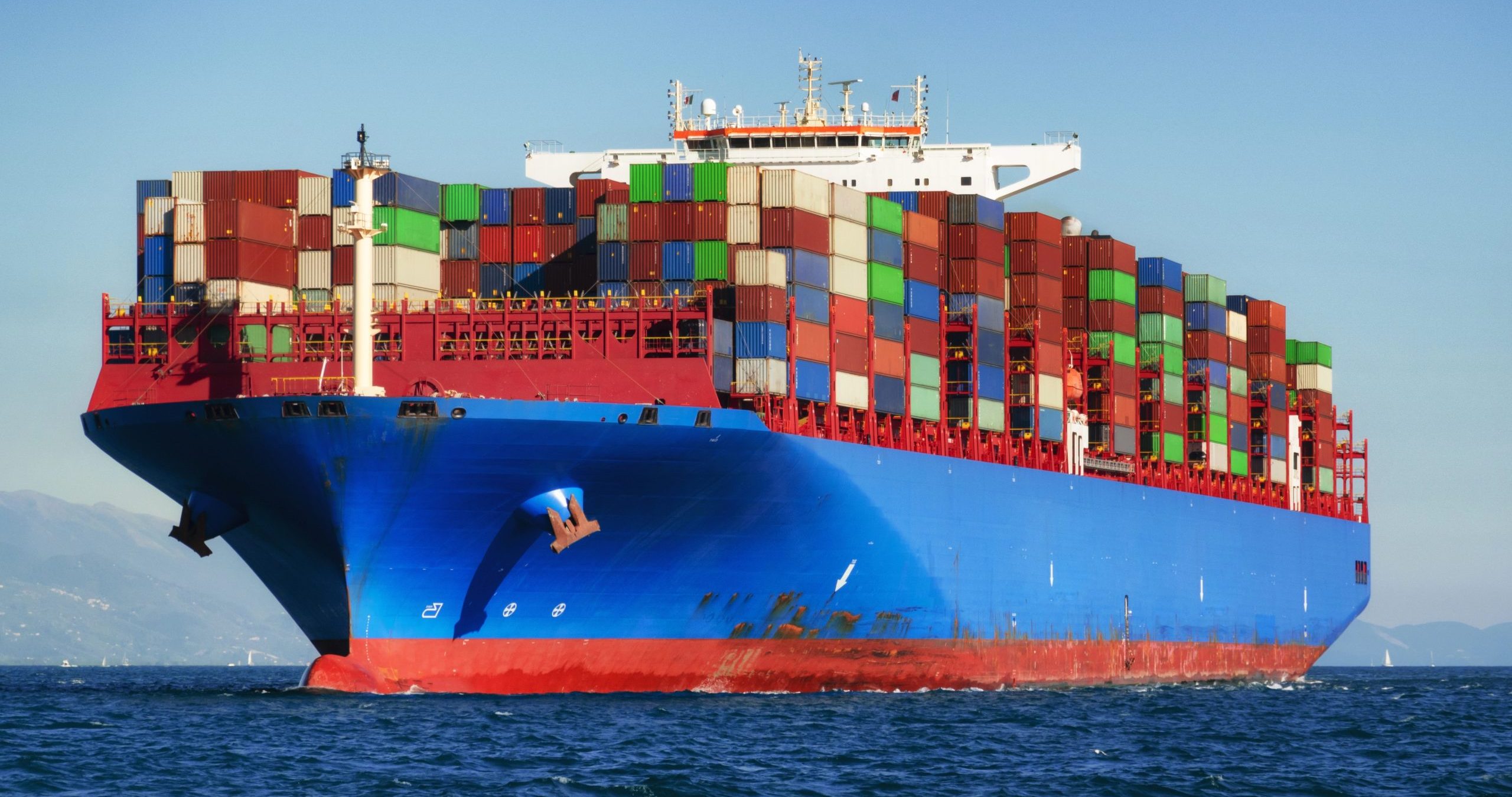
Since November 2023, Houthi attacks targeting vessels in the Red Sea and Gulf of Aden have forced the majority of shipping operators to reroute around the Cape of Good Hope rather than use the Suez Canal. The disruption has created one of the most significant challenges to international logistics in recent years, with consequences continuing to affect British businesses across multiple sectors.
According to figures from the Department for Transport, around 85 per cent of UK international freight by weight and 55 per cent by value is transported by sea, underlining the importance of stable global shipping routes to the UK economy.
Cleveland Containers, part of the Cleveland Group, says businesses should not assume the disruption will disappear quickly once the immediate security situation improves.

Richard Gray, Chief Operations and Commercial Officer at Cleveland Containers
“The instinct is to treat something like this as a temporary problem that will correct itself once the situation changes,” said Richard Gray, Chief Operations and Commercial Officer at Cleveland Containers. “But supply chains do not snap back overnight. When major global shipping routes are disrupted at this scale, the knock-on effects can run for months or years after the immediate cause is resolved.”
Avoiding the Suez Canal and rerouting vessels around southern Africa is adding between seven and ten days to shipping journeys, while increasing operating costs by an estimated $1 million per voyage. Major carriers including Maersk and ZIM Integrated Shipping Services have also introduced emergency surcharges ranging from $500 to $1,500 per container.
The impact extends beyond direct shipping costs. Longer routes mean vessels remain in circulation for extended periods, reducing available global shipping capacity. Industry estimates suggest worldwide capacity fell by between 15 and 20 per cent during the second quarter of 2024 due to the disruption, contributing to port congestion, equipment shortages and wider supply chain delays.
“Businesses often calculate the cost of disruption in terms of the direct shipping increase,” added Gray. “What they tend to underestimate is what happens when the ripple reaches their own operation. A delayed shipment of materials can stall a project, push back a production run, or leave a client short. That’s where the commercial damage accumulates.”
The construction industry is among the sectors most exposed to shipping disruption. Government data shows more than 60 per cent of UK construction material imports originate from the European Union, making supply chains particularly vulnerable to delays and rising freight costs.
For contractors and developers working to strict schedules, late deliveries of materials such as structural steel, insulation products or specialist components can trigger substantial financial consequences. Labour costs, plant hire and subcontractor delays can quickly escalate when projects are held up by supply chain disruption.
“Construction operates on programmes,” Gray explained. “When materials are late, everything else moves. Most contracts carry penalty clauses, and most subcontractors carry their own costs. The exposure adds up quickly, and procurement teams may not be building in enough contingency for what is now a genuinely volatile shipping environment.”
Industry forecasts suggest disruption linked to the Red Sea crisis could continue throughout 2026. Even during periods of reduced attacks, insurers continue to apply elevated risk premiums while many shipping operators have already adapted to the longer Cape route as a standard operating model.
The long-term effects may persist well beyond any political resolution. Ports handling rerouted traffic continue to face pressure, while shipping schedules and container availability may take significant time to stabilise.
“The businesses that will come out of this best are the ones that stopped waiting for things to normalise and started planning around the new reality,” said Gray. “That means reviewing lead times, reassessing supplier geography, and thinking seriously about how much stock they can absorb on site if a shipment is late.”
In response, many businesses are investing in greater supply chain resilience through supplier diversification, nearshoring strategies and improved digital visibility across logistics networks. Flexible storage solutions are also becoming increasingly important, particularly for construction firms looking to secure materials on-site ahead of project deadlines.
“Resilience is not a theoretical exercise,” Gray added. “It is about having enough flexibility in your operation that when something goes wrong upstream, you are not immediately at the mercy of it. The businesses that are navigating this period well are the ones that built that flexibility in before they needed it.”
The ongoing Red Sea shipping disruption highlights the growing importance of supply chain flexibility, contingency planning and infrastructure resilience as businesses adapt to an increasingly uncertain global trading environment.