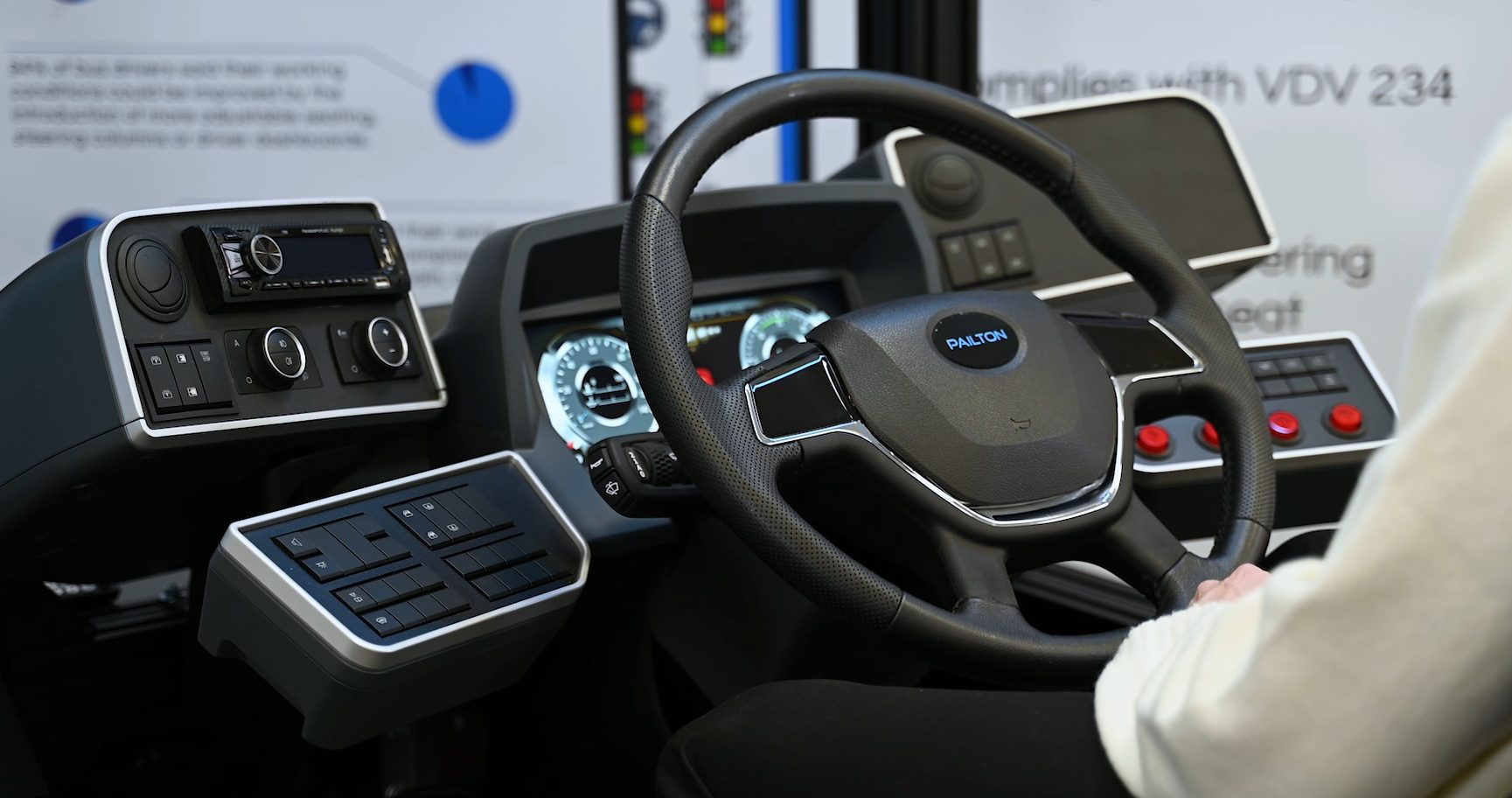

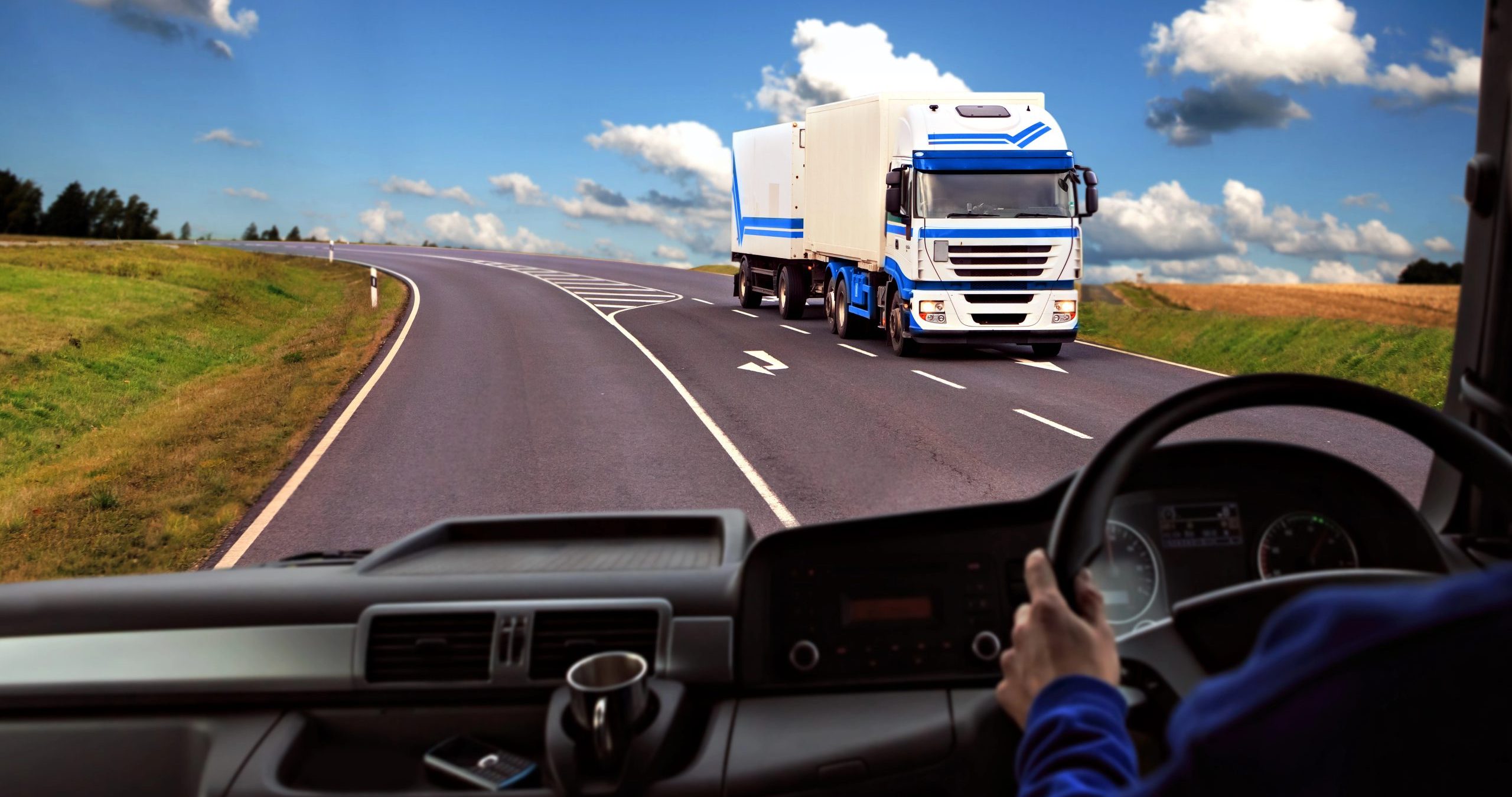
Driver distraction continues to be a persistent and recurring risk for commercial fleet operations, representing one of the biggest influencing factors in road collisions, insurance and liability exposure, and overall fleet performance. However, the latest innovations in video telematics and fleet safety systems are making this problem much more measurable and analysable, providing the means to identify behavioural patterns and tackle the issue at root.
“For commercial vehicles, research suggests that 41% of collisions are caused by driver error, of which, 70% are a result of some form of inattention or distraction, with a further 17% down to fatigue,” explains Stuart Davis, Senior Product Manager at Brigade Electronics. “In terms of the severity, looking at or interacting with a screen or electronic device has been shown to increase the response time of a driver by up to 57%. When driving, especially at higher speeds, it does not take much of a distraction to cause a collision, so even a small increase in driver response can significantly increase risk levels.”
Distraction is generally categorized into three types: visual (eyes off the road), manual (hands off the wheel), and cognitive (mind off driving). According to Felipe Lima, International Sales & Business Development Director of Queclink Wireless Solutions: “The most critical distractions are those that combine multiple types at the same time. The clearest example is handheld cell phone usage, which typically involves all three simultaneously.”
However, risk is not defined only by the type of distraction, but also by the context and the operation. Risks are often intensified by demanding working conditions and schedules where drivers are expected to remain responsive to changing requirements and live job updates while behind the wheel. This creates an environment where attention is frequently divided, heightening distraction risk.
“Many work truck operations will tell drivers to stay focused while simultaneously requiring them to interact with dispatch, compliance, route changes, customer updates and proof-of-service tools in real time. In other words, part of the distraction burden is created by the fleet’s own operating model,” adds Felipe Lima.
Smartphone distraction represents a huge and growing risk to commercial fleets. The most recent Government data shows that 40,723 were convicted for using a handheld mobile phone while driving in 2024. Meanwhile, in a recent survey 15% of drivers admitted to using handheld phones to browse, text or post on social media and 20% said they check messages or notifications.
Fleets need to adopt clear, consistently enforced policy frameworks to tackle the issue. However, tougher laws and corporate policy alone will not be sufficient to change attitudes towards smartphone devices and tackle this dangerous behaviour. Commercial fleets will need to consider ongoing engagement, structured training, and clear communication of real-world consequences, underpinned by incident data and near-miss reporting. We will also see more fleets adopting emerging innovations, which are expected to become increasingly central to risk reduction.
One such development is mobile device blocking that prevents unauthorized access to a smartphone while driving, which is responsible for up to 40% of all collisions according to unofficial estimates. Mark Hadley, CEO of Blackout Technologies explains: “Using an app installed on a driver’s smartphone linked to a telematics unit or dashcam, without the need for any additional hardware, the blocking technology restricts access to non-essential functions while driving. This includes messaging apps, social media, streaming services, Internet browsing and camera use, as well as suppression of incoming notifications, while allowing phone calls, Apple Carplay and Android Auto as normal. It also includes a two-minute delay to prevent drivers using their device when in stationary traffic.”
Telematics has become a cornerstone of modern fleet management, providing real-time visibility into driving behaviour. Metrics such as harsh braking, rapid acceleration, cornering forces, idling, and inconsistent speed patterns can help identify early signs of distraction or reduced concentration. For work truck fleets, this capability enables a shift from reactive incident response to proactive risk prevention. Instead of waiting for collisions or near misses, operators can monitor trends across teams and identify emerging risks before they escalate.
The emergence of AI-powered driver-facing cameras further strengthens this telematics-based approach. Using in-cab video and machine learning, these devices can detect signs of distraction in real-time, including cell phone use, prolonged eye-off-road time, fatigue indicators such as yawning or head nodding, and other behaviours such as eating or smoking that may reduce control or attention. When risk is detected, immediate in-cab alerts can prompt drivers to refocus, creating a real-time feedback loop that helps prevent incidents.
Fleet technology is evolving rapidly, so the marketplace will see further advancements in hardware and software in terms of further aiding drivers and fleets. “The direction of innovation is clear, and it will all be around enhanced connectivity and AI,” claims Queclink’s Felipe Lima. “Multi-camera contextualization will offer a better understanding of what is occurring around the vehicle at the exact moment of driver distraction, while advances in edge-based AI will allow greater on-device processing, faster feedback and more selective uploads.”
Lima goes onto say: “We will also see a deeper integration of fleet and video telematics, moving away from a camera system in isolation towards an all-encompassing risk engine, which analyses and reports on a wide range of data sources. For example, when you combine layers of data, you move from asking: Did the driver look away? to asking: Was the driver distracted, during a safety-critical moment, while the vehicle was in a rising-risk state?”
Brigade Electronics’ Stuart Davis agrees that an integrated approach, pulling data from multiple systems and devices, but he also suggests there is a time-based element to consider moving forward. “Currently, a fleet can take a long-term statistical approach to identify trends and areas of improvement using driver behaviour video and data to reduce driver and vehicle risk. With AI driver-facing cameras and ADAS, real-time alerting it is also possible for high-risk events that need immediate attention, but next we want to be able to understand what combination of actions and circumstances are most likely to result in a collision.”
“With a multi-input system, we could use AI to analyse a wide range of data such as harsh driving, speed, tailgating, lane departure, distraction, fatigue, time of day and weather conditions to detect approaching risk in advance based on an accumulation of events. Once this is possible, a driver could be given a 30-minute warning and an action to address the situation, whether taking a break, reducing speed or even changing route, Davis adds.
Reducing driver distraction in work truck fleets requires a joined-up approach combining clear policy enforcement, continuous driver education, intelligent use of technology and realistic operational planning. Those that take a proactive stance not only improve safety outcomes but also strengthen service reliability, reduce operational disruption and support driver wellbeing in some of the most demanding fleet environments.