

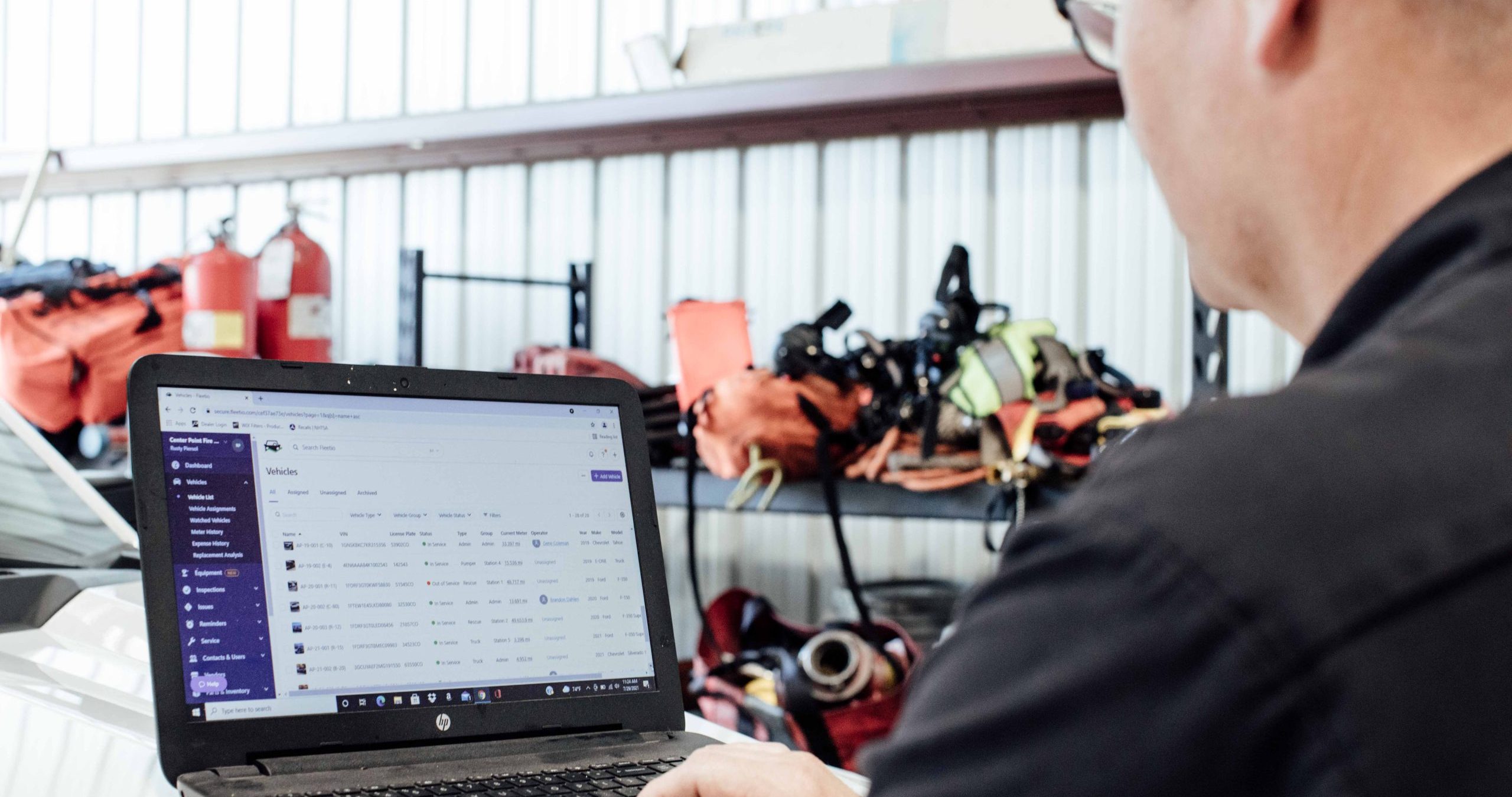
When maintenance breaks down, so does the business
Fleet performance relies heavily on the systems that keep assets on the road safely and reliably. At the center of that is maintenance. When maintenance is tightly managed, fleets operate more predictably and can better control costs while improving asset lifecycles. When it isn’t, everything else begins to slip.
In this article, Rachael Plant, a senior content marketing specialist for Fleetio, takes a closer look at the importance of a good maintenance strategy.
Maintenance is often treated as an afterthought, or is something handled reactively or spread across spreadsheets, vendor portals, emails, and side conversations. This can result in delays, miscommunication, rising costs, and a constant sense of playing catch-up. Essentially, maintenance is where fleets win or lose.
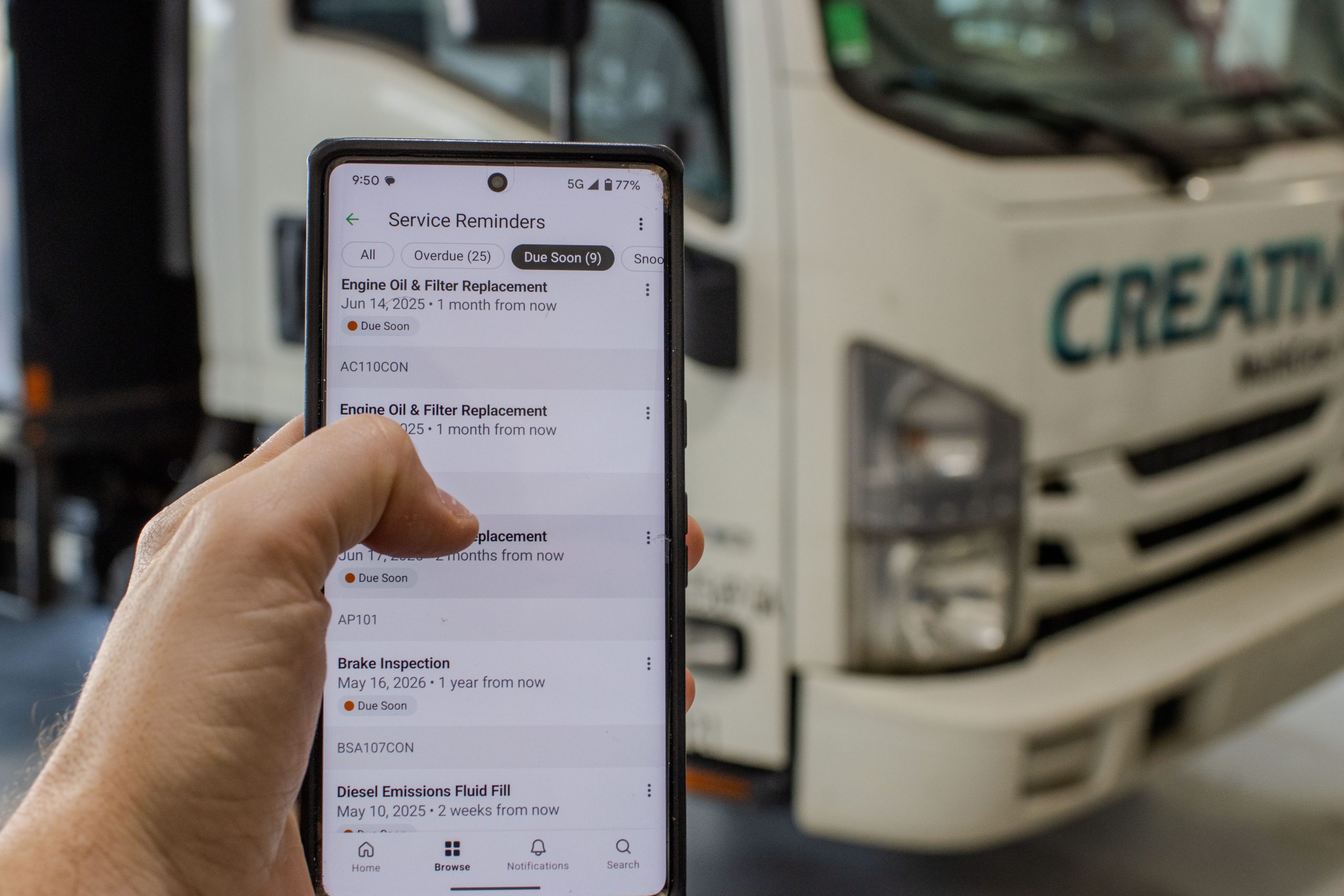
The Hidden Cost of Disconnected Maintenance
Many fleets still rely on a patchwork of tools to manage maintenance, with work orders in one system, invoices in another, approvals buried in email threads, and vendor updates happening over the phone. While each piece may function independently, the lack of cohesion creates friction across the entire operation.
In these environments, teams often struggle to identify what needs attention, where to find accurate information, and who is responsible for taking action. Approvals become delayed or overlooked, and costs become increasingly difficult to track with confidence. This can cause both inefficiency and operational drag, with assets sitting idle longer than necessary and decisions taking too long to materialize. If everything lives in silos and side conversations, nothing truly moves forward, and the business feels the consequences.
Why Maintenance Can’t be an Add-on
Maintenance is the operational backbone of any fleet. Treating it as an add-on or an isolated workflow guarantees inefficiencies that compound over time. Fleets require a centralized platform or software where maintenance is fully embedded into daily operations, giving managers the ability to clearly understand what needs fixing, where to take action, who is responsible, when work is completed, and what it ultimately costs. While many tools can surface data, far fewer are designed to enable meaningful action, and without action, data alone cannot keep assets on the road or operations running smoothly.
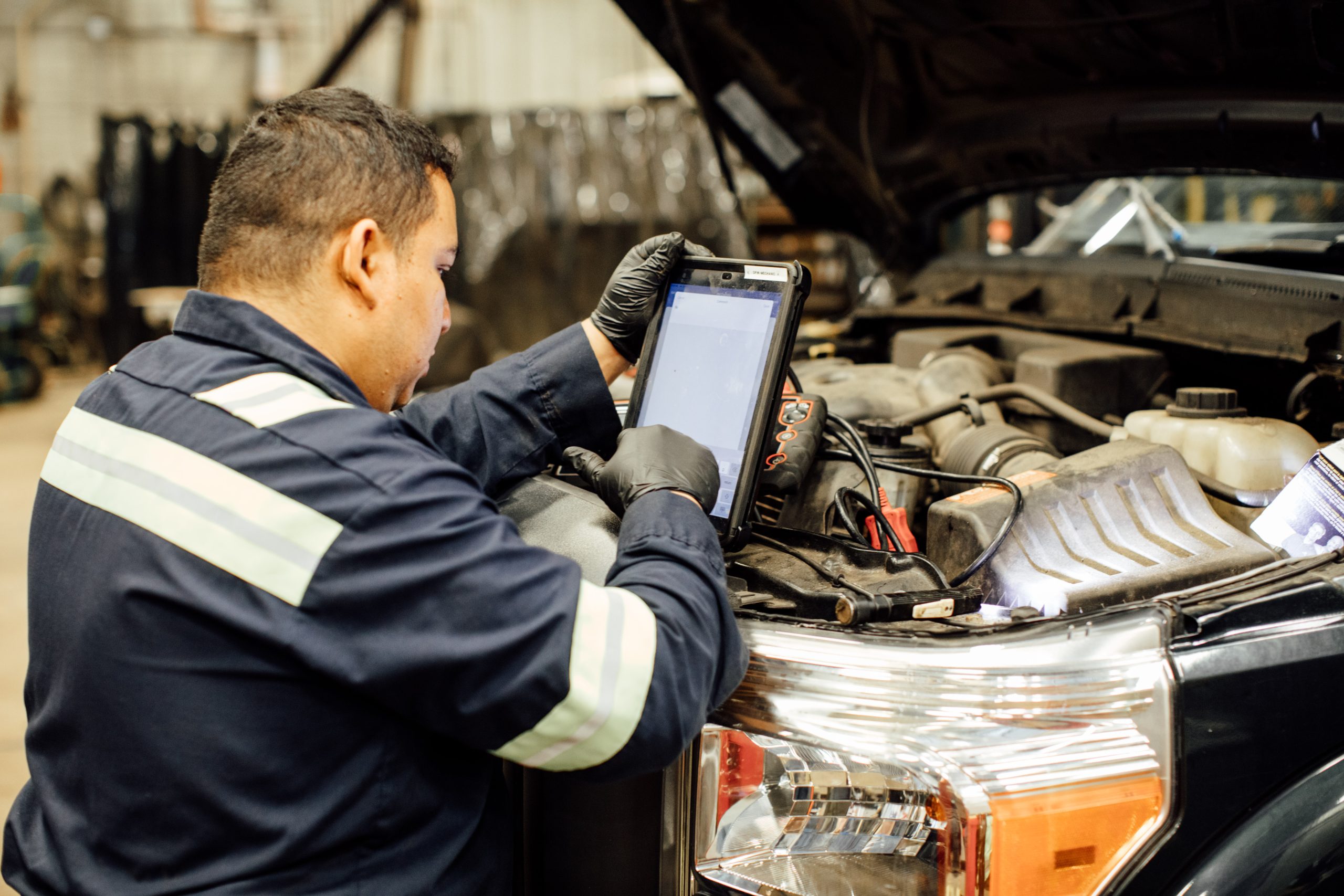
One Platform, Aligned Teams, Faster Decisions
According to a 2026 fleet benchmark report, in total, communication gaps, fleet visibility, and unscheduled service volume make up 72.1% of reported barriers to on-time maintenance. Centralizing maintenance data and workflows improves how fleets operate. Instead of chasing updates across systems or waiting for information to be relayed, teams gain access to shared trusted data and workflows. This alignment reduces friction and allows operations to move with greater confidence and speed.
This shift is particularly important as fleets increasingly evaluate software not as standalone solutions, but as part of a broader technology ecosystem. Integration with existing systems, such as telematics providers and financial tools, has become essential, both for improving maintenance and understanding the fleet’s total cost of ownership. Running a fleet in one place ensures that teams stay aligned and that decisions move faster and with greater accuracy.
Rethinking the Role of FMCs
Fleet Management Companies (FMCs) have long played the role of an “invisible hand,” managing maintenance coordination, approvals, and vendor relationships behind the scenes. While this model has provided value, it has also created a layer of separation between fleets and their operational data. Increasingly, there is demand for greater visibility into maintenance decisions, with more direct control over approvals and faster turnaround times.
Solutions such as integrated shop networks and built-in approval workflows are enabling fleets to strike a new balance, retaining the benefits of outsourced maintenance while bringing control and transparency back in house. By managing vendors, approvals, and costs within a centralized platform, fleets can reduce reliance on intermediaries without sacrificing efficiency, ultimately creating a more responsive and accountable operation.
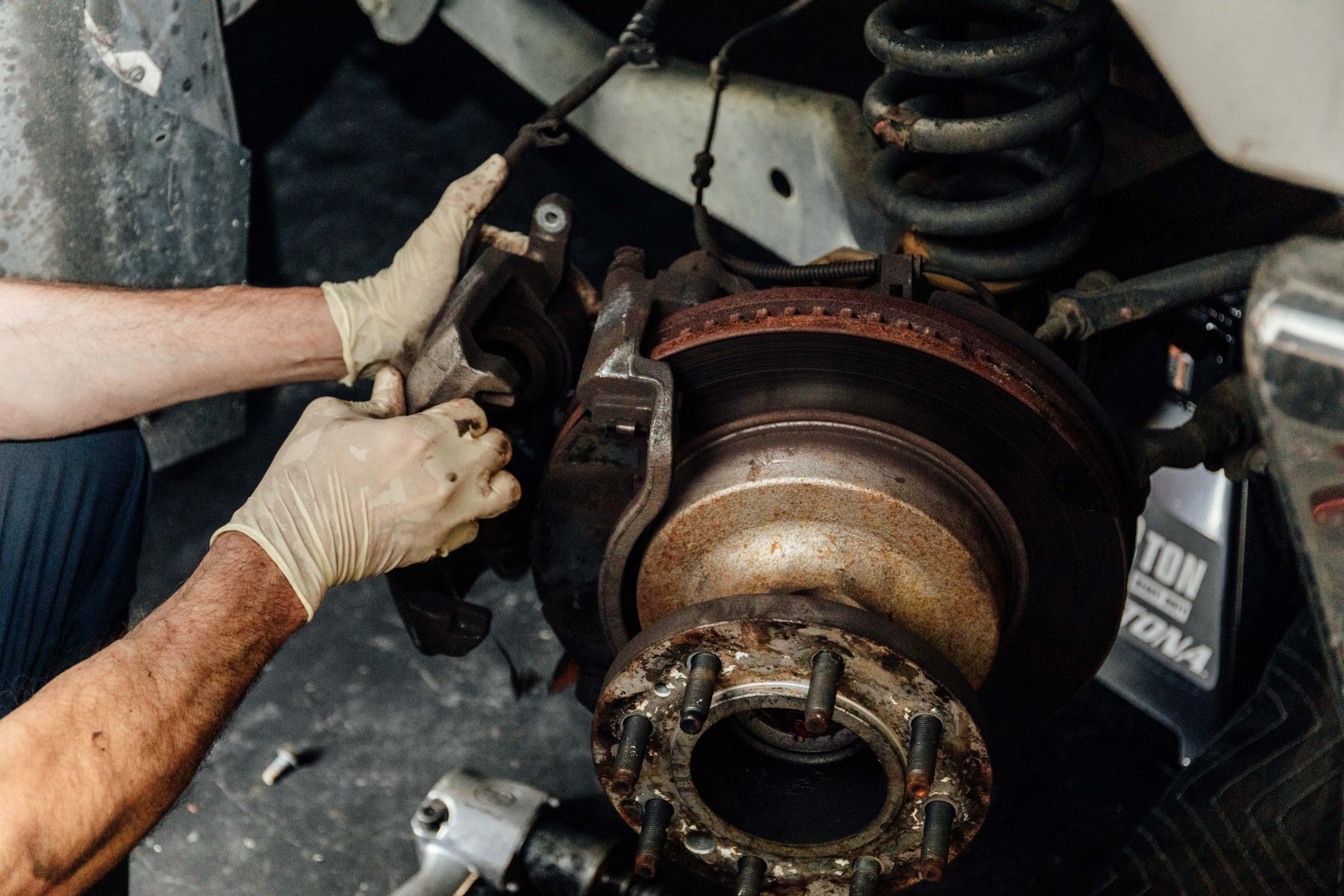
Reducing Change Management Fear
Despite the clear benefits of modernizing maintenance systems, many fleets hesitate due to concerns around change. Existing processes, even if imperfect, feel familiar. Teams worry about disruption and the risk of transitioning to something new. However, the greater risk lies in maintaining systems that can’t adapt. Most legacy fleet solutions were not designed to evolve, meaning even minor operational changes or industry shifts can create significant challenges.
Integrated maintenance platforms address this by meeting fleets where they are, allowing them to adopt new capabilities gradually while maintaining continuity in their operations. This adaptability reduces the burden of change management and enables fleets to improve over time rather than forcing immediate, large-scale transformation.
Scaling Maintenance with Intelligence
For enterprise fleets and those expanding their operations, the complexity of managing maintenance increases exponentially. Manual processes and fragmented communication simply can’t scale effectively. New tools, such as AI-powered service advisors, are beginning to mitigate scaling challenges. These tools introduce a new level of intelligence into maintenance operations by automating routine decisions, identifying anomalies in service recommendations or costs, alerting fleets to service trends like recurring component issues, and providing real-time insights into asset health.
Instead of adding layers of manual oversight, fleets can scale their operations with greater precision and consistency, maintaining control without slowing down the business and allowing teams to focus less on administrative tasks and more on strategic decision-making, improving both efficiency and outcomes.
When the Fleet Moves, the Business Moves
Fleet maintenance can make or break fleet readiness. When assets are properly maintained and available, operations run smoothly and business performance remains strong. When maintenance breaks down, that readiness disappears, and the impact is felt across the entire organization.
Achieving consistent readiness requires systems designed for action, meaning workflows must be centralized, connected, and adaptable to changing conditions. Only then can fleets respond quickly and operate with confidence. When the fleet moves, the business moves. Ensuring that movement starts with how maintenance is managed.