
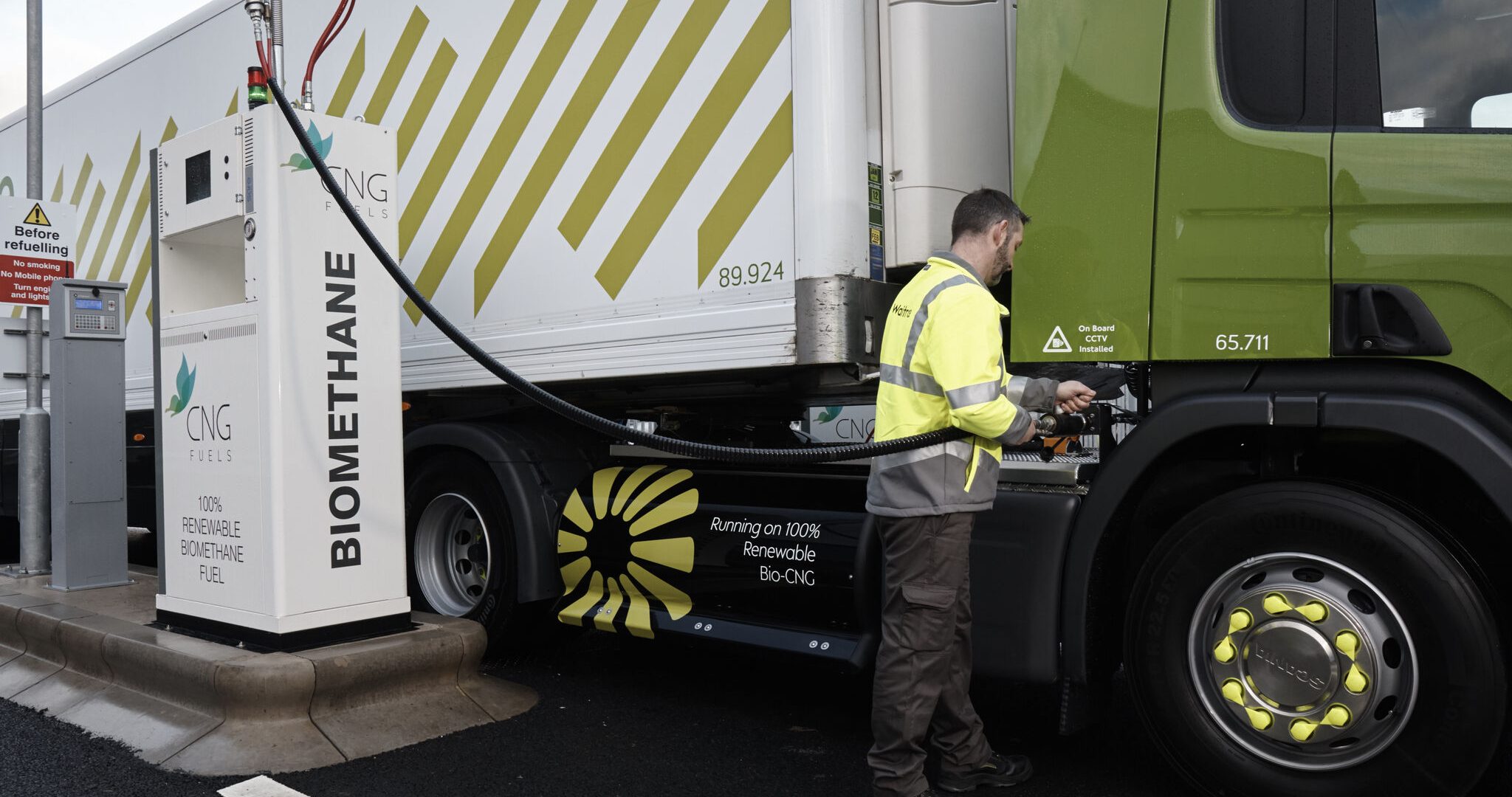
ReFuels N.V. is set to strengthen the UK’s low-carbon freight infrastructure with the construction of a new public-access biomethane refuelling station in Swindon.
Construction of the new site will begin on 1 June and is expected to be completed during the first quarter of 2027. The station will be owned and operated by CNG Fuels, in which ReFuels holds a 40 per cent stake.
Strategically positioned with direct access to the M4 motorway, the Swindon facility will support freight operators travelling between London, Wales and the Midlands. The station will also complement the Magor refuelling site currently under construction in South Wales, helping establish a dedicated low-carbon freight corridor along one of the UK’s busiest logistics routes.
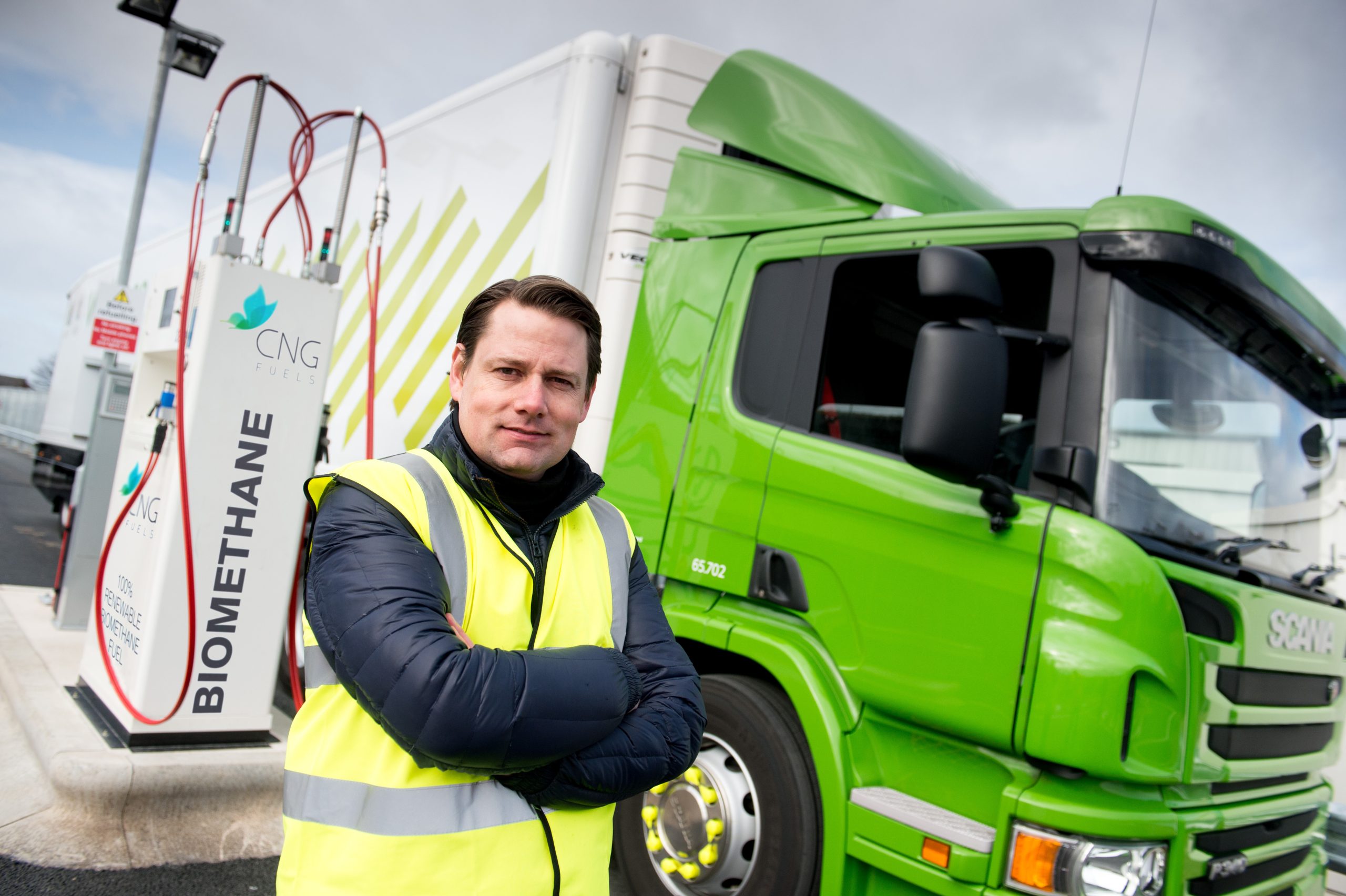
Philip Fjeld, CEO of ReFuels
Philip Fjeld, CEO and co-founder of ReFuels, said: “Europe and the UK are increasingly addressing energy resilience by shifting away from volatile global fossil fuel markets. ReFuels has a clear strategy of expanding the CNG Fuels station network to enable logistics operators to reduce emissions and cut fuel costs while reducing dependency on diesel.
“Swindon and Magor are the next elements of that strategy, giving fleet operators access to a stable, domestic energy source. It will create a clean fuel corridor that supports the rapid decarbonisation of road freight along the M4 and into the Midlands. We see growing demand for biomethane as fleets adopt the new generation of larger 6×2 gas trucks, which unlock a significantly larger addressable market.”
Once fully operational, the Swindon station will be capable of refuelling up to 12 HGVs simultaneously and supporting more than 800 trucks per day. The facility will provide annual dispensing capacity exceeding 30 million kilograms of 100 per cent renewable Bio-CNG.
ReFuels plans to almost double the dispensing capacity of the UK-wide CNG Fuels network by the end of 2028 in response to increasing demand from fleet operators seeking lower-emission alternatives to diesel.
The company says Bio-CNG produced from food waste and manure can reduce greenhouse gas emissions by between 85 and 90 per cent compared with diesel. It also offers significant cost advantages, with fuel costs estimated to be around 25 per cent lower than diesel and approximately 40 per cent cheaper than hydrotreated vegetable oil (HVO).
“Biomethane is a homegrown energy source that delivers carbon reductions at scale while offering lower and more predictable fuel costs. Since 2020, customers across our network have saved over GBP 55 million by switching to biomethane,” added Fjeld.
Currently, more than 2,250 trucks refuel daily across CNG Fuels’ 16 UK stations, with the network capable of serving over 11,500 vehicles each day. By 2028, the company aims to support 20,000 HGV refuellings daily and dispense more than 780 million kilograms of biomethane annually, equivalent to reducing carbon emissions by more than 2.3 million tonnes of CO₂ per year.
The expansion reflects growing demand for renewable fuel solutions as the logistics industry accelerates efforts to decarbonise heavy goods transport while reducing operating costs and improving energy security.