

With 2025 wrapped up, it’s fair to say the past year has been a busy one for the UK’s electric vehicle (EV) industry. Policy announcements, funding changes and continued investment in charging infrastructure have kept EVs firmly on the agenda. And all signs suggest the pace of change will continue into next year.
Naomi Nye, Head of Sales at Drax Electric Vehicles, reviews fleet electrification progress to date, and looks forward further progress in 2026. And for those about to take their first steps on the EV journey, Naomi offers practical steps and advice.
A major driver of this shift is the UK’s Zero Emission Vehicle (ZEV) mandate, which signals clear government intent and direction for the market. While the targets formally sit with manufacturers, the downstream impact on businesses will be significant. As supply shifts and zero-emission vehicles become the default, electrification will become increasingly difficult to delay. The 2030 requirement for 80% of new car and van sales to be zero-emission marks a turning point: the EV transition is moving from a business ambition to an operational necessity.
Thankfully, many conditions now support that shift. The government has demonstrated positive progress to delivering the ZEV mandate and EV transition with schemes like the EV depot charging grant to help accelerate much needed infrastructure evolution. Likewise, acknowledging the less advanced electric van transition with their exemption from eVED provides stability and cost certainty for businesses without sacrificing progress towards their overall objectives.”
With much of this groundwork laid in 2025, next year will be less about whether to electrify and more about how to do it well. Three factors – ownership, cost and innovation – will define how fleet and facilities decision-makers approach electrification in 2026.
Ownership and knowledge gaps will continue to challenge businesses
Even with progress, some businesses are still exploring the best way to manage cost and what is practically achievable. The solutions exist; the key is clarity over who owns the transition internally. Clear ownership ensures data is accurate, decisions are fast, and knowledge grows.
Assigning responsibility to a dedicated person or team creates focus, accountability, and faster decision-making. It transforms what can feel complex into a structured, manageable process. Teams with clear ownership can proactively tackle challenges, make informed decisions, and build confidence across energy use, grid management, and charge point installation.
Yet even with ownership in place, developing full expertise takes time. Experience in operations provides a strong foundation, but skills in energy strategy, grid capacity, and charging infrastructure grow as teams actively engage with the transition. With the right focus and support, businesses can quickly turn this learning curve into a competitive advantage.
Early adopters such as Royal Mail and Scottish Water show the benefits of a focused, cross-functional approach. They demonstrate how dedicated ownership drives meaningful progress and long-term success. By starting early, using expert guidance, and treating electrification as a core priority, organisations can test, learn, and scale with confidence, making the transition smoother, faster, and more rewarding.
Charging creativity to overcome cost
Charging strategy remains a major cost and operational challenge. Businesses must decide whether all charging happens at the depot or if a more flexible approach works, while navigating grid limits, space constraints and staffing impacts.
Creative solutions can make a significant difference. Analysing data helps identify what works in current charging setups and where tweaks are needed. Simple optimisations include shifting charging schedules, utilising solar or other renewables for on-site charging, using battery storage strategically, or treating vehicles as mobile energy assets to reduce reliance on costly public chargers. Financing options for charging infrastructure can also ease upfront budget pressures.
Partnerships can support this process. For example, our collaboration with Lightfoot helps customers better understand charging patterns and efficiency, while Horizon Energy Ventures provides flexible financing for installations. Combining data insight, creative energy strategies and smart investment enables businesses to move beyond trial and error and establish a sustainable, cost-effective charging model as fleets grow and electrification scales up in 2026.
The next innovation to shape the future: HGVs
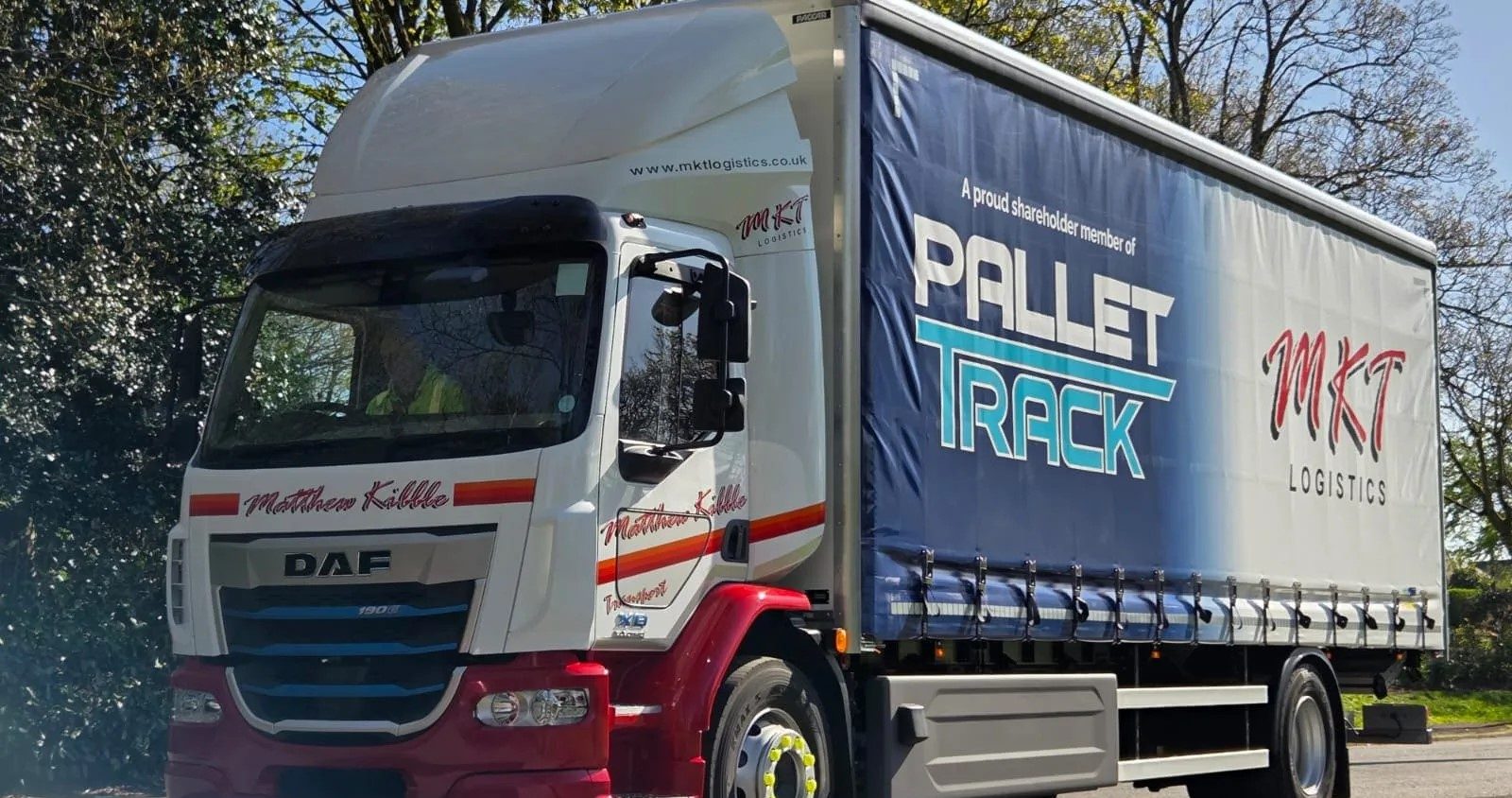
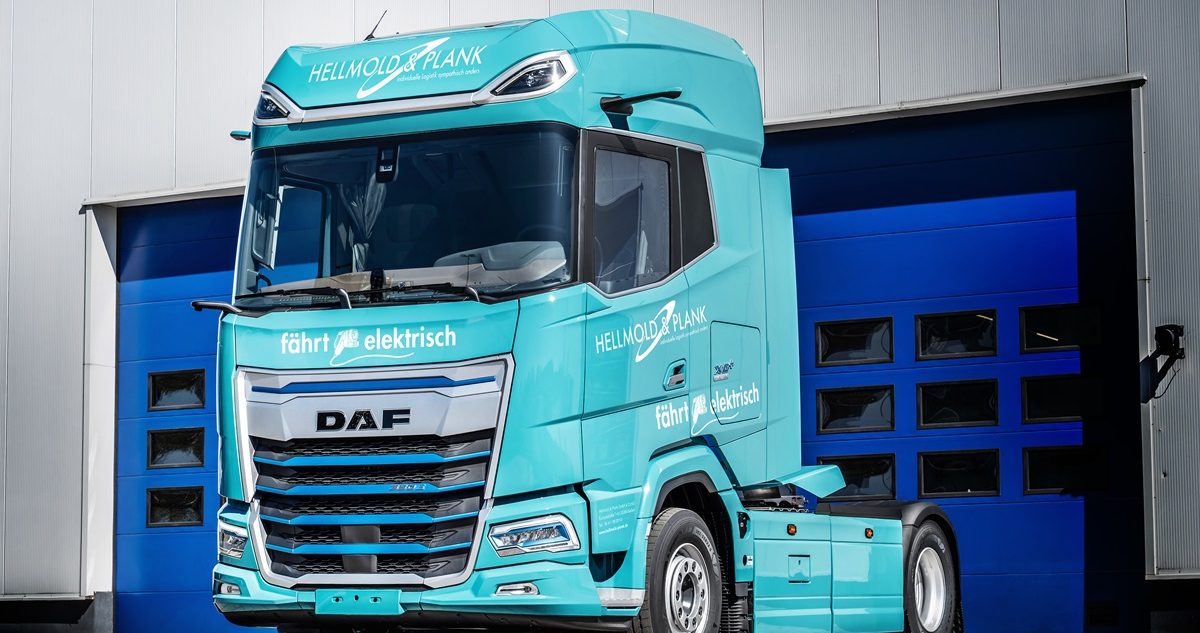
One of the biggest shifts in 2026 will be in Heavy Goods Vehicles (HGVs). HGVs make up roughly 16% of UK domestic transport emissions1, yet few are electric due to high electricity use. This gap presents a major opportunity for innovation.
Challenges are familiar: limited vehicle availability, higher upfront costs and heavy demands on charging infrastructure. But the trajectory is clear. Just as electrifying vans took off a decade ago, early HGV adopters are laying the groundwork for a wider market. As vehicles evolve, so will depot and public charging networks, helping fleets integrate heavier EVs smoothly and cost-effectively.
Fleet and facilities decision-makers should plan infrastructure and energy strategies early. They should also use lessons from smaller EV fleets. Doing so positions businesses to benefit from the next major wave of fleet electrification.
2026: your year to build momentum
Fleet electrification is entering a new commercial phase. Businesses now have more choice, more support and proven examples to follow. By establishing clear ownership, using creative cost strategies and watching emerging innovations like HGVs, organisations can make the transition smoother, more efficient and scalable.
For those still at the start line, the time to act is now. Early planning, dedicated resources and a willingness to learn from trial and error will help businesses move confidently through 2026 and beyond, turning electrification from a challenge into a competitive advantage.