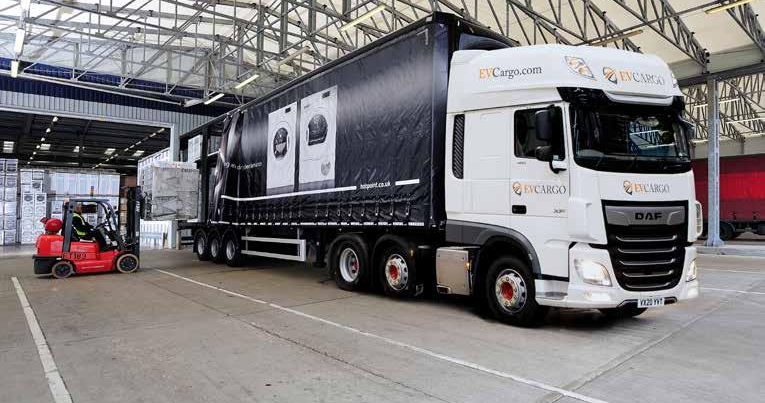
It’s every fleet manager’s nightmare. Product arriving damaged, customers complaining, and absolutely no idea why.
That was the situation facing EV Cargo’s digitalisation team. Shipments were getting damaged on a regular run, yet the telematics showed nothing out of the ordinary. No harsh braking. No speeding. No driver errors flagged whatsoever.
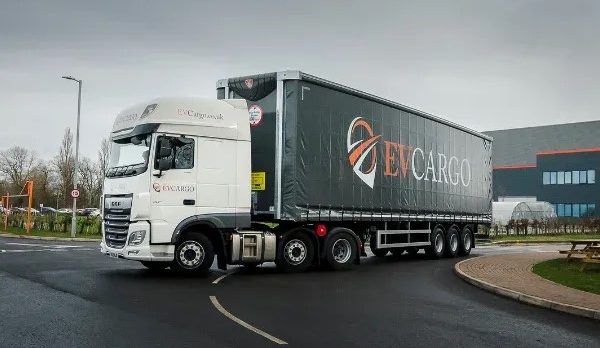
Image: EV Cargo
“From our point of view, there were no obvious signs that there was anything wrong,” says Clark Podger, Head of Digitalisation at EV Cargo. “No harsh events, no speeding, no nothing.”
EV Cargo is no small operation. The global logistics and supply chain platform runs around 200 HGVs and 500 full-time drivers across the UK, handling everything from fast-moving consumer goods to liquids and specialist deliveries.
When cargo damage becomes a recurring problem at that scale, the costs add up fast.
So the team tried something unconventional. Working with their technology partner Samsara, they mounted a dash cam inside the trailer itself – pointing at the cargo rather than the road.
Samsara has built its reputation as one of the leading fleet technology providers globally, offering AI-powered dash cams, real-time GPS tracking, and telematics solutions to over 10,000 customers worldwide. But it’s this kind of innovative, problem-solving approach that sets the company apart – working collaboratively with fleets to find answers that standard data simply can’t provide.
What they discovered surprised everyone.
The damage was happening within minutes of leaving the depot, on a stretch of road less than a mile from collection. The culprit wasn’t driving style at all – it was loading technique. Despite being properly strapped, pallets were shifting at low speeds as the vehicle navigated roundabouts. Small gaps in the load and strapping that looked secure but wasn’t doing the job.
“It wasn’t about harsh driving,” says Podger. “It was about loading technique.”
The fix was straightforward once they knew where to look. EV Cargo revised its loading procedures and introduced speed restrictions on the problem stretch of road. The camera-equipped trailer now sits ready for the next investigation.
For Podger, the lesson extends beyond this single case. “It doesn’t matter which way the dash cam’s pointing – on the road, in the cab or in the cargo bay. What matters is that it helps us see things more clearly and act on what we find.”
It’s a reminder that sometimes the data doesn’t tell the whole story. And that the best technology partners are the ones willing to think differently to help you see what you’re missing.
Watch the footage here: