
This week, FleetPoint sat down with Hayleigh Russell, Group Transport Compliance Manager at Collard Group, to find out how one of Southern England’s largest privately owned waste management companies transformed its fleet operation — and why the investment is already paying for itself many times over.
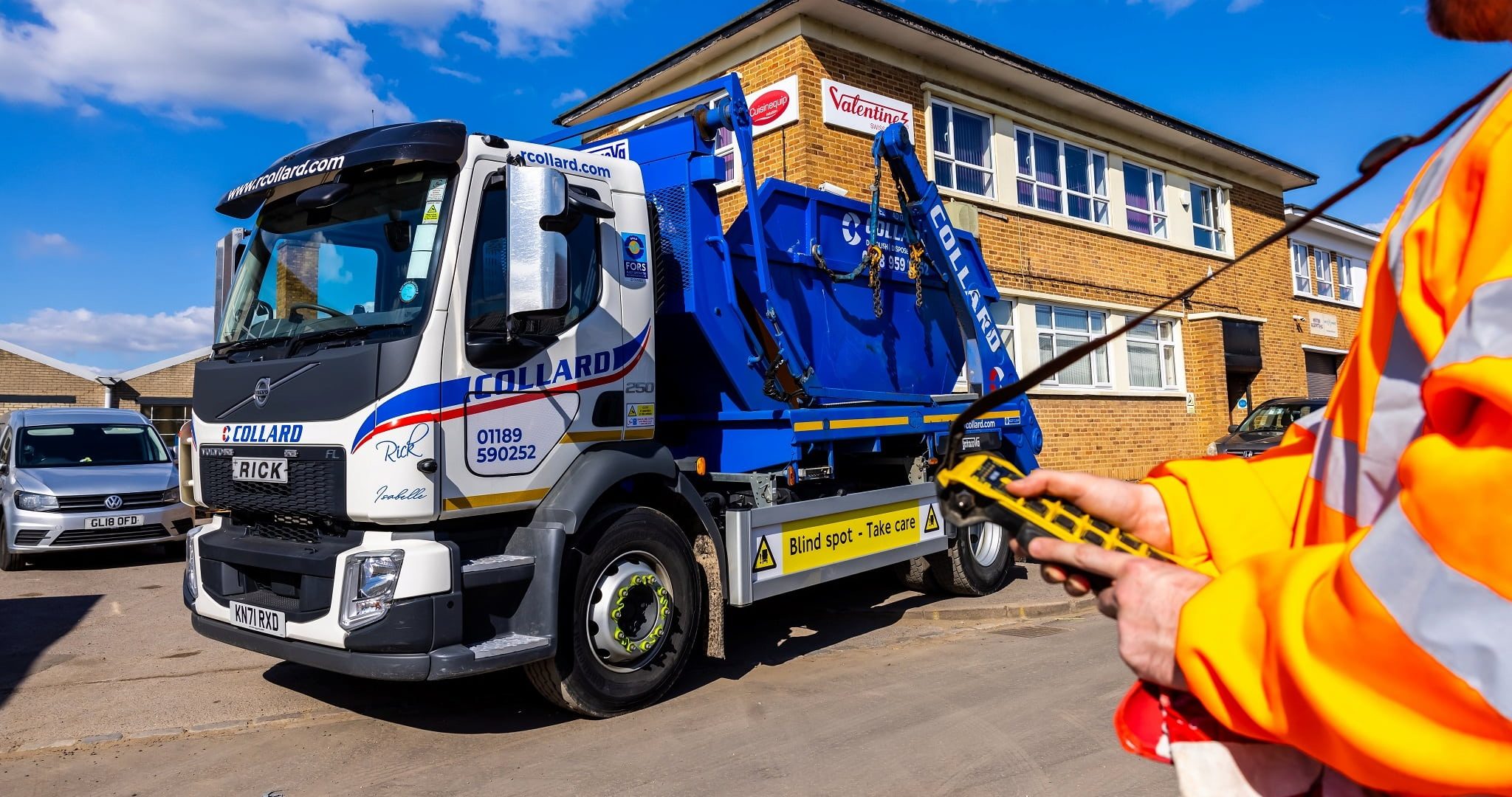
Collard Group runs a diverse fleet of over 300 vehicles across nine depots in four counties, handling everything from cars and vans through to 32-tonne HGVs and 150-tonne low-loaders. Operating across demolition, waste management and recycling, the company processed over 507,000 tonnes of waste in 2024 and achieved an impressive 97% diversion rate from landfill.
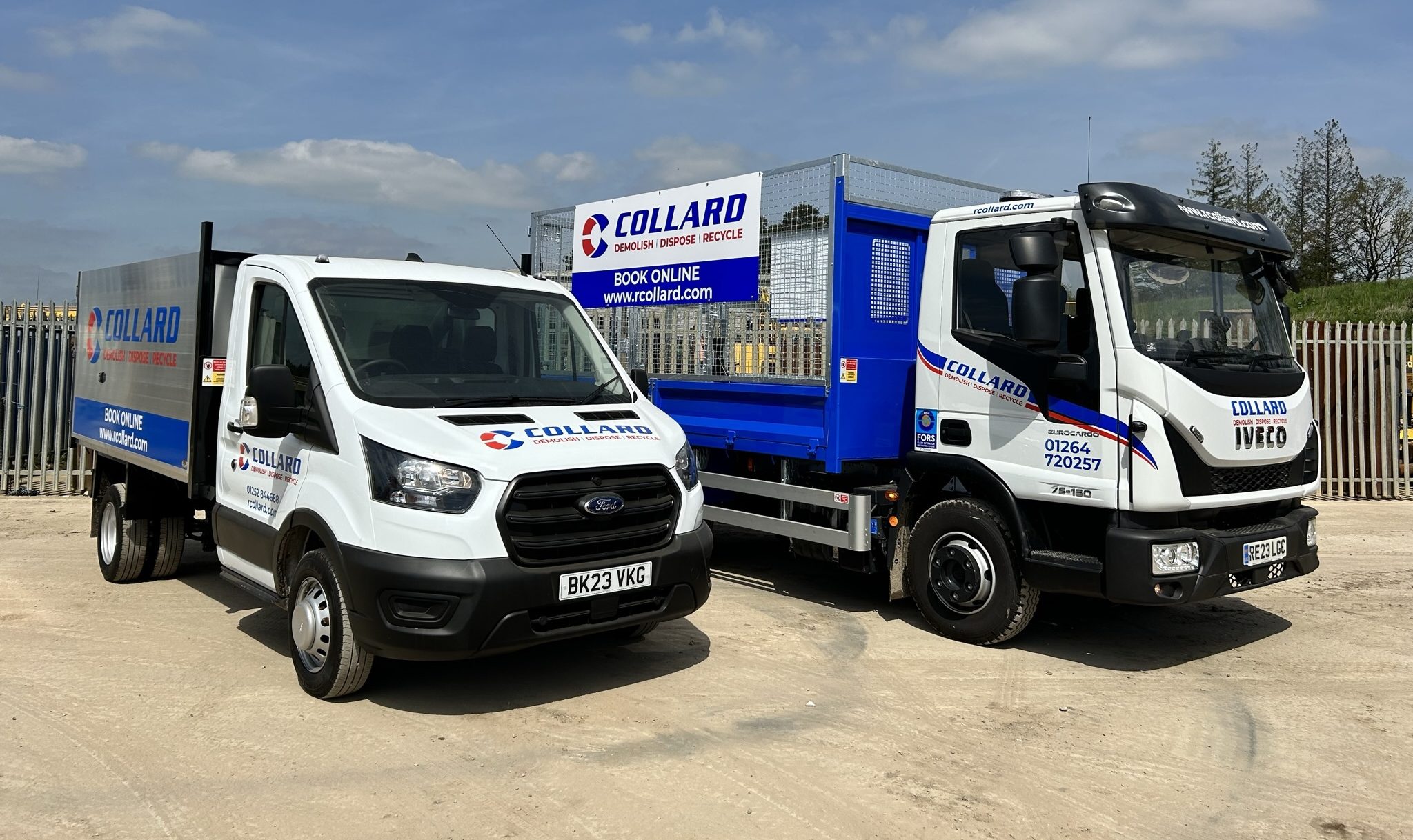
Image: Collard Group
But behind those numbers was a fleet operation that was struggling with limited visibility, manual processes and a growing sense that the business was being held back by outdated technology. After implementing Samsara’s connected operations platform across its car and van fleet, the results have been transformative:
- £2,000 per weeksaved in travel time payments — over £104,000 annually
- 50% reductionin back-office administration hours
- 33% fewer accidentsamong camera-equipped vans
- Insurance claims at a five-year low
- 30% reductionin vehicle and driver downtime
- Van MPG improved by 173%, saving £29,000 on fuel
- Pickup MPG up 27%, saving a further £5,550
“We had limited visibility before”
Before Samsara, Collard’s tracking system for cars and vans was basic at best. It could tell you when the ignition was on or off and roughly where a vehicle had been — but not much else. For a non-HGV fleet largely made up of demolition workers operating on sites with poor mobile signal and no internet, the gaps in data were significant.
“The system we had was very hit and miss,” Russell told FleetPoint. “Normally when you wanted to check something because a customer had called in, it wasn’t working or the signal was poor. Most of our van drivers are on demo sites — there’s no internet, and unless it could connect, you had limited visibility of where they were or had been.”
The biggest pain point was payroll. With no reliable way to verify driver journeys and travel time, the company was relying on drivers’ own estimates — and the admin burden was crippling.
“It was taking the poor lady in demo about three days to compile all the data — ringing drivers to confirm their hours, because we had no other proof,” said Russell. “Three days out of someone’s week when she works Monday to Friday — that’s huge, and all the while, she’s being chased by payroll for the data, but she can’t get hold of drivers who are on sites with no signal.”
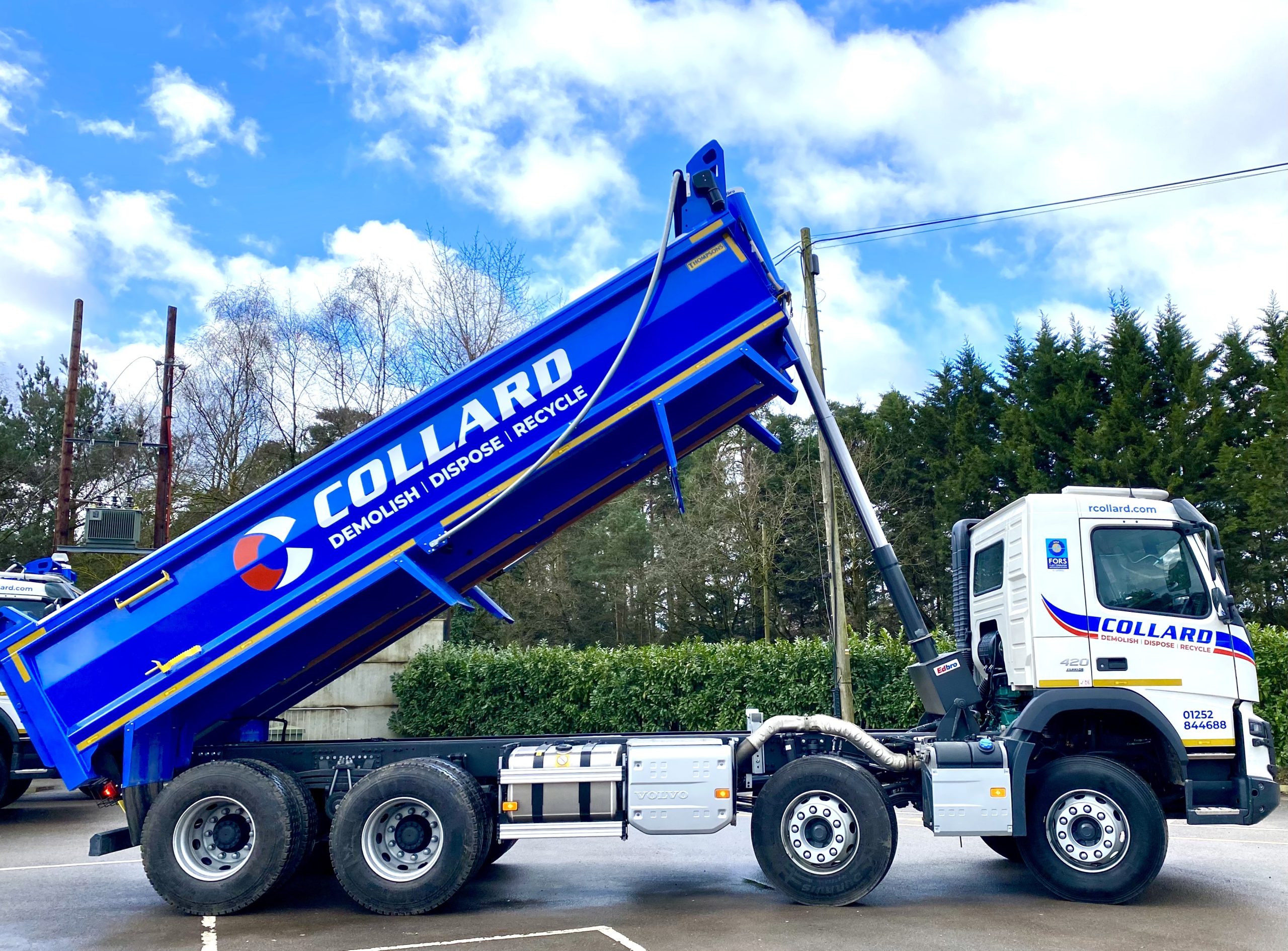
Image: Collard Group
A chance encounter at a FORS conference
Russell first came across Samsara at a Fleet Operator Recognition Scheme event. “I literally walked up to the stand to get my free pens because I love a freebie,” she laughed. “But then I started chatting and they had all the screens showing the AI dash cam features — detecting drowsiness, phone use — and I was like, that’s amazing.”
At the time, Collard was behind the curve on technology. “We didn’t really use anything AI-related. We were quite stagnant in a few of our systems and we needed to move forward. This was a massive step forward for Collard’s.”
Getting the investment signed off was not straightforward. “It’s a step up in cost from some alternatives on the market,” Russell acknowledged. “But we could see the results it was delivering elsewhere, and when you understand what you’re getting for that investment, it just made sense.”
Cutting the payroll headache
Samsara worked with Collard to create a custom integration with Google Maps that uses geo-fencing to calculate travel time precisely from point A to point B. The system automatically generates reports for payroll, eliminating the manual phone calls and guesswork.
The impact was immediate. What previously took three days of administration now takes four to five hours. Monthly phone calls to drivers have been cut by around 20 hours. And the savings are substantial — approximately £2,000 per week in travel time payments alone, thanks to more accurate tracking.
“With the old system, it was not reliable,” said Russell. “Now everything is traceable and in real time.”
Fuel: 10% of turnover, and falling
For a waste management company running heavy vehicles across multiple sites, fuel is a major cost. Russell put it in stark terms: “Fuel is 10% of our overall turnover. That’s a huge outlay.”
Since implementing Samsara, Collard has seen van MPG improve by 173% — delivering savings of over £34,000 despite adding new vehicles to the fleet during the same period.
Russell attributes the improvement primarily to changed driver behaviour. Many of Collard’s van drivers are machine operators by trade — the vehicle is simply a means of getting to site, not their primary focus.
“They’re not drivers as such,” she explained. “For them, the vehicle is just a way to get to the job.”
When Russell ran the fuel analysis, the savings were so significant she could barely believe the numbers. “I must have got three different people to check it because I thought there’s no way we’ve saved that much. And they were like — yeah, that’s right.”
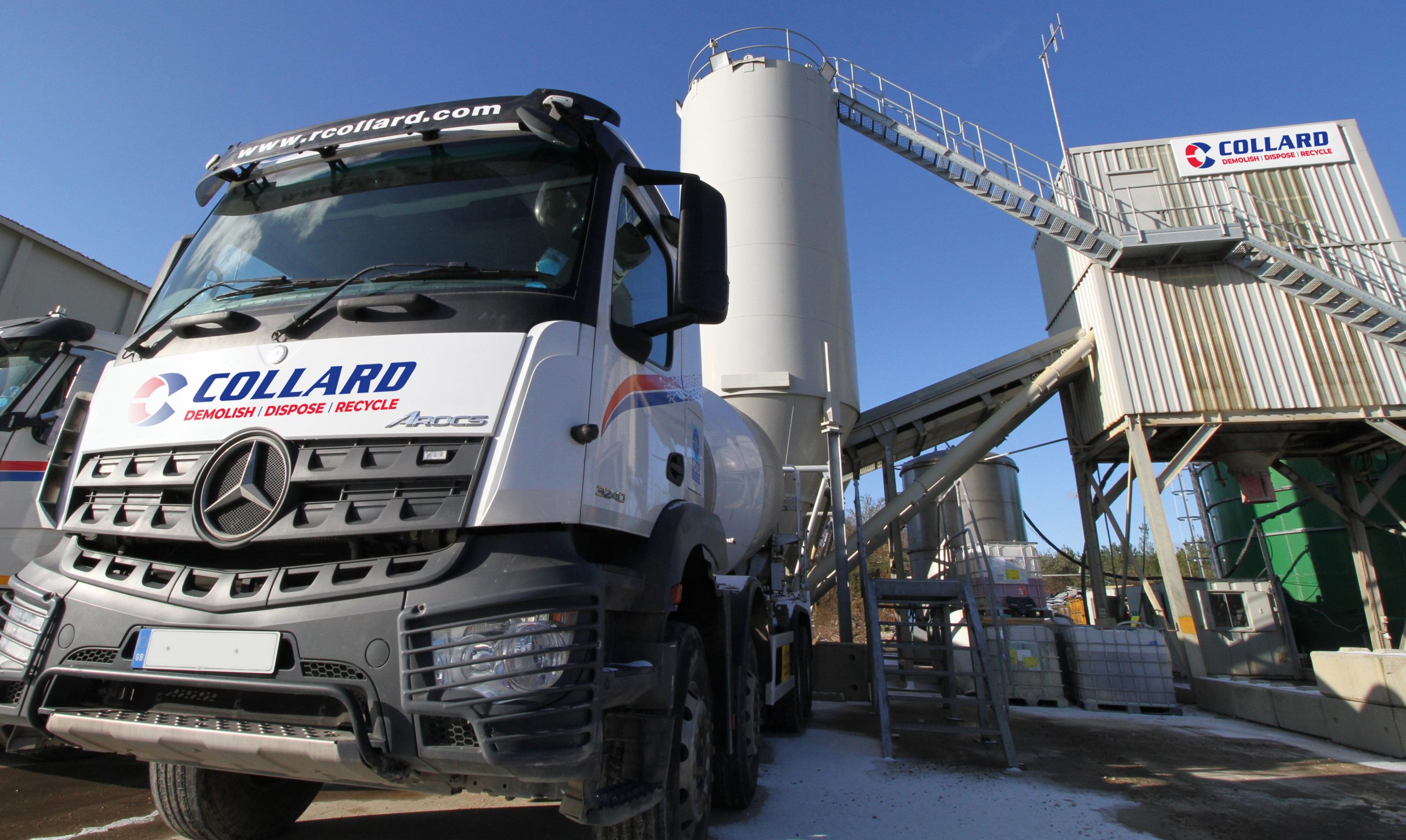
Image: Collard Group
The camera battle — and the moment it turned
Rolling out AI dash cams to the car and van fleet was, by Russell’s own admission, the toughest part of the implementation. While HGV drivers had been using inward-facing cameras for around a decade, extending that to van and car drivers was a different proposition entirely.
“It was a volitile time,” she said. “People were threatening to give their vans back. They thought someone sits here all day watching them. Trust me, in this industry, our days are never the same, but always busy. Unless it comes into our Safety Inbox, we’re not watching.”
Communication proved to be a challenge too. Information was passed to line managers but didn’t always reach drivers before the cameras went live. “Drivers were not happy as they felt uninformed and defensive. We could have been better and we have learnt from this.”
The turning point came when Collard was able to use camera footage to defend a driver against a false complaint from a member of the public. “We looked at the footage and actually, the driver hadn’t done anything wrong. We fed that back and said, good job — we defended you,” said Russell. “Word of mouth got that round and they were like, oh, actually, you’re not using the cameras to beat us with a stick. You’re doing it to help us as well.”
That shift in perception has been the single biggest factor in gaining driver buy-in, Russell believes. “Being able to defend our drivers and show them that they haven’t done anything wrong has been transformative for the internal relationship between the office and drivers.”
From reactive to proactive in the workshop
Samsara’s diagnostic visibility has changed how Collard’s in-house maintenance team operates. Workshop supervisors can now see fault codes and upcoming service requirements before a vehicle arrives, allowing them to pre-order parts and prepare in advance.
The result is a 30% reduction in vehicle and driver downtime — keeping assets on the road and earning revenue rather than sitting idle in the workshop.
Knowing where the assets are
As a waste management operator, Collard has a large number of skips, bins and specialist containers scattered across customer sites. Before Samsara’s Asset Tags, managing these expensive assets was difficult.
“Customers want to keep the containers for a long time and really that’s not cost-effective for us,” said Russell. “We need to know where they are and how long they’ve been on site. On a large site with multiple bins, you just wouldn’t know which container was which.”
The buy-in from operational teams was quick. “They really like it because now they know where all their assets are and how long they’ve been there. It also helps to alleviate the risk of stolen skips etc, as we can trace them in real time.”
Beyond tracking, the visibility has direct revenue implications. “We try not to let our skips stay on sites for more than two weeks, because that’s a product that could have been moved on to a different customer.”
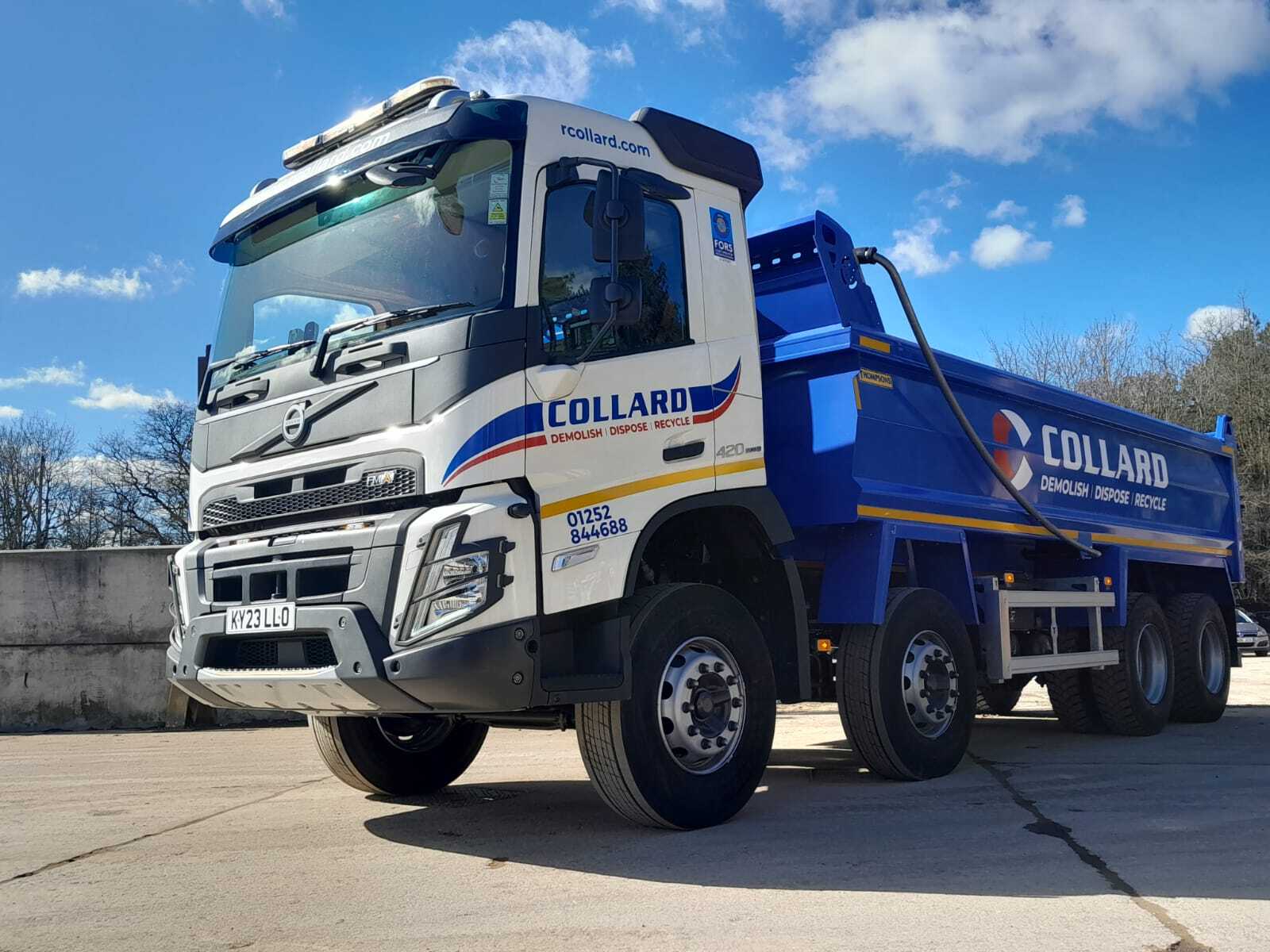
Image: Collard Group
Looking ahead: fuel monitoring, multi-camera HGVs and driver development
Collard Group is far from finished with its Samsara rollout. Several developments are already in progress that Russell expects to deliver further operational and financial gains.
Fuel monitoring is the most imminent. Collard is currently trialling Samsara’s fuel monitoring sensors on their bulk fuel bunkers. “Our Transport Director, Roddy Taylor is very keen,” said Russell. “Rather than getting a delivery of 100,000 litres when we haven’t got the space in the tanks, we can be more specific in what we’re ordering.” The trial extends to mobile fuel tanks on demolition sites, giving real-time visibility of fuel levels across the operation.
Full HGV rollout is underway. Based on the success with cars and vans, Collard is now fitting Samsara to all new HGVs as they enter the fleet. The new installations will include multi-camera 360-degree coverage and real-time verbal alerts to drivers on issues like phone use and fatigue.
“It’ll be another battle because our current systems don’t have the AI capability and vebal prompts,” Russell acknowledged. “But if you don’t move forward, you get left behind. Your stats will show you’re having more accidents, you’re using more fuel which is expensive, so if we can reduce that, that’s more money back into the business.”
Russell revealed that Collard had actually helped to influenced Samsara’s development of multi-camera capability. “When we joined, they only had the inward camera, and we were like, we need 360-degree because of the size of the vehicles and the places they’re going — landfills, building sites as well as the risk. I know that’s something they’ve been working on since, so you’d like to think we’ve had a bit of input.”
Driver training through Samsara’s self-learning platform is also on the roadmap, although Russell conceded the to-do list is never-ending. Getting some drivers to adopt the Samsara driver app remains a cultural challenge — some don’t have an email address and don’t want one — but the direction of travel for Collard Group Ltd is clear.
Collard Group also continues to maintain its FORS Gold accreditation — held for seven consecutive years and one of only around 321 companies nationally to achieve it — along with ISO 14001 environmental management certification.
Advice for other fleet managers
Asked what she would tell other fleet managers considering a similar investment, Russell was direct: “You get what you pay for. It’s not the cheapest AI system on the market, but the results speak for themselves. If it’s going to reduce your fuel spend, your accident rates, and increase your driver skill set by making them more aware of their driving styles, then it’s a no-brainer.”
She added: “It is an investment in our drivers as much as it is in the system. We are trying to keep our drivers safe — and the public, because a 32-tonne truck could be a weapon. We want to do what we can to keep everyone safe.”
Collard Group operates one of Southern England’s largest privately owned waste management fleets, with 280 vehicles across nine depots. For more information, visit collardgroup.com. Samsara’s connected operations platform is used by thousands of fleets worldwide. For more information, visit samsara.com.