
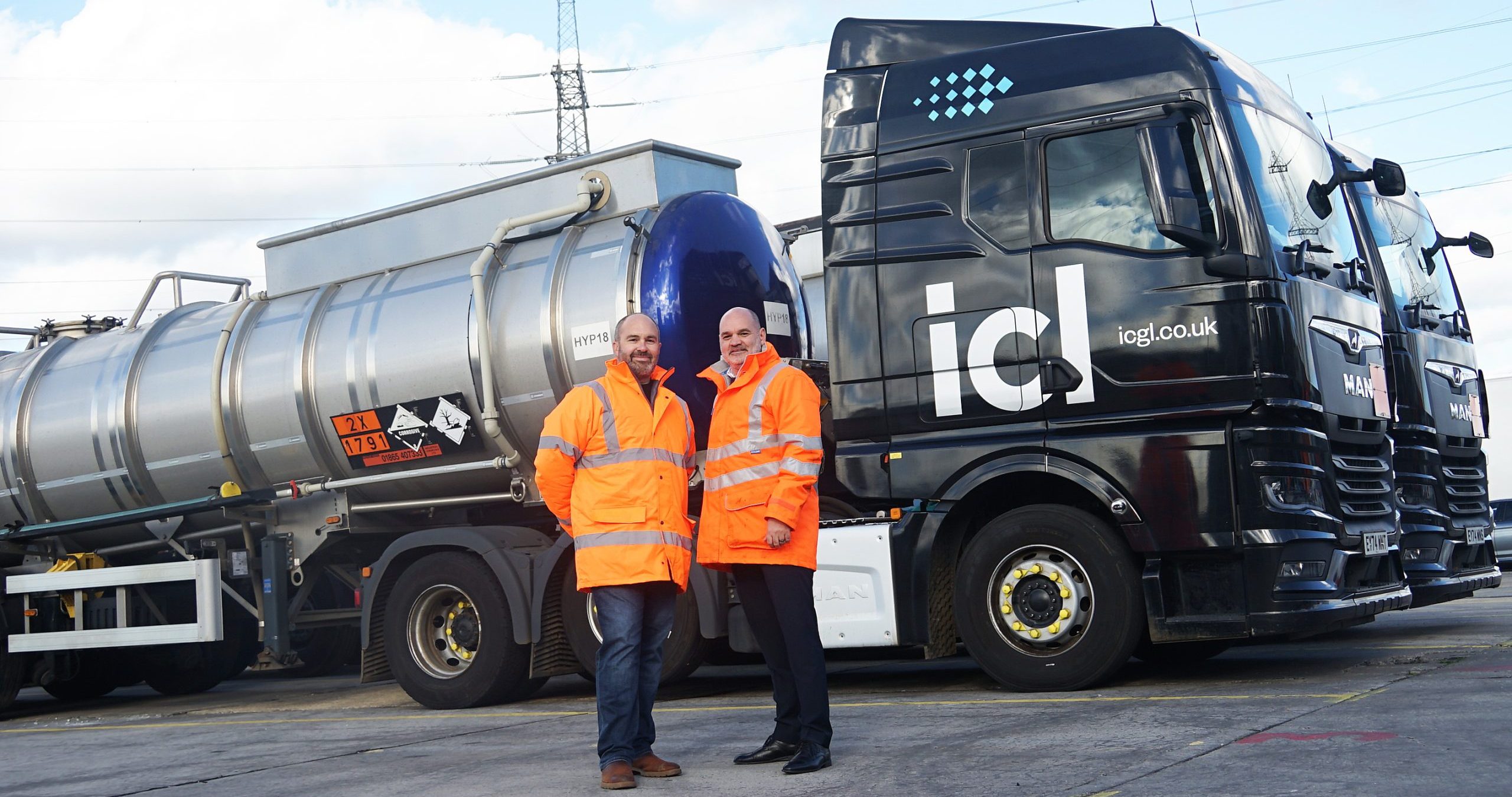
Industrial Chemicals Ltd (ICL), a leading UK chemical manufacturer and distributor, has signed a three-year contract to implement the Engine Carbon Clean (ECC) service across its fleet, following successful trials on a selection of its vehicles.
ECC uses patented on-demand hydrogen generator technology to clean combustion engines internally, removing harmful carbon deposits. Oxyhydrogen gas is introduced directly into the air intake, allowing the engine to absorb the precise amount required. This process significantly improves fuel efficiency and reduces toxic emissions, including CO₂, CO, NOx, and N₂O.
ICL first trialled the technology with empirical testing at the Millbrook Proving Ground in Bedford. After observing measurable improvements in emissions reduction and fuel performance, the company extended trials to one-third of its 90-vehicle fleet based at West Thurrock in Essex. Encouraged by results, ICL plans to deploy ECC across its nationwide operations, achieving over a 7% reduction in both emissions and fuel costs.
Steven Swaby, CFO at ICL, commented: “Over the course of the contract, we expect to see measurable improvements in fuel economy and emission reductions across the fleet. It’s a practical and effective way for us to reduce our carbon footprint while ensuring our logistics remain reliable, efficient and environmentally responsible.”
Ben Kattenhorn, CEO of Engine Carbon Clean (part of Advanced Hydrogen Technologies), added: “The trial results have been very encouraging and delivered tangible improvements – even after just two cleans – but the benefits will increase further with the recommended four cleans per annum. The process continues to optimise energy efficiency, reduce maintenance downtime and extend engine life over time – the more carbon build-up is removed – and also demonstrates the impact that focused and targeted measures like ECC can have on ESG compliance and sustainability.”
With the ECC service, ICL is taking a proactive step towards greener logistics, combining operational efficiency with measurable environmental benefits. The technology not only supports corporate sustainability targets but also strengthens fleet performance and engine longevity.
This leading-edge technology is a powerful force in any decarbonisation toolkit and helping businesses meet their Net Zero targets. Steven Swaby and Ben Kattenhorn explain further in this 90 second video: