

The UK Government’s £1 billion commitment to accelerate the rollout of zero-emission vans and trucks marks a significant step forward for the transport sector. However, according to energy and infrastructure specialist VEV, funding alone will not be enough to deliver fleet electrification at scale.
While the investment targets both vehicle affordability and depot charging, the core challenge facing operators goes beyond cost. The real barrier, VEV argues, is the complexity of integrating electric vehicles into day-to-day fleet operations.

Mike Nakrani CEO of VEV
Mike Nakrani, CEO of VEV, said: “This funding is a positive step, but it doesn’t remove the core challenge facing fleet electrification.
“The issue isn’t ambition or even upfront cost — it’s the complexity of making electric fleets work operationally at scale.
“The focus now needs to shift from funding vehicles to delivering integrated charging and energy solutions that actually work in the real world. At the moment, industry just isn’t seeing that happening.”
As fleets across sectors — from logistics and buses to municipal services and heavy goods vehicles — begin transitioning away from diesel, a common set of operational principles is emerging. Many commercial fleets operate predictable routes and schedules, with vehicles spending extended periods parked at depots between shifts. This downtime creates valuable opportunities for managed charging.
By using smart charging systems, operators can stagger energy demand, reduce electricity costs and minimise strain on local grid infrastructure. Increasingly, depots are evolving into active energy hubs, combining charging infrastructure with on-site renewable generation and battery storage to optimise performance and efficiency.
A strong example of this approach can be seen at Stagecoach Chesterfield depot, where integrated systems support 57 electric buses. The site combines smart charging with solar generation, enabling operators to manage energy costs while improving operational flexibility.
Early fleet electrification projects have also demonstrated the importance of correctly sizing infrastructure. By analysing real-world duty cycles and operational requirements, many operators are discovering they can support more vehicles with smaller grid connections than initially expected — reducing both cost and complexity.
Beyond operational benefits, fleet electrification also has the potential to support the wider UK energy system. Because charging demand can be scheduled and controlled, depots can absorb surplus renewable energy during periods of high generation and reduce demand during peak grid stress.
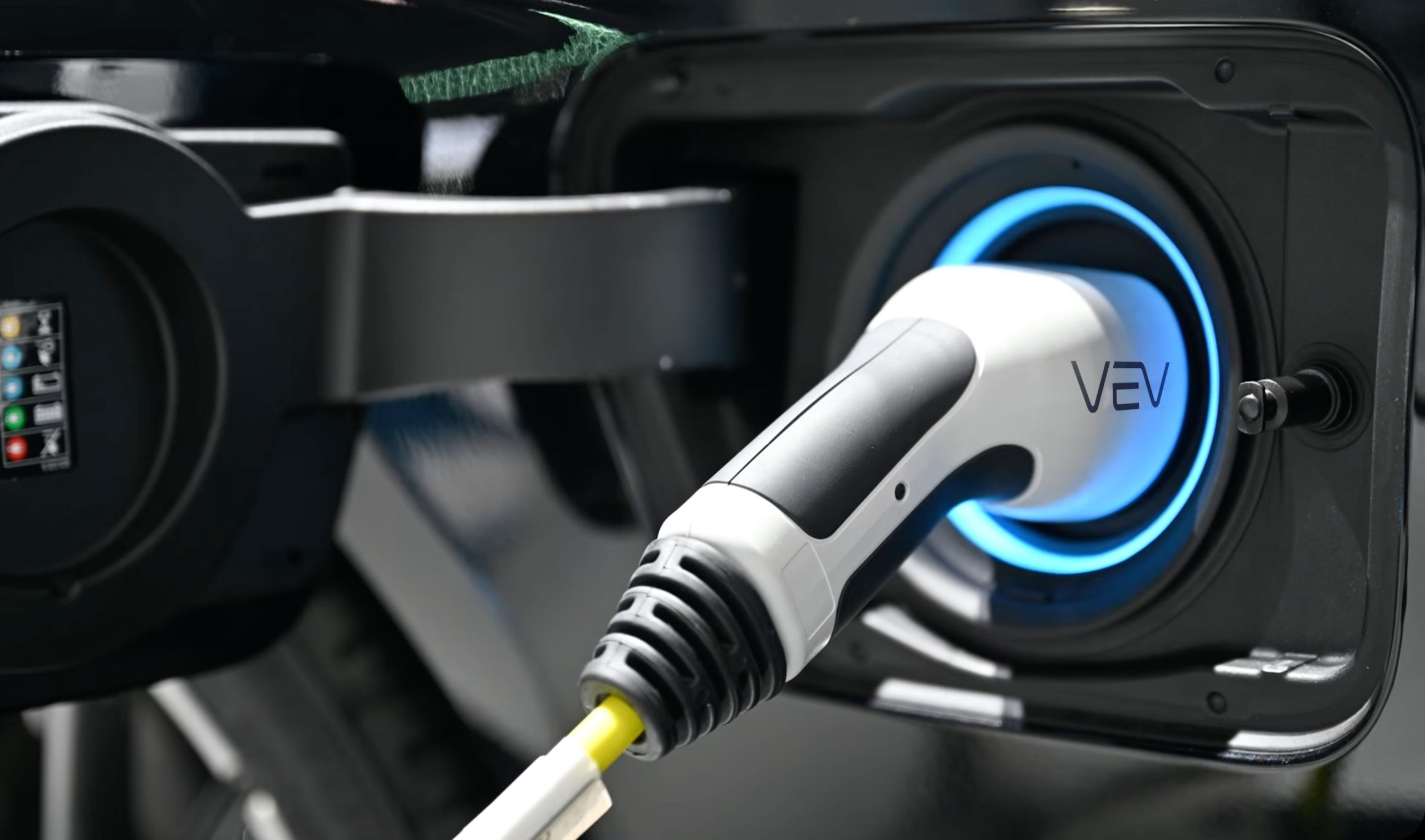
Image: VEV
“As the electricity system becomes more reliant on renewable energy, flexible demand will become increasingly valuable,” Nakrani added. “Commercial fleets are one of the few energy loads that can provide that flexibility at scale.”
Despite rapid progress in vehicle technology and charging hardware, industry experience suggests that the biggest challenges now lie in energy management and infrastructure design. Successfully scaling electrification will require closer collaboration between fleet operators, energy providers and network operators to ensure projects are delivered efficiently.
VEV continues to support this transition through its integrated approach to charging infrastructure and energy systems, underpinned by its VEV-IQ platform, which enables operators to monitor, optimise and manage depot energy usage in real time.
As the UK accelerates towards a zero-emission transport future, the message from VEV is clear: investment is essential, but without smarter infrastructure and energy integration, large-scale fleet electrification will remain a complex challenge.