

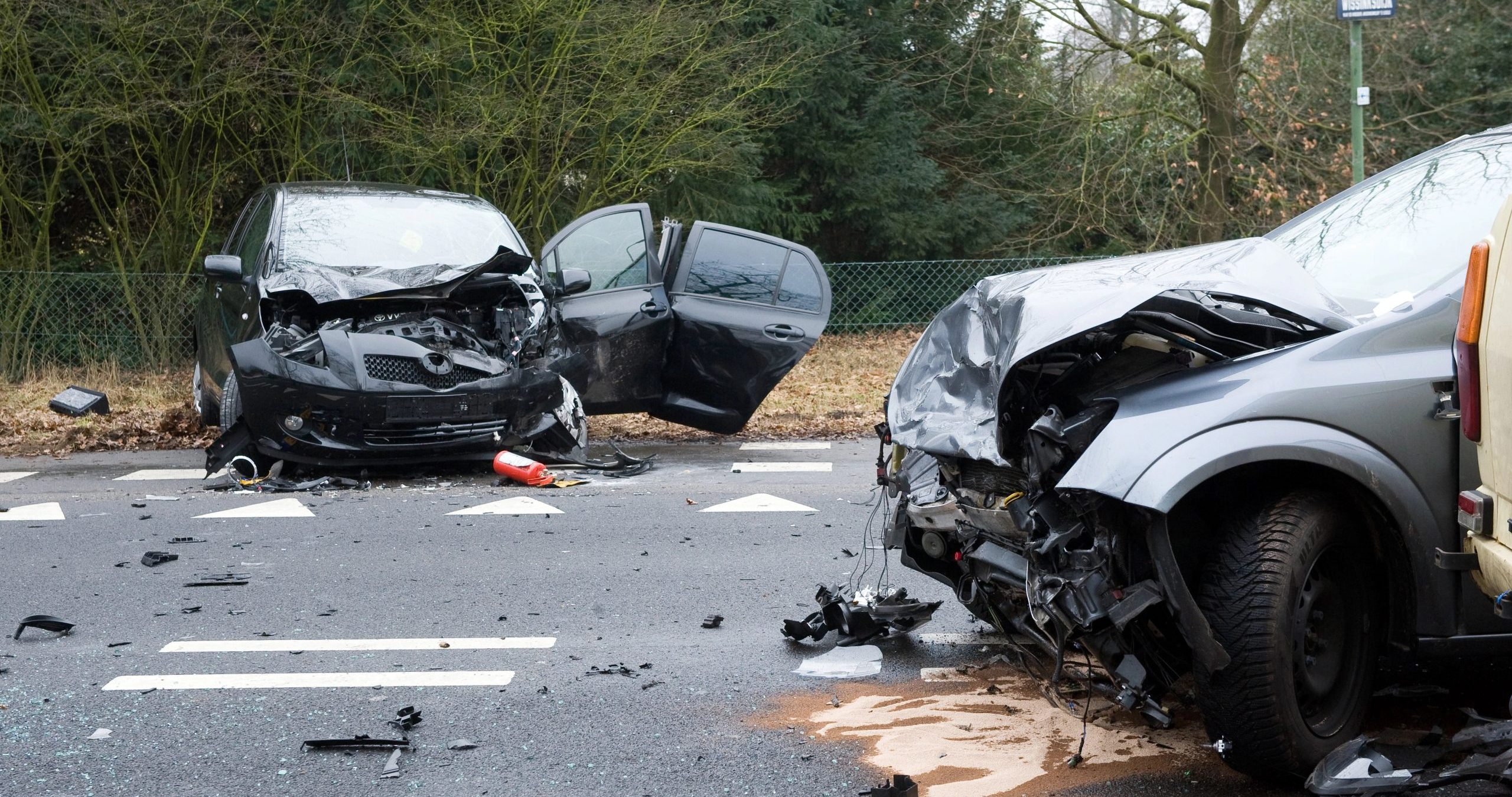
The number of people killed or seriously injured (KSI) in drink-drive collisions in Great Britain has fallen to its lowest level on record, according to the Department for Transport’s latest Reported Road Casualties in Great Britain: Drink-Drive Collisions 2024 statistics. While the figures continue a long-term downward trend stretching back decades, road safety organisations have warned that progress has slowed and called for a new generation of measures to tackle persistent offending.
The latest data estimates that drink-drive collisions in 2024 resulted in the fewest KSI casualties since records began, reinforcing the UK’s significant long-term improvement in reducing alcohol-related road deaths and injuries. Overall, the statistics show that drink-driving remains a major contributor to road casualties, but one that has declined dramatically since the late 1970s thanks to tougher laws, enforcement and sustained public awareness campaigns.
Despite the encouraging trend, campaigners argue the pace of improvement has flattened over the last decade, with annual fatalities remaining above 200 for many years.
Hunter Abbott, Managing Director of personal breathalyser firm AlcoSense Laboratories, said: “Britain has made enormous progress since the late 1970s. Drink-drive deaths have fallen by 87% and countless lives have been saved.
“However, the total number of people killed has remained stubbornly above 200 for the past decade.
“The evidence suggests we’ve reached the point where the measures that transformed road safety over the last forty years are delivering diminishing returns.
“If we want to prevent more families receiving that devastating knock on the door, we now need the next generation of road safety measures to drive these figures down even further.”
Government reviewing drink-drive laws
The publication comes as the Government prepares its new Road Safety Strategy, with ministers considering whether to reduce the legal alcohol limit in England and Wales from 80mg to 50mg of alcohol per 100ml of blood. Scotland has operated the lower limit since 2014, bringing it into line with most European countries.
Abbott believes lowering the legal threshold should be accompanied by wider reforms.
“Lowering the legal alcohol limit would help identify more impaired drivers before they cause a collision.
“But it shouldn’t be seen in isolation. A lower limit, stronger enforcement, wider use of roadside breath testing and continued public education all have a role to play.
“Some people assume that reducing the legal limit to 50mg means that amount of alcohol is somehow ‘safe’. It isn’t.
“Scientific evidence shows that even at 50mg, a driver is still around five times more likely to be involved in a fatal crash than someone who has had nothing to drink.
“A lower limit isn’t about redefining what is safe. It’s about intervening earlier, discouraging people from taking the risk in the first place and preventing more collisions.”
He also stressed that any legislative changes would only succeed if backed by stronger policing.
“Changing the law is one thing. Enforcing it is another.
“Home Office figures published last week showed the number of officers working in specialist Traffic Units has fallen by around a quarter over the past decade.
“If drivers don’t believe there’s a realistic chance of being stopped and tested, the deterrent effect of any law is inevitably reduced.
“The first generation of drink-drive laws transformed public attitudes and saved thousands of lives. The challenge now is to build on that success with the next generation of road safety measures.”
Wider road safety picture
The drink-drive figures were published alongside wider road casualty data showing that overall road deaths remain comparatively low by historical standards, although improvements have slowed significantly over recent years. Final 2024 road casualty statistics recorded 1,602 fatalities and 29,467 people killed or seriously injured across Great Britain, both marginally lower than in 2023.
More recent provisional figures for 2025 show 29,918 people were killed or seriously injured on Britain’s roads, including 2,432 children, underlining the scale of the challenge facing the Government’s ambition to reduce deaths and serious injuries by 65% by 2035.
Rebecca Guy, Senior Policy Manager at RoSPA, said:
“Today’s road casualty statistics show that while progress is being made in reducing road deaths, we are not yet seeing the reductions in deaths and serious injuries needed to meet the ambitions of the Government’s new Road Safety Strategy.
“In 2025, 29,918 people were killed or seriously injured on Great Britain’s roads, including 2,432 children. Both figures are 3% higher than the 2022–2024 baseline against which progress towards the Government’s targets of reducing deaths and serious injuries by 65%, and child deaths and serious injuries by 70%, by 2035 will be measured.
“RoSPA is particularly concerned by the 14% increase in motorcyclist fatalities, from 325 deaths in 2024 to 372 in 2025. Motorcyclists remain one of the most vulnerable groups on our roads, and these figures reinforce the need for targeted action to improve rider safety.
“It is also concerning that speed, drink and drug driving, failing to wear a seatbelt and mobile phone distraction continue to be factors in nearly two-thirds of fatal collisions.
“These are well-established, preventable risks, and tackling them must remain a priority if we are to deliver the significant reductions needed in deaths and serious injuries on our roads.”
Calls for alcohol interlocks
The RAC welcomed the continued fall in KSI casualties but warned that drink-driving remains responsible for devastating consequences every day.
RAC Head of Policy Simon Williams said: “The estimated number of people killed or seriously injured by drink-drivers may have dropped slightly year-on-year, but it’s a different picture over the last 10 years; little has changed and we must redouble our efforts to tackle this crime that wrecks so many lives. On average, four people die or are inflicted with serious injuries on the UK’s roads as a result of drink-drivers every single day, which should be a clear wake-up call to policymakers.
“It’s also the case that while estimated fatalities may have dropped a little, drink is responsible for an increasing percentage of these collisions. We also know a proportion of these will be repeat offenders for whom the current bans have little to no effect. So, it’s clear there needs to be a new approach to tackling habitual, high-risk drink-drivers, and urgently.
“Drinking and driving is a deliberate act and we implore the Government to use its current focus on road safety to mandate the use of alcohol interlocks – which prevent drink-drivers from even being able to start their vehicles – to cut reoffending. We have demonstrated this technology to the road safety minister and to MPs, and international evidence shows it works in cutting casualties.”
Alcohol interlocks, sometimes known as alcolocks, require drivers to provide a breath sample before a vehicle can be started. They are already used in several countries as part of rehabilitation programmes for convicted drink-drivers and are among the measures being considered as part of wider road safety reforms.
Long-term success, but more work ahead
The latest figures reinforce that Britain remains one of the safest countries in the world in terms of road safety, with drink-drive casualties dramatically lower than four decades ago. However, experts across the road safety sector agree that future improvements are unlikely to come from existing measures alone.
As ministers finalise the forthcoming Road Safety Strategy, proposals including a lower legal alcohol limit, wider roadside breath testing, stronger police enforcement and mandatory alcohol interlocks for repeat offenders are all likely to feature prominently in the debate.
With drink-drive KSI casualties now at their lowest recorded level, the challenge for policymakers is no longer proving that intervention works, but identifying the next steps needed to reduce the human cost of drink-driving even further.