
Nissan’s Sunderland factory could soon become the first major UK automotive plant to manufacture vehicles for a Chinese carmaker, following the signing of a non-binding Memorandum of Understanding (MoU) between Nissan and Chery International UK. The agreement will explore the possibility of Chery using Nissan’s currently idle Line One production facility, potentially from the 2027 financial year.
The proposed partnership reflects significant changes taking place across the global automotive industry. With Chinese manufacturers rapidly increasing their presence in Europe and established carmakers seeking ways to maximise factory utilisation, the deal could offer substantial benefits for both companies while helping safeguard jobs in the UK.
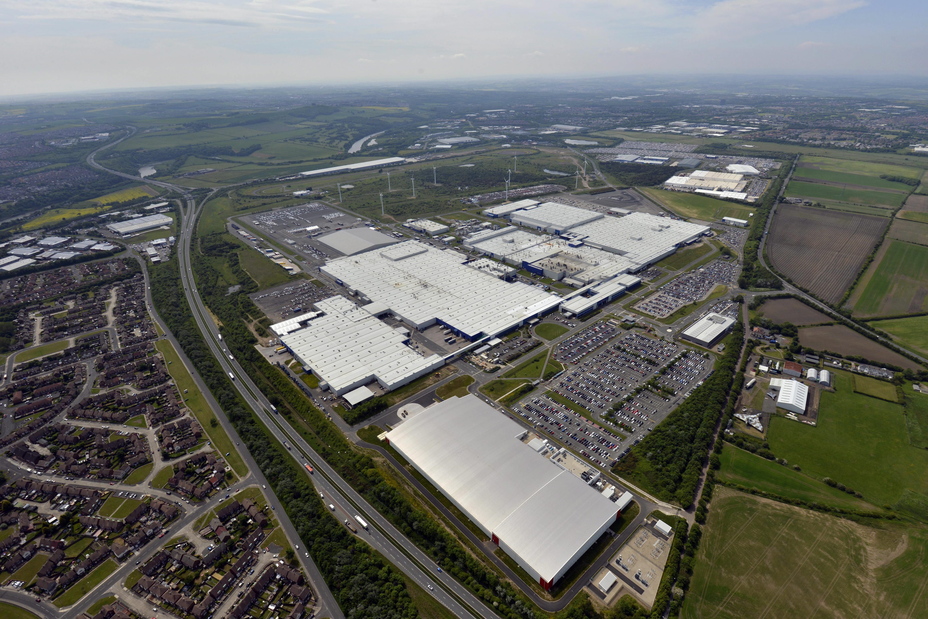
Nissan Sunderland Plant. Image: Nissan
Why Nissan Is Considering Building Chery Vehicles
The primary reason behind the proposal is Nissan’s need to improve utilisation at its Sunderland plant. In May, Nissan announced plans to consolidate production of its own vehicles onto Line Two, leaving Line One available for alternative manufacturing opportunities. The move forms part of a wider restructuring programme designed to improve efficiency and reduce costs across the company’s global operations.
By producing vehicles for Chery, Nissan would be able to generate additional revenue from existing facilities without investing in a new production line. Importantly, the Sunderland site would remain fully owned by Nissan and all employees would continue to be employed by the Japanese manufacturer.
Massimiliano Messina, Nissan’s chairperson for Africa, the Middle East, India, Europe and Oceania, said: “This is an important step forward for our operations.
“We are looking forward to working with Chery International UK in the coming months to finalise a position that is optimal for both companies.”
Why Chery Wants a UK Manufacturing Base
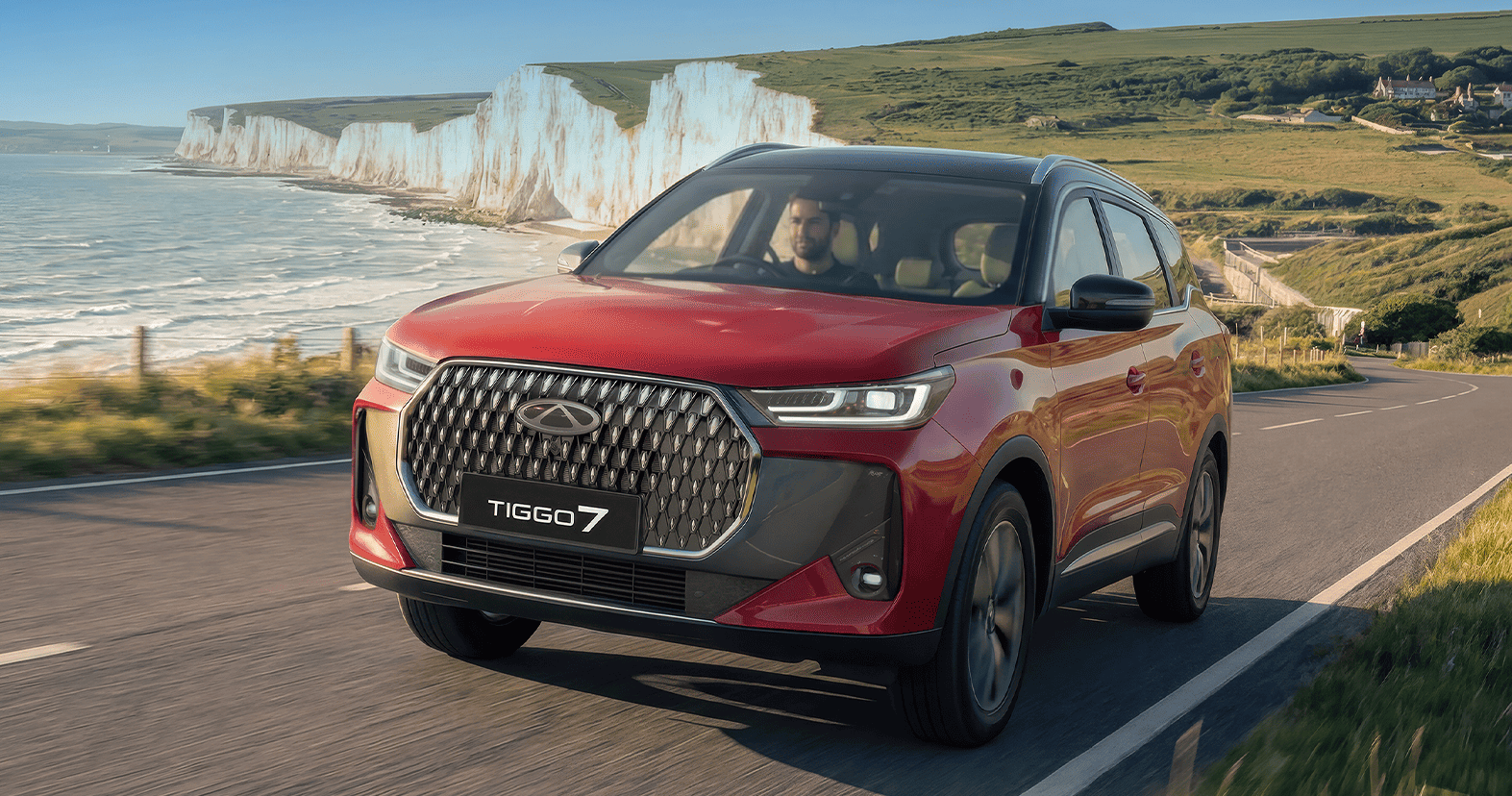
For Chery, the attraction is equally clear. The Chinese automotive giant has enjoyed rapid growth in the UK through its Omoda and Jaecoo brands, which have become increasingly visible on British roads. Establishing local production would strengthen its position in the market, shorten supply chains and reduce dependence on imported vehicles.
The company is part of a wider trend among Chinese manufacturers seeking production capacity in Europe as they expand internationally. Industry analysts note that local manufacturing can help manufacturers respond more quickly to market demand while reducing logistics costs and exposure to trade barriers.

Image: Chery International UK
If the agreement proceeds, Sunderland could produce vehicles for brands such as Omoda and Jaecoo, although neither company has confirmed which models could be built in the UK.
A Boost for Sunderland and the UK Automotive Industry
The proposal has been welcomed by trade unions and industry observers as a positive development for UK manufacturing.
Unite union national officer Steve Bush said it was very good news for Nissan’s Sunderland workers and the UK’s automotive industry in general at a time of uncertainty for the sector.
“Chinese vehicles are increasingly visible on British roads so it makes sense for UK workers to build them here as well.”
Bush also highlighted the importance of government support for the industry’s long-term future.
“To ensure the UK auto sector’s future remains a positive one, Unite is working with industry and government on reforming the ZEV mandate. Without this, car production volumes will be kept artificially low.”
Unite also said that it’s collaborating with the Government to reform the ZEV mandate, warning that failure to act will constrain future UK car production volumes.
The Sunderland factory employs around 6,000 people and remains the UK’s largest car manufacturing plant. Industry experts believe that securing additional production volumes could help protect jobs and improve the plant’s long-term viability at a time when many European factories are operating below capacity.
What Happens Next?
The agreement remains non-binding and discussions between Nissan and Chery are ongoing. However, both companies have signalled their intention to examine the proposal in detail over the coming months. If a final agreement is reached, production of Chery vehicles at Sunderland could begin during the 2027 financial year.
The partnership would represent a landmark moment for the UK automotive sector, bringing together one of Britain’s most important manufacturing plants and one of China’s fastest-growing automotive groups. At a time when the industry is navigating electrification, global competition and regulatory change, the deal demonstrates how collaboration may become increasingly important in securing the future of vehicle production in the UK.