
1stinrail has successfully completed an engine carbon clean (ECC) trial across a section of its repair, installation and maintenance fleet, achieving significant reductions in fuel consumption and harmful emissions.
The trial, carried out in partnership with Advanced Hydrogen Technology Group and rail consultancy specialist K2C Rail, demonstrated how hydrogen-powered engine cleaning technology can improve engine efficiency while supporting wider sustainability goals within the transport and rail sectors.
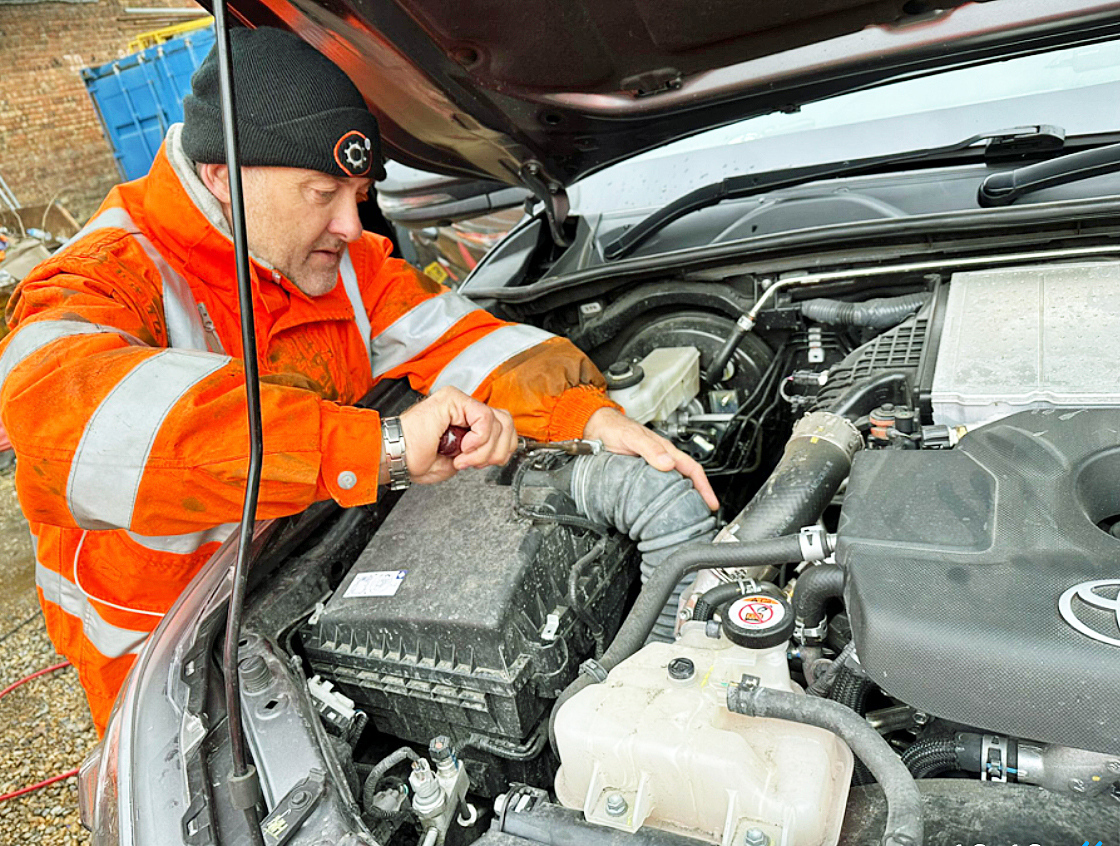
Image: 1stinrail
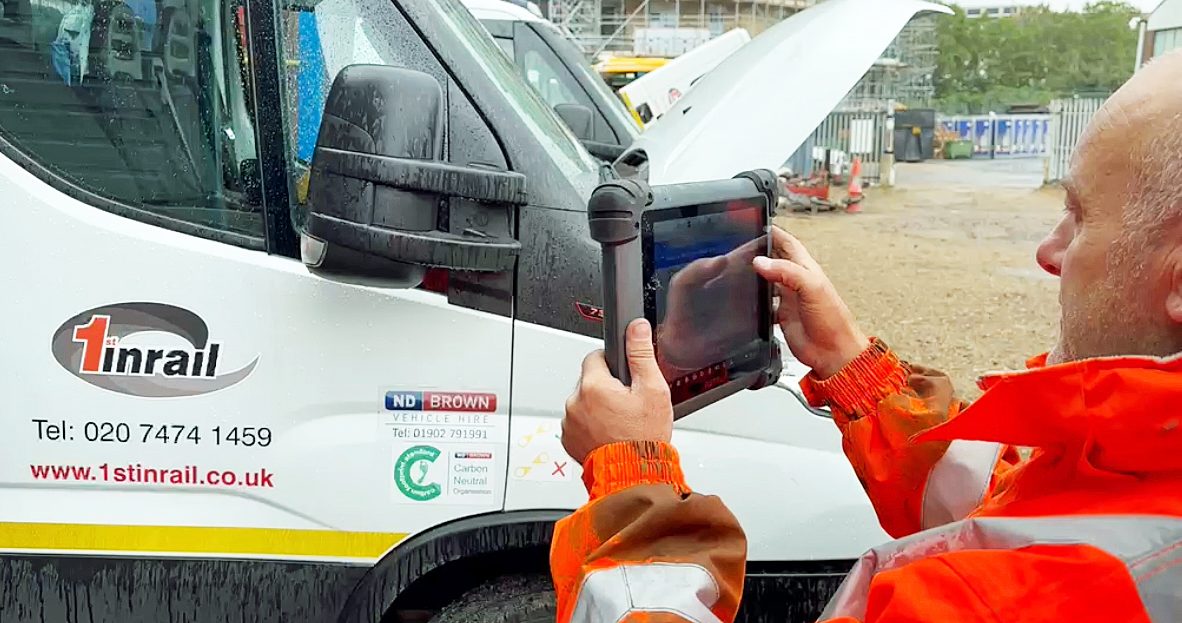
ECC uses patented on-demand hydrogen generator technology to remove carbon build-up inside combustion engines. Hydrogen is fed into the engine’s air intake system, allowing the engine to draw only the amount required. The process helps improve fuel efficiency while reducing emissions including CO₂, carbon monoxide, nitrogen oxides and nitrous oxide.
The four-month trial involved 25 vans and tippers operated by 1stinrail, part of the RSK Group. The vehicles support maintenance and infrastructure works across the Transport for London rail network, particularly the London Underground, where engineering teams work within tight overnight access windows.
Vehicles operating from the company’s Silvertown depot in London underwent four periodic engine cleans during the trial. The results showed an average reduction of 15 per cent in both fuel consumption and CO₂ emissions across the fleet.
Following the successful outcome, 1stinrail plans to introduce the ECC service across its entire fleet of 140 vehicles, with wider deployment expected throughout the RSK Group.
Stephen Jackson, Managing Director at 1stinrail, said: “We had hoped for figures that showed a saving in fuel, and therefore CO2 emissions, ranging from 7 to 10%, so to receive confirmation that we had achieved an average reduction of 15% was a very pleasant surprise. Also, the initiative directly supports both our own and RSK Group’s environmental targets, plus the decarbonisation KPIs of TfL, which are further aligned with the net zero aims of the Mayor of London.
“What attracted us to the ECC process initially is it’s a quick win (available straight away) that measurably takes us forwards in the Group’s aim to reduce absolute Scope 1 greenhouse gas emissions by 50% by 2030. It’s a simple and non-intrusive solution that’s easy to deploy and most importantly the saving in fuel more than offsets the cost of the engine cleaning and basically provides a cost-free carbon reduction process.”
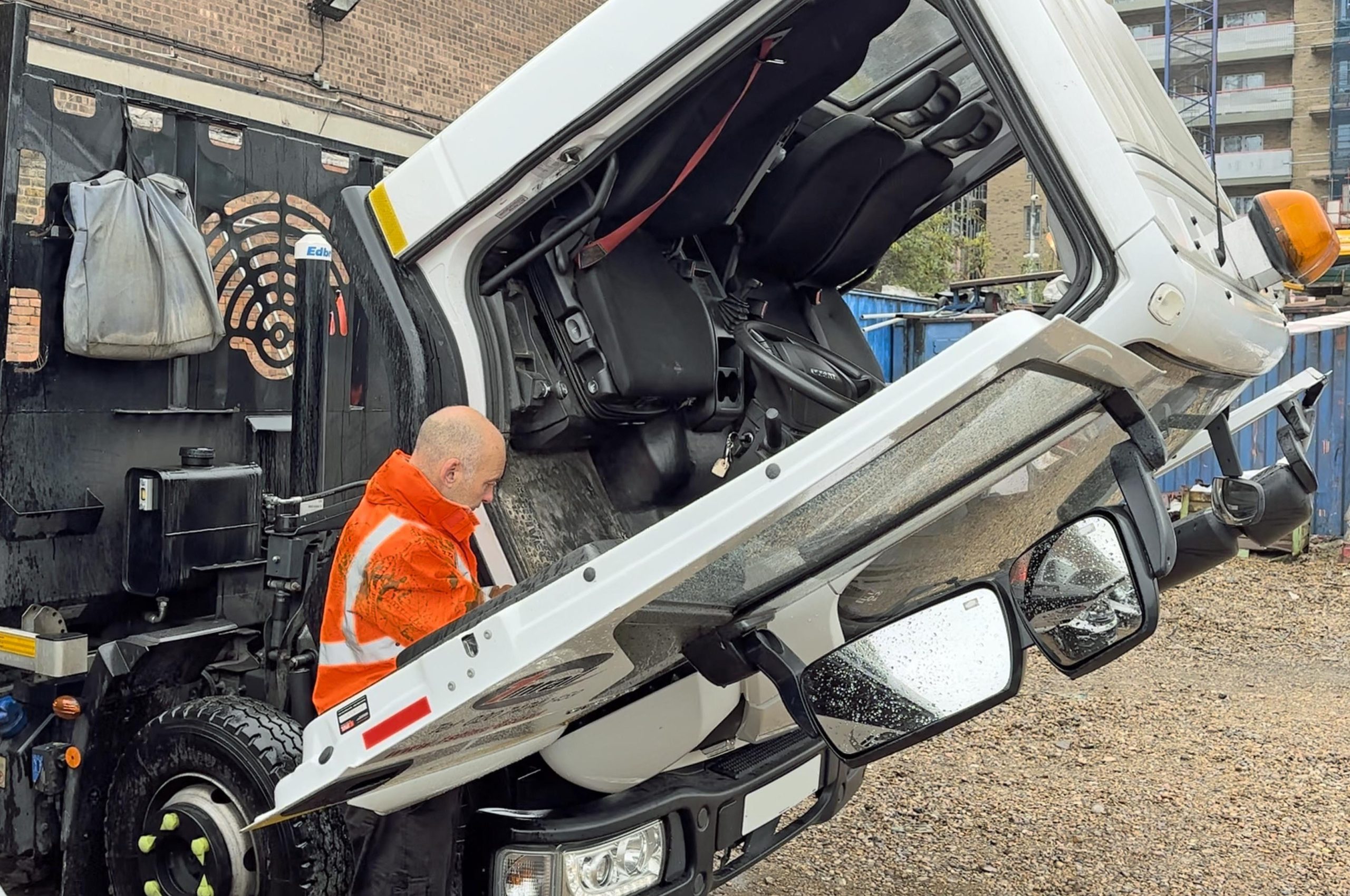
Image: 1stinrail
Ben Kattenhorn, CEO of Engine Carbon Clean said the partnership with K2C Rail ensured the service could be delivered efficiently within the operational demands of the rail industry.
“Working closely with K2C Rail to deliver this increasingly vital service means the ECC team are fully aware of industry procedures, so it’s a slick and BAU service. Rail is one of the sectors most under scrutiny, but ECC offers an immediate solution – also restoring engine efficiency and power, extending the lifespan of vehicular assets and fully aligning with circular economy protocols and the new ESG compliance requirements of the International Financial Reporting Standards mandate.”
Chris Kearns, Operations Director at K2C Rail, added: “We’re delighted to be part of their net zero journey, because apart from TfL, 1stinrail are the engineering partner of choice for Network Rail and multiple Tier 1 contractors. Decarbonising operations and supply chain and making the network more sustainable are now prerequisites for business success and our ability to mobilise reliably and consistently is tangibly helping 1stinrail deliver both planned and reactive support for TfL, 24 hours a day and 365 days a year.”
The trial highlights how low-disruption technologies such as engine carbon cleaning can help transport and infrastructure businesses reduce emissions and improve efficiency while transitioning towards long-term net zero targets.