

Lightfoot has streamlined the installation process for its driver coaching devices, enabling fleets to respond more quickly to rising fuel costs and ongoing supply pressures.
With fuel prices once again climbing and uncertainty affecting supply, the company has re-engineered its technology into a ‘plug and play’ solution. This allows fleets to deploy the system rapidly, without the need for specialist installation or engineering support — a critical advantage when cost pressures are intensifying week by week.
The financial case for fast action is clear. Based on average annual mileage of 13,500 miles per vehicle and diesel priced at 145p per litre (excluding VAT), annual fuel costs can reach £3,560 per vehicle. With fuel card prices rising by a further 10p to 16p per litre, the pressure on fleet budgets is increasing. Lightfoot’s technology, which delivers average fuel savings of up to 15%, can reduce costs by around £534 per vehicle each year. For a fleet of 200 vehicles, that equates to potential annual savings of more than £106,800 — a figure that will rise further if fuel prices continue to increase.
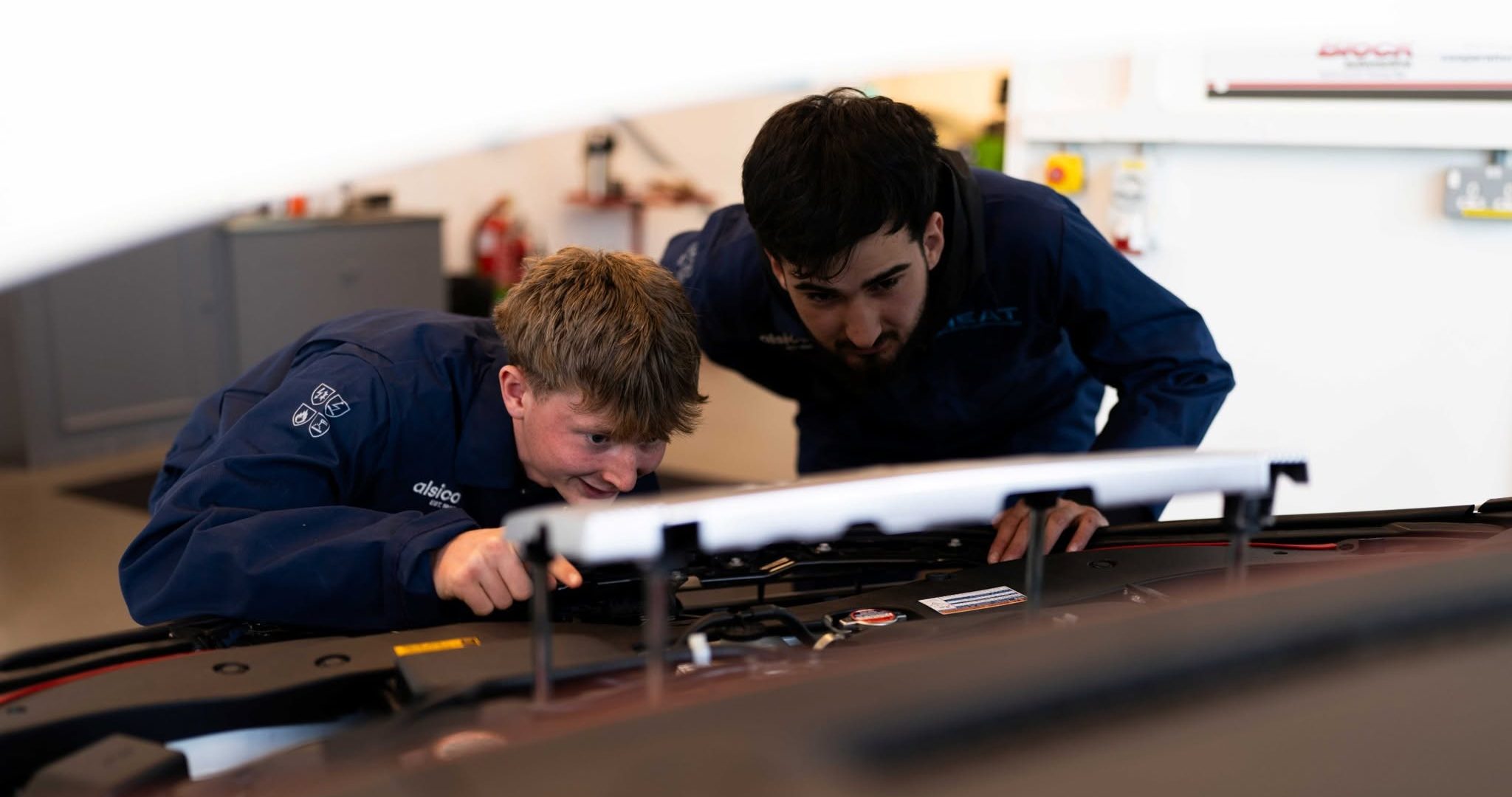
Previously, installation often required wiring into the ignition system, including soldering, which could delay deployment. The updated process removes this barrier, allowing the device to be plugged directly into the vehicle’s OBD port. This significantly reduces installation time and enables fleets to prioritise high-consumption vehicles first, rolling out the technology in a way that best suits their operations.
Beyond hardware improvements, Lightfoot continues to manage system setup and connectivity, ensuring a smooth transition for customers. Once installed, the device begins delivering immediate benefits by monitoring driving behaviour in real time and guiding drivers to operate within the engine’s most efficient range.
The system collects data directly from the engine, including throttle input, engine load and speed, analysing driver performance continuously. It then provides instant feedback through in-cab audio and visual alerts, helping drivers maintain optimal efficiency and reduce unnecessary fuel consumption.
Complementing the device is the Lightfoot InsightHub platform, which gives fleet managers real-time access to performance data. This includes fuel savings, driver efficiency scores and consumption trends from the moment devices are activated. The platform also supports ESG reporting, helping businesses meet growing environmental and sustainability requirements.
David Savage, Chief Revenue Officer at Lightfoot, highlighted the urgency facing operators: “Consumer panic buying at fuel stations is adding further strain to supply, making it even more critical for working fleets to maximise every litre of fuel.
“Fleet managers have lived through Covid supply shocks, the Ukraine crisis and now escalating conflict in the Middle East. Every one of those events has moved the dial on fuel prices. The question for fleets is no longer whether the next disruption is coming – it is whether they are prepared for it when it does.
“With faster installation, fleets can act tactically, identifying their most at risk vehicles and drivers based on fuel consumption and volume, with the process taking just a few simple steps.”
Once deployed, the system helps drivers maintain the engine’s ‘sweet spot’, improving fuel efficiency almost immediately. This real-time coaching approach ensures that savings are not only achievable but sustainable across the fleet.
“When forecourts are running dry and prices are climbing, working fleets cannot afford to waste a drop of fuel,” Savage added.
“Lightfoot was designed for exactly this kind of environment – a world where fuel price stability is the exception rather than the rule. Our technology gives drivers the real-time guidance they need to get the most from every litre, and our installation process means fleets can be up and running in days, not weeks.”
As fuel price volatility continues to challenge the transport sector, Lightfoot’s simplified deployment and proven efficiency gains offer fleets a practical way to reduce costs, improve performance and strengthen resilience in an unpredictable market.