HyHaul Mobility has ended its Zehid HyHaul project, scrapping plans for a £14m hydrogen HGV corridor along the UK’s M4 after failing to secure sufficient binding customer commitments, which led to funding being withdrawn.
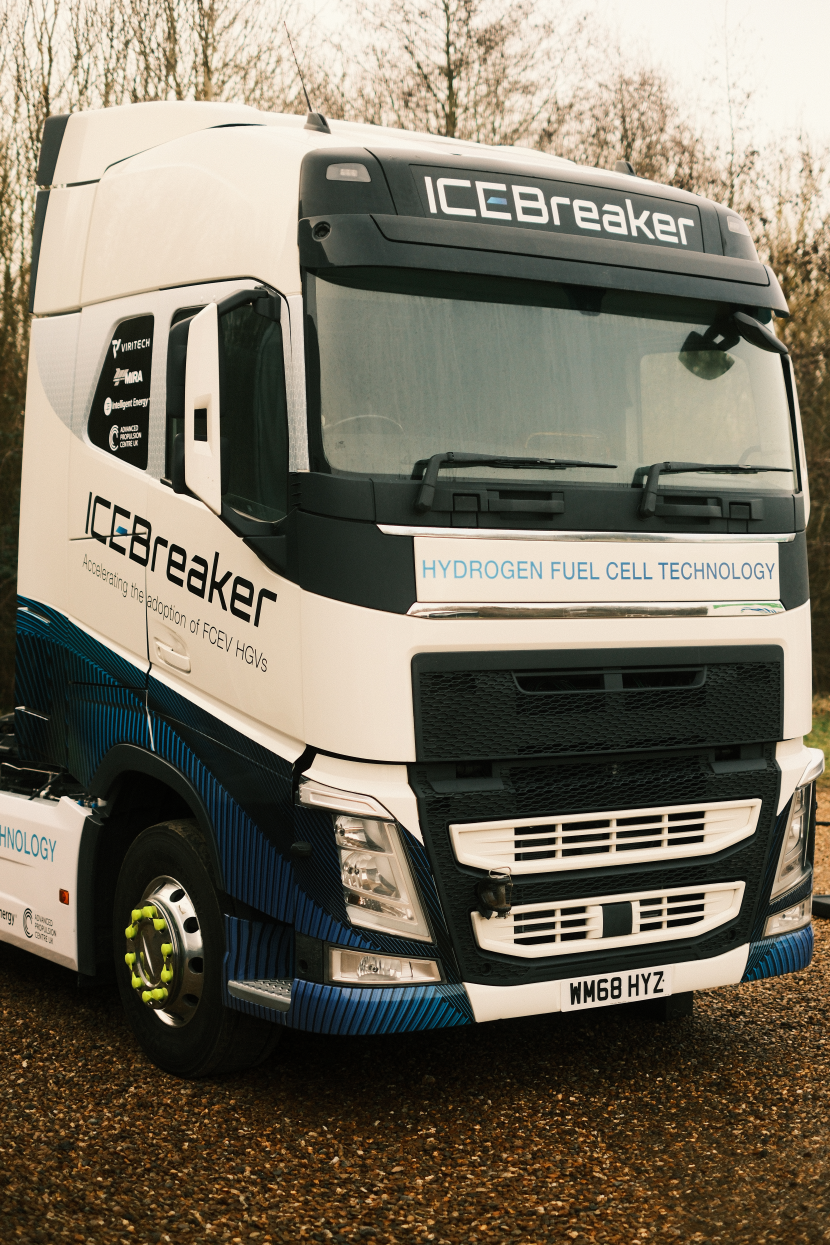
Image by Frame Twenty Four Photography
Statement from Kyle Arnold, MD, HyHaul Mobility Limited:
It is with regret that we announce the closure of the ZEHID HyHaul project. Although substantial progress was delivered across four of the programme’s five work packages, the project was unable to secure sufficient customer commitments for fuel cell heavy goods vehicles and thus did not meet the milestones for this work package. As a result, Innovate UK and DfT have ended a key grant, bringing the programme to an end.
The grant included five work packages:
- Programme Management
- Customer and Fleet Leasing
- Hydrogen Refuelling Infrastructure
- Data and Digital
- Exploitation.
HyHaul Mobility successfully met expectations on all, except the Customer and Fleet Leasing work package. Despite considerable effort from the consortium, Novuna was unable to obtain the required number of signed customer agreements needed to progress with fuel cell HGV orders. It is also important to note that this signature shortfall was influenced by the fixed timelines attached to the grant, rather than a general market reluctance toward zero-emission technologies. This shortfall was the determining factor in the grant’s termination.
Since the start of the programme, over 100 potential customers were engaged, totalling 192 trucks, representing more than 25% of the UK’s 44-tonne HGV market. Multiple customers signed Letters of Intent, Memorandums of Understanding, and letters of support.
However, broader market conditions, including diesel price parity and the phased readiness of large-scale green hydrogen adoption, prevented these commitments from translating into signed contracts within the grant timeline. These pressures were not unique to hydrogen: the wider energy-transition sector has faced significant headwinds over the past 18 months, including delays and cancellations in major BEV projects, which also affected confidence and decision-making across the whole zero-emission HGV landscape.
HyHaul Mobility’s efforts successfully proved how to combine green hydrogen infrastructure, supply, and vehicle solutions to create the most comprehensive and competitive hydrogen HGV programme in UK history. Together with our consortium partners, we have shared critical insights into market readiness, infrastructure requirements, and customer behaviour that will guide future decarbonisation initiatives.
We remain grateful to IUK and DfT for their unwavering support and guidance throughout this ambitious programme.
Finally, I would like to extend my sincere thanks to our employees and supply chain partners for their dedication, professionalism, and innovation. Your efforts have made a lasting contribution to the sector and will inform the next wave of hydrogen transport projects.
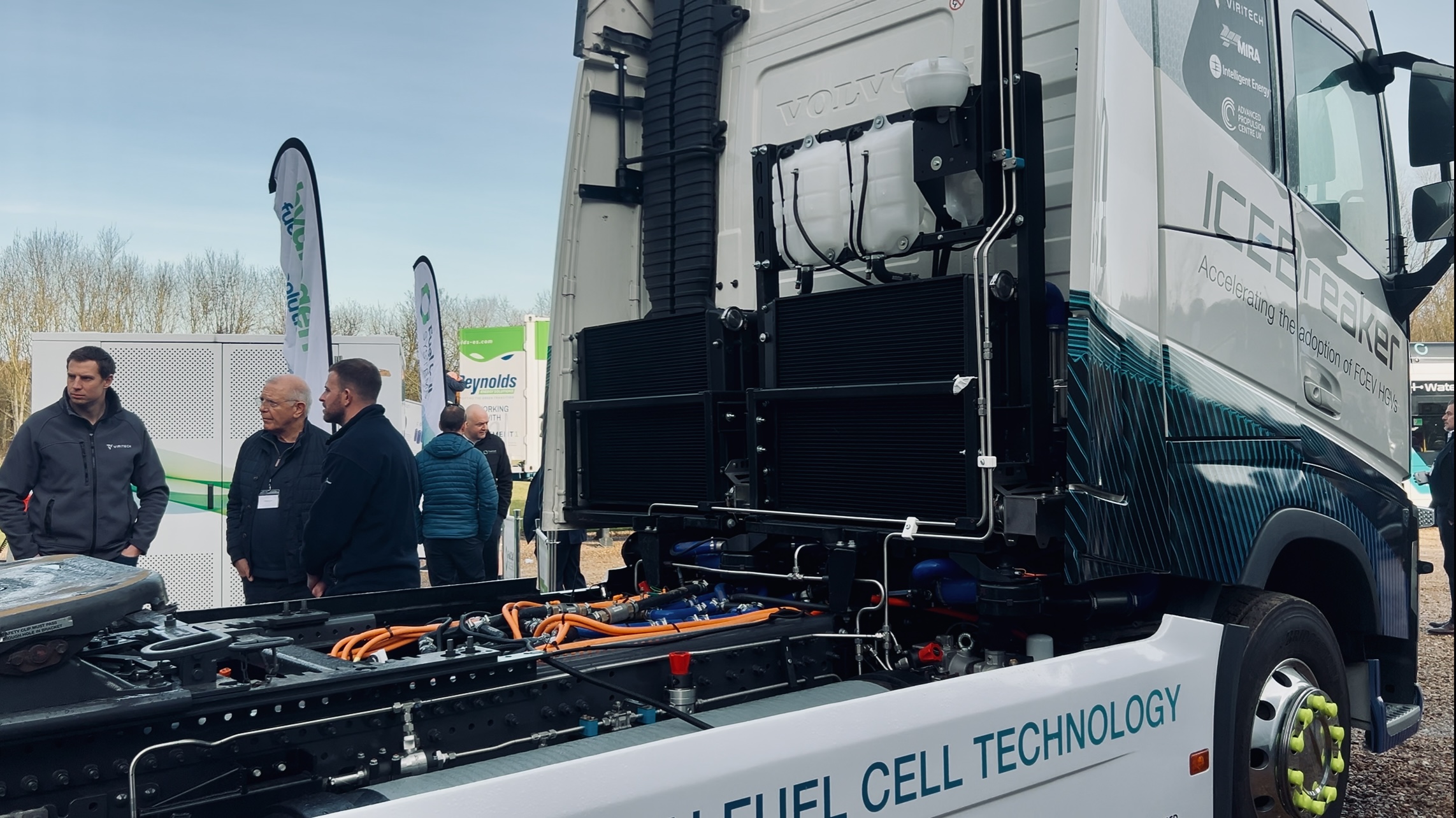
Image by Reece Hirst
Kyle Arnold, Managing Director, HyHaul Mobility
Richard Smith, RHA Managing Director, said: “We are concerned to hear that a project to increase hydrogen refuelling capacity along the M4 corridor ahead of wider roll out has been discontinued.
“HyHaul was set to deploy up to 30 hydrogen fuel cell electric trucks, supported by dedicated fleet hydrogen transport systems and three refuelling stations. It would have laid the foundation for a UK-wide network through the ZEHID programme and benefitted hard-to-decarbonise operations such as long distance and heavy haulage. It’s important that we understand the reasons why it has been discontinued.
“Its closure is a set-back to our sector’s efforts to step up decarbonisation when costs and a lack of infrastructure generally for zero-emission HGVs continue to hold back transition. If the sale of new diesel HGV phase out dates are to be met we need options to decarbonise that cater for all use cases. We remain committed to working with government, industry and stakeholders on solutions that will incentivise and ease the uptake of cleaner vehicles.”