

A major new parliamentary report has warned that the UK’s outdated and poorly regulated number plate system has triggered a rapidly escalating crisis—one that enables criminals to evade detection, allows dangerous drivers to escape penalties, poses serious road safety risks and drains millions in public funds.
The All-Party Parliamentary Group for Transport Safety (APPGTS) launched the report following a cross-party inquiry into the state of vehicle registration plates. The investigation was prompted by growing concern among MPs, enforcement bodies and safety experts who had identified rising abuse of the system.
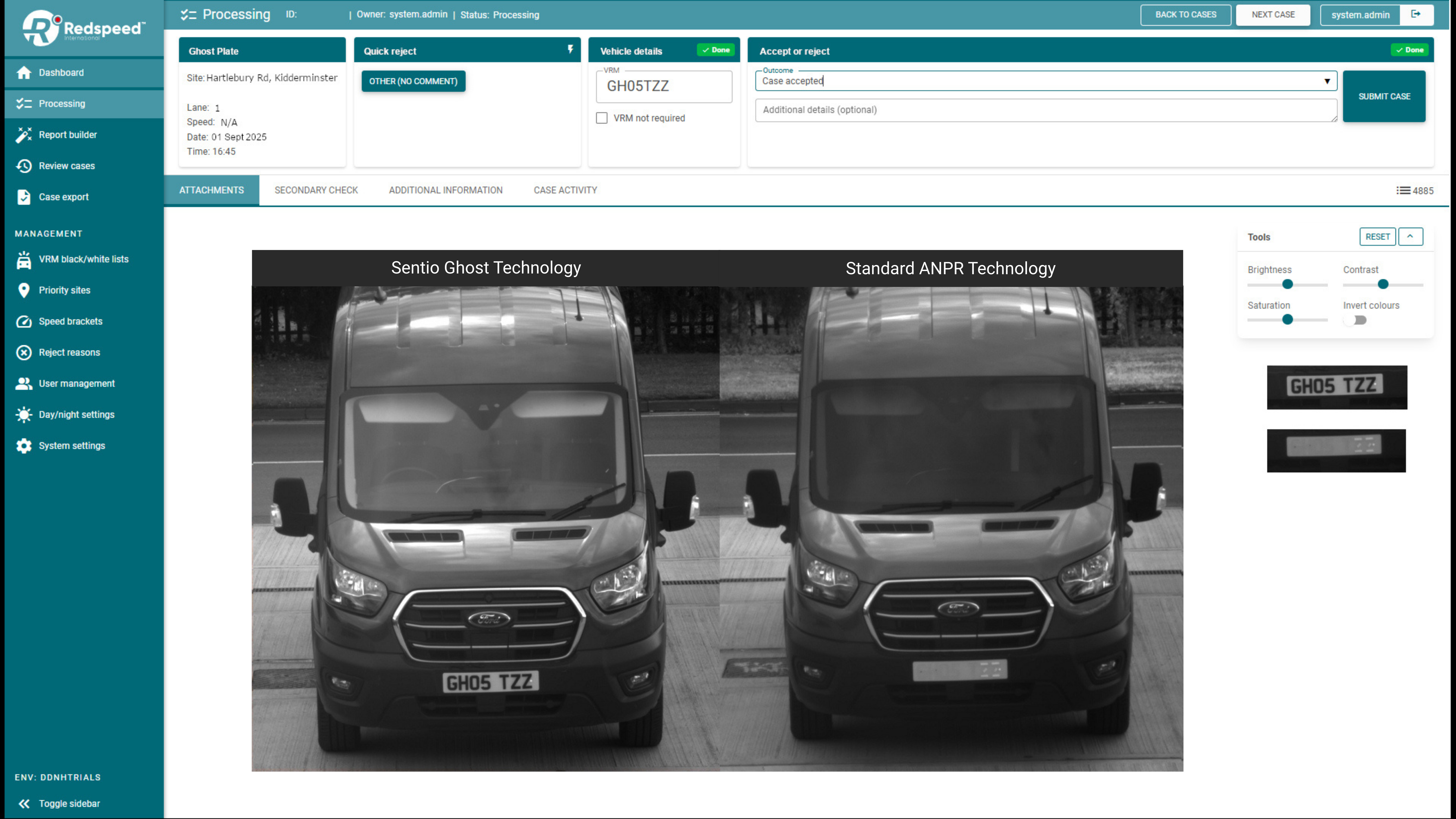
Image: Redspeed International
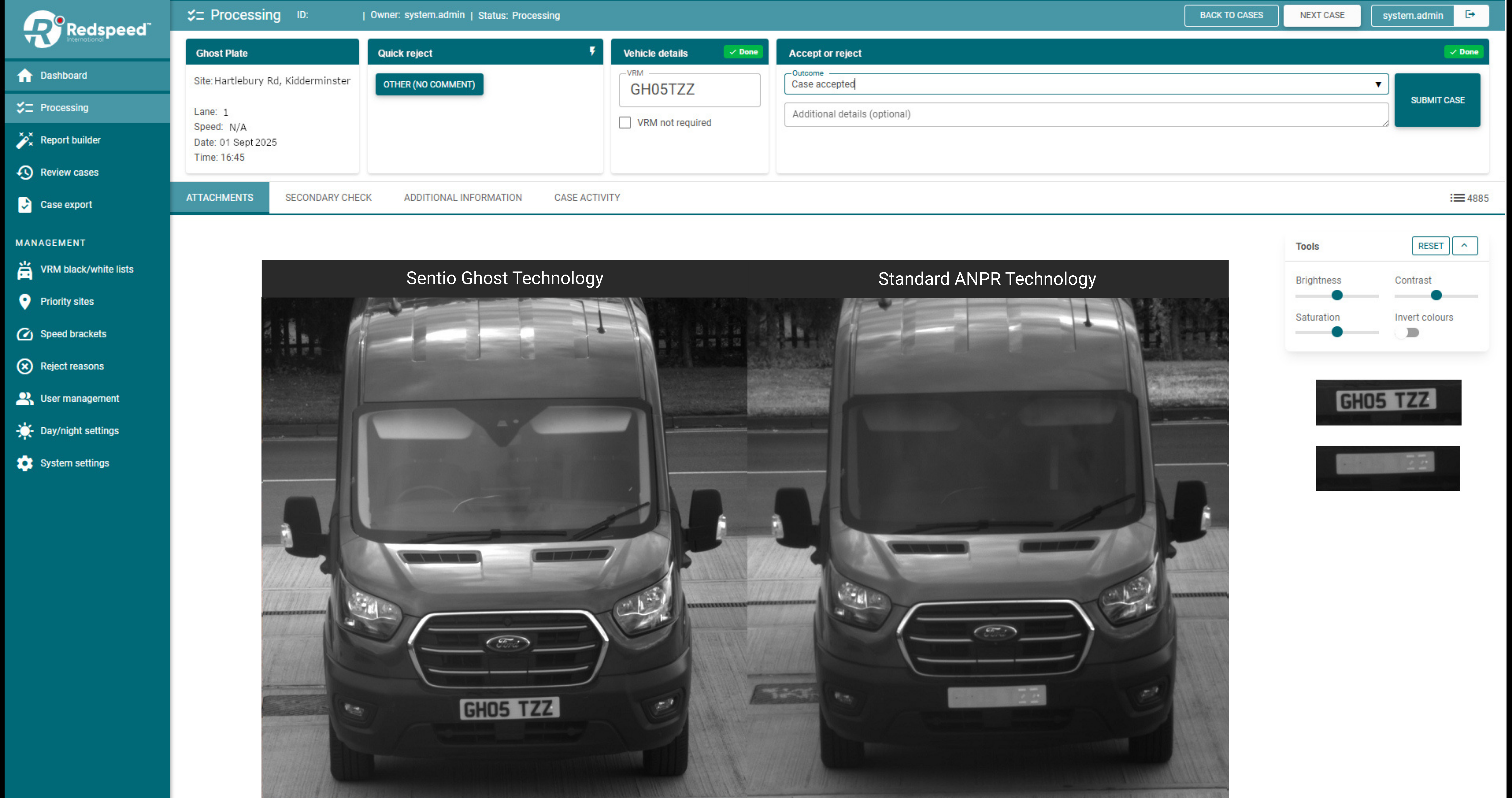
At the centre of the problem is the UK’s advanced Automatic Number Plate Recognition (ANPR) network, which captures around 90 million reads per day from more than 18,000 cameras. Despite its sophistication, the system is being fundamentally undermined by the ease with which non-compliant and ANPR-evasive plates can be produced and sold.
A Surge in Evasion and Criminal Exploitation
The report estimates that one in fifteen vehicles could be using modified, illegal or ANPR-defeating plates—including so-called ghost and stealth plates. Many are sold openly online by unregulated suppliers, enabling motorists to dodge road charges, tolls, congestion zones and enforcement fines.
However, the implications stretch far beyond civil penalties. The inquiry uncovered mounting evidence that criminals use ANPR-evasive plates to facilitate activities including rogue trading, drug distribution and organised crime such as human trafficking and people smuggling.
A Direct Threat to National Security
National Trading Standards provided stark testimony to the inquiry, warning:
“Ghost plates pose a serious threat to counter-terrorism operations. Vehicles with stealth plates can bypass surveillance systems around critical infrastructure such as airports, government buildings, and transport hubs. This creates vulnerabilities that could be exploited by terrorist groups planning vehicle-borne attacks.”
Given the scale of the issue, the report concludes that this is now a matter of clear national concern.
A Fragmented System with Over 34,000 Suppliers
The investigation highlights severe flaws in the number plate manufacturing ecosystem. More than 34,455 suppliers are registered with the DVLA, with many operating from private homes or makeshift workshops. Crucially, no background checks are required.
Some suppliers handling customers’ identification documents were found to have serious criminal convictions, including for fraud and violent offences.
Meanwhile, thousands of innocent motorists are being victimised through plate cloning. Many have been wrongly accused of offences, pursued for fines, or subjected to police investigations—leaving victims distressed, financially impacted and struggling to clear their names.
Public Safety and Victims at Risk
The widespread use of ghost, tampered and cloned plates also raises serious personal safety concerns. The report points to evidence that some taxi and private hire drivers are modifying plates to avoid drop-off charges and enforcement.
This has major implications for the safety of women, girls and vulnerable passengers, as untraceable vehicles cannot be easily linked to drivers.
In London, Transport for London (TfL) has taken a more aggressive enforcement stance. Of 1,000 vehicles checked using ghost plate-detection cameras, 41% of licensed taxis had non-compliant plates. Since expanding the camera network in July 2023, TfL has issued more than 4,200 fines. Further checks on 800 vehicles showed a reduced—but still alarming—38% non-compliance rate, indicating that enforcement can have a tangible impact.
A Call for Urgent, System-Wide Reform
The report concludes that the UK’s current registration plate system represents a “gaping hole” in national policing and security infrastructure—one that can be exploited with nothing more sophisticated than cellophane, leaves or a marker pen.
It calls for a comprehensive overhaul covering production, supply, usage and monitoring of plates. The APPGTS argues that self-funding solutions already exist, but reform must involve all relevant stakeholders.
Key Recommendations Include:
- Standardising plate design and introducing secure, tamper-resistant features to bring the UK in line with international standards; banning 3D and 4D plates.
- Dramatically reducing the number of licensed plate sellers through annual fees, regular audits and removal of non-compliant outlets.
- Increasing fines and adding penalty points for illegal plates, with the ability to seize vehicles from repeat offenders.
RAC Head of Policy Simon Williams said: “It’s clear from this report that urgent action must be taken to stop the widespread abuse of number plates, which has serious and far-reaching consequences for our society from road safety to national security. Ghost and cloned plates have no place on our roads as no one should be able to drive a vehicle that’s invisible to enforcement cameras or untraceable by the police.
It’s vital we introduce new, higher security standards for number plates and those who produce them.”
Sarah Coombes, MP for West Bromwich, added: “This explosive report lays bare the threat posed by ghost and cloned plates. It also makes clear how the whole system is failing. It’s totally wrong that people can commit terrible crimes and then set themselves up as number plate sellers with no questions asked. Those selling these illegal plates have gone under the radar for too long – but now they’ve been rumbled. I hope the government cracks down on them immediately.”
Motor Insurers’ Bureau Head of Uninsured Driving Prevention Martin Saunders said: “MIB exists to protect people from the devastation of uninsured and hit and run drivers. The increasing damage done by drivers of vehicles hiding in plain sight on our road system should not be tolerated.
There is an urgent need for a partnership approach to implement the recommendations made in this report to make our road system safer and ensure every vehicle is able to be quickly and readily identified by the number plate it exhibits.”
British Number Plate Manufacturers Association Chairman Michael Flanagan commented: “The BNMA fully supports the recommendations of the APPG. This report provides a valuable opportunity to strengthen compliance across our members’ customer base, ensuring that end consumers consistently receive a high-quality, fully compliant product.
The BNMA will support the proposed level of regulation during and after its implementation by providing compliant resources and enhancing its guidance to outlets, authorities, and the public, thereby safeguarding public safety through a secure and regulated supply system.”
The full report is available HERE